
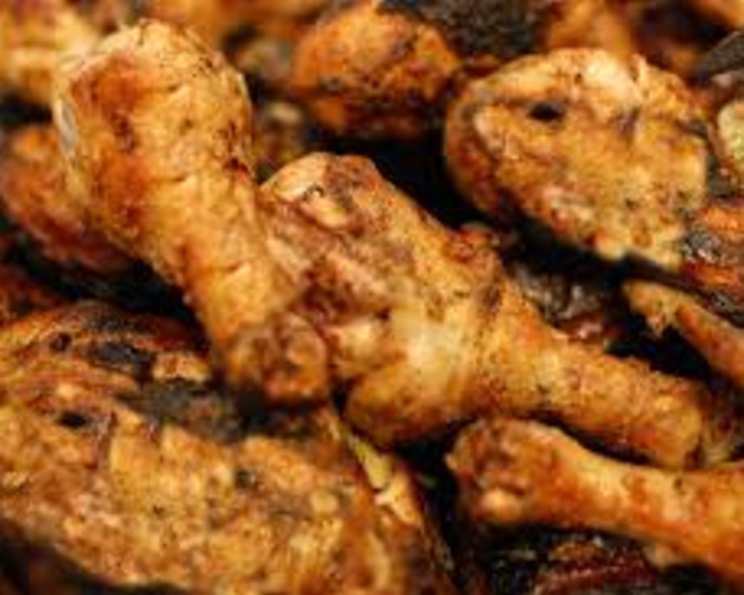
Cornell BBQ Chicken: A Finger-Lakes Favorite, Elevated
Growing up in the heart of Upstate New York, summer wasn’t summer without the smoky aroma of Cornell Chicken wafting from every backyard barbecue and roadside stand. I remember weekend trips to the Finger Lakes, the car windows down, the scent of grilling chicken mixing with the fresh lake air. This isn’t just a recipe; it’s a taste of home, a reminder of lazy afternoons and family gatherings. While the original is undeniably classic, I’ve tweaked it over the years to enhance the flavors I love most, creating a version that sings on the palate while still honoring its roots.
Recipe Overview
- Prep Time: 15 minutes
- Cook Time: 45 minutes
- Total Time: 9 hours
- Servings: 12
- Yield: 2 whole chickens
- Dietary Type: Gluten-Free
Ingredients
- 2 whole chickens, cut up into 4 to 6 pieces each
- 2 large whole eggs
- 2 cups olive oil or 2 cups canola oil
- 3 cups apple cider vinegar
- 1 cup lemon juice
- 6 tablespoons kosher salt or 6 tablespoons season salt
- 2 tablespoons poultry seasoning
- 2 teaspoons black pepper
- 2 tablespoons Italian seasoning
- 2 tablespoons granulated garlic or 2 tablespoons garlic powder
- 1 cup water
Equipment Needed
- Large bowl
- Whisk
- Gallon-sized plastic zipper bags or plastic marinating pan
- Grill or Oven
Instructions
- In a large bowl, combine the eggs and oil. Whisk until completely emulsified, ensuring the mixture is smooth and consistent. This step is crucial for creating a stable marinade that clings to the chicken.
- Add the apple cider vinegar, lemon juice, and water to the bowl. Whisk again until thoroughly combined. The vinegar and lemon juice provide the acidity that tenderizes the chicken and adds a distinctive tang.
- Add the remaining ingredients: kosher salt (or season salt), poultry seasoning, black pepper, Italian seasoning, and granulated garlic (or garlic powder). Whisk one last time until all the ingredients are completely incorporated. Let the marinade sit while you prepare the chicken. This allows the flavors to meld together.
- Cut the chickens into quarters. If the breasts are very large, cut those in half again to ensure even cooking. The goal is to have pieces that are manageable on the grill and cook at a similar rate.
- Place the chicken parts into gallon-sized plastic zipper bags, or a plastic marinating pan that will allow the marinade to cover the chicken completely.
- Cover the chicken with the marinade, ensuring that every piece is submerged. Seal the bags or cover the pan tightly.
- Allow the chicken to marinate for at least 4-5 hours in the refrigerator. Overnight is usually better, allowing the flavors to penetrate deeply into the meat.
- To Grill: It is best if you grill the chicken on a lower heat, like 350-375°F, either on direct gas flame or charcoal. You can also cook over indirect heat for most of the cook time and finish on direct heat to crisp the skin. This slow cooking method ensures that the chicken is cooked through without burning the outside.
- You could also cook the chicken in the oven at 365°F for 45 minutes and finish it with the broiler for 10 minutes to crisp the skin.
- Make sure the internal temperature of the chicken is over 180°F before serving. Use a meat thermometer to verify that the thickest part of the thigh reaches this temperature.
Expert Tips & Tricks
- Emulsification is key: Ensure the egg and oil are fully emulsified at the start. This prevents the marinade from separating and ensures even distribution of flavor.
- Don’t skip the marinating time: The longer the chicken marinates, the more flavorful and tender it will be. Overnight is ideal, but even 4-5 hours will make a difference.
- Control the heat: Whether grilling or broiling, watch the chicken carefully to prevent burning. The high sugar content in the marinade can cause it to caramelize quickly.
- Basting: While grilling, baste the chicken occasionally with extra marinade to keep it moist and flavorful. Be sure to stop basting towards the end to allow the skin to crisp up.
- Resting: Allow the chicken to rest for 10-15 minutes after cooking before serving. This allows the juices to redistribute, resulting in a more tender and flavorful final product.
Serving & Storage Suggestions
Cornell Chicken is best served hot off the grill, alongside classic barbecue sides like potato salad, coleslaw, and corn on the cob. Its tangy flavor pairs well with a crisp, dry white wine or a refreshing iced tea.
Leftovers can be stored in an airtight container in the refrigerator for up to 3-4 days. Reheat gently in the oven or microwave. While it’s best fresh, leftover Cornell Chicken is also delicious in sandwiches or salads.
Do not leave cooked chicken at room temperature for more than 2 hours. Bacteria grow rapidly at temperatures between 40°F and 140°F.
Nutritional Information
| Nutrient | Amount per Serving | % Daily Value |
|---|---|---|
| Calories | 836.7 kcal | N/A |
| Calories from Fat | 649 g | 78% |
| Total Fat | 72.2 g | 111% |
| Saturated Fat | 15.4 g | 76% |
| Cholesterol | 193.6 mg | 64% |
| Sodium | 3657.2 mg | 152% |
| Total Carbohydrate | 3.9 g | 1% |
| Dietary Fiber | 0.4 g | 1% |
| Sugars | 0.8 g | 3% |
| Protein | 39.7 g | 79% |
Note: Nutritional information is an estimate and may vary based on specific ingredients and cooking methods.
Variations & Substitutions
- Spice it up: Add a pinch of cayenne pepper or a dash of hot sauce to the marinade for a little extra kick.
- Herb variations: Experiment with different herbs in the marinade. Fresh rosemary, thyme, or oregano would all be delicious additions.
- Sweetener: A touch of honey or maple syrup can balance the acidity of the marinade.
- Vinegar swap: If you don’t have apple cider vinegar, white wine vinegar or rice vinegar can be used as a substitute.
- Citrus: Try using a combination of lemon and orange juice for a slightly sweeter, more complex flavor.
FAQs (Frequently Asked Questions)
Q: Can I use boneless, skinless chicken breasts for this recipe?
A: While the recipe is designed for bone-in chicken, you can use boneless, skinless breasts. Reduce the cooking time to prevent them from drying out.
Q: How long can I store the marinade in the refrigerator?
A: The marinade can be stored in an airtight container in the refrigerator for up to 3 days.
Q: Can I freeze the marinated chicken?
A: Yes, you can freeze the marinated chicken for up to 3 months. Thaw it in the refrigerator overnight before cooking.
Q: What if I don’t have a grill?
A: No problem! You can cook the chicken in the oven or under the broiler. Just adjust the cooking time as needed.
Q: The marinade seems very thin. Is that normal?
A: Yes, the marinade is intentionally thin. This allows it to penetrate the chicken thoroughly and keep it moist during cooking.
Final Thoughts
Cornell Chicken is more than just a recipe; it’s a tradition. I encourage you to try this updated version and experience the taste of Upstate New York for yourself. Don’t be afraid to experiment with the flavors and make it your own. Share your creations and feedback, and let’s keep this classic alive for generations to come. Pair it with a local craft beer for the ultimate Finger Lakes experience!