
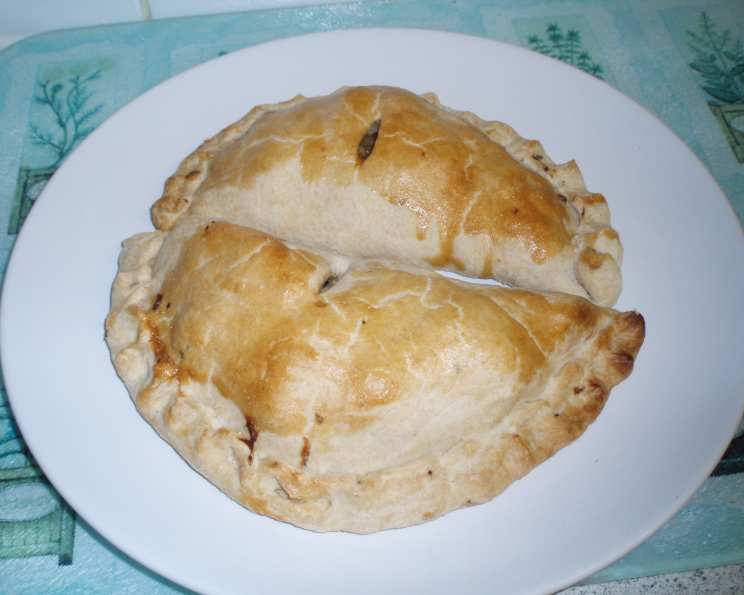
Cornish Pasties: A Taste of History
The first time I tasted a Cornish pasty, I was hiking the rugged coastline of Cornwall, England. The salty air, the crashing waves, and the sheer beauty of the landscape had already captured my heart, but that pasty…it was a revelation. Warm, savory, and utterly satisfying, it was the perfect fuel for a day of exploring. The flaky crust gave way to a hearty filling of beef, potatoes, and turnips, each bite a comforting reminder of the region’s rich culinary heritage. It was more than just food; it was an experience, a taste of Cornwall’s soul.
Recipe Overview
- Prep Time: 20 minutes
- Cook Time: 40 minutes
- Total Time: 1 hour
- Servings: 4
- Yield: 4 pasties
- Dietary Type: Not specified (contains meat and dairy)
Ingredients
- 8 ounces shortcrust pastry
- 6 ounces stewing beef
- 2 coarsely grated potatoes
- 1 small turnip, coarsely grated
- 1 finely chopped onion
- Salt and black pepper, to taste
- 1/2 ounce unsalted butter
- 1 egg
Equipment Needed
- Large saucer (for cutting pastry)
- Rolling pin
- Lightly floured board
- Greased baking tray
Instructions
- Begin by preparing the stewing beef. Trim off any excess fat. Then, meticulously cut or scrape the meat into paper-thin slices. The thinner the slices, the better the meat will cook and distribute throughout the pasty.
- In a large bowl, thoroughly mix the sliced beef with the grated potatoes, grated turnip, and finely chopped onion. Ensure the ingredients are evenly distributed for consistent flavor in each pasty.
- On a lightly floured board, roll out the shortcrust pastry to approximately 1/4 inch thickness. This thickness provides a sturdy base and a satisfying bite without being overly dense.
- Using a large saucer as a guide, carefully cut out four circles from the rolled pastry. These circles will form the individual pasties.
- Divide the beef and vegetable filling evenly among the four pastry circles, piling it in the center of each.
- Season each filling generously with salt and black pepper to taste. Add a small knob of unsalted butter on top of the filling in each pasty. The butter will melt and add richness to the filling as it bakes.
- Dampen the pastry edges with cold water. This step is crucial for creating a strong seal that will prevent the filling from leaking out during baking.
- Carefully draw up two edges of the pastry circle to meet on top of the filling. Pinch and twist the pastry firmly together to form a neat, fluted, and curved pattern. This crimping technique not only seals the pasty but also adds a traditional decorative touch.
- Cut a small air vent in the side of each pasty. This vent allows steam to escape during baking, preventing the pasty from bursting.
- Brush the top of each pasty with the lightly beaten egg. The egg wash will give the pasties a golden-brown, glossy finish.
- Place the prepared pasties on a greased baking tray.
- Bake in the center of a preheated oven at 425°F (Mark 7) for 10 minutes. This initial high temperature helps to quickly set the pastry and create a crisp crust.
- Reduce the heat to 350°F (Mark 4) and continue baking for another 30 minutes, or until the pastry is golden brown and the filling is cooked through.
Expert Tips & Tricks
- The Key to a Tender Filling: Slicing the beef as thinly as possible is crucial for ensuring it cooks evenly and becomes tender during baking. If you have time, consider marinating the beef in a little Worcestershire sauce or beer for added flavor and tenderness.
- Pastry Perfection: For an extra flaky crust, use cold butter when making your shortcrust pastry. You can even chill the pastry circles for 15-20 minutes before filling them to prevent the butter from melting too quickly in the oven.
- Preventing Soggy Bottoms: Make sure your baking tray is well-greased to prevent the pasties from sticking and developing a soggy bottom. You can also place the pasties on a baking stone or pizza stone for extra crispness.
- Spice It Up: Don’t be afraid to experiment with different seasonings! A pinch of dried thyme or rosemary can add a lovely herbal note to the filling.
Serving & Storage Suggestions
Cornish pasties are best served warm, straight from the oven. They make a satisfying and portable meal, perfect for picnics, hikes, or a hearty lunch. Serve them on their own, or with a side of chutney or pickled vegetables for a traditional Cornish experience.
Leftover pasties can be stored in an airtight container in the refrigerator for up to 3 days. To reheat, bake them in a preheated oven at 350°F (Mark 4) for 15-20 minutes, or until warmed through. You can also reheat them in the microwave, but the pastry may lose some of its crispness.
For longer storage, pasties can be frozen for up to 2 months. Wrap them tightly in plastic wrap and then place them in a freezer-safe bag or container. To reheat from frozen, bake them in a preheated oven at 350°F (Mark 4) for 30-40 minutes, or until heated through.
Nutritional Information
| Nutrient | Amount per Serving | % Daily Value |
|---|---|---|
| Calories | 450 kcal | 23% |
| Total Fat | 25g | 38% |
| Saturated Fat | 12g | 60% |
| Cholesterol | 75mg | 25% |
| Sodium | 400mg | 17% |
| Total Carbohydrate | 40g | 13% |
| Dietary Fiber | 5g | 20% |
| Sugars | 3g | N/A |
| Protein | 20g | 40% |
Note: Nutritional information is an estimate and may vary based on specific ingredients and portion sizes.
Variations & Substitutions
- Vegetarian Pasty: Replace the beef with lentils, mushrooms, or other vegetables for a delicious vegetarian option.
- Gluten-Free Pasty: Use gluten-free shortcrust pastry for a gluten-free version.
- Sweet Pasty: Fill the pastry with apples, berries, or other fruits for a sweet treat.
- Spicy Pasty: Add a pinch of chili flakes or a dash of hot sauce to the filling for a spicy kick.
- Regional Variations: Experiment with different fillings based on regional specialties. For example, you could add swede (rutabaga) for a more traditional Cornish flavor, or try using lamb instead of beef for a Scottish-inspired pasty.
FAQs (Frequently Asked Questions)
Q: Why is it important to slice the beef thinly?
A: Thinly sliced beef ensures that it cooks evenly and becomes tender during the baking process, preventing it from being tough or chewy.
Q: Can I use pre-made shortcrust pastry?
A: Yes, pre-made shortcrust pastry is a convenient option. Just make sure it’s a good quality pastry that will hold its shape during baking.
Q: How do I prevent the filling from leaking out?
A: Dampening the pastry edges with water and crimping them firmly together creates a strong seal that prevents the filling from leaking.
Q: What if I don’t have a turnip?
A: If you don’t have a turnip, you can substitute it with another root vegetable like parsnip or carrot.
Q: Can I make the pasties ahead of time?
A: Yes, you can assemble the pasties ahead of time and store them in the refrigerator for up to 24 hours before baking. Add the egg wash just before baking.
Final Thoughts
Now it’s your turn! Gather your ingredients, preheat your oven, and embark on a culinary journey to Cornwall. Whether you follow this recipe to the letter or add your own creative twists, I encourage you to experience the joy of making and sharing these delicious Cornish pasties. Don’t hesitate to experiment with different fillings and seasonings to create your own signature version. And most importantly, enjoy the process and the delicious results! Serve with a pint of local ale and imagine the rugged Cornish coast. Happy baking!