
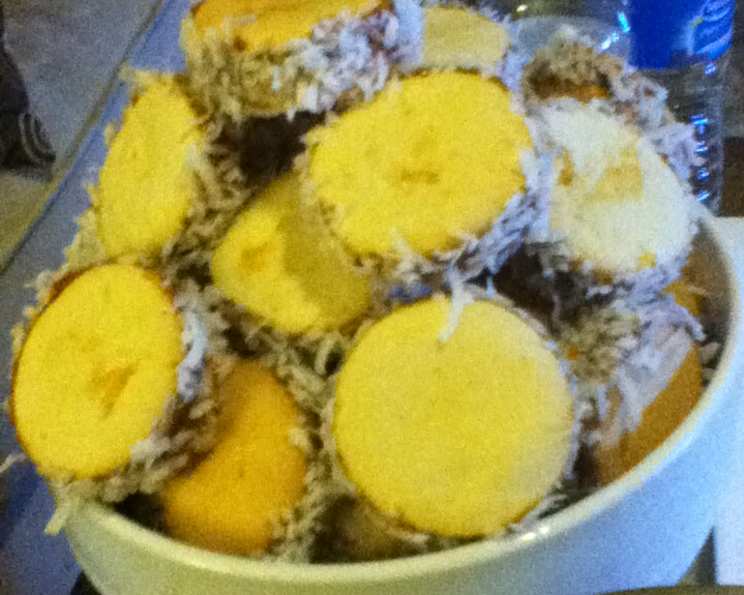
Cornstarch Alfajores With Dulce De Leche: A Taste of Argentina
The scent of warm butter cookies, dusted with powdered sugar and filled with the most decadent caramel, always transports me back to a tiny bakery I stumbled upon during a backpacking trip through South America. Sunlight streamed through the window, illuminating rows of these delicate little sandwiches – alfajores. It was my first taste, and I was hooked. Argentina had captured my heart, one sweet, melt-in-your-mouth bite at a time. Now, I’m so excited to share this classic recipe with you!
Recipe Overview
- Prep Time: 45 minutes
- Cook Time: 20-25 minutes
- Total Time: 2 hours 25 minutes
- Servings: 12
- Yield: 24 alfajores
- Dietary Type: Not Gluten-Free
Ingredients
- 2 cups cornstarch
- ¾ cup wheat flour
- ¼ lb (113g) butter, at room temperature
- 5 eggs
- 2 cups powdered sugar
- 2 tablespoons grated coconut, for decoration
- 1 teaspoon vanilla extract
- ¼ cup of your favorite liqueur (such as rum or brandy)
- 1 teaspoon baking powder
- Dulce de leche (recipe follows, or store-bought)
For Homemade Dulce de Leche:
- 4 quarts (3.8 liters) milk
- 2 lbs (907g) sugar
Equipment Needed
- Whisk
- Sifter
- Rolling pin
- Cookie cutter (1 ½ inch diameter)
- Baking sheets
- Parchment paper (optional)
- Thick-bottomed pot
Instructions
-
Prepare the Egg Mixture: In a large bowl, beat 4 eggs with a whisk for about 5 minutes. Gradually add the powdered sugar, continuing to beat until the mixture is light and creamy. Set this mixture aside.
-
Combine Dry Ingredients: In a separate bowl, sift together the cornstarch, wheat flour, and baking powder. This ensures that the baking powder is evenly distributed and that the alfajores will have a delicate texture.
-
Form the Dough: On a clean, flat surface (like a countertop or large cutting board), pour the sifted dry ingredients. Create a well in the center of the mound.
-
Add Wet Ingredients: Into the well, place the softened butter, vanilla extract, liqueur, and the egg and sugar cream.
-
Knead the Dough: Using your hands, gently work the ingredients together until a firm, smooth dough forms. Be careful not to overwork the dough, as this can develop the gluten in the wheat flour and make the alfajores tough.
-
Roll and Cut: Lightly flour a clean surface. Roll out the dough with a rolling pin to a thickness of approximately 1/4 inch. Use a 1 ½ inch diameter cookie cutter to cut out discs from the dough.
-
Bake the Alfajores: Grease and flour a cookie sheet (or line with parchment paper). Carefully place the dough discs onto the prepared cookie sheet, leaving a small space between each one. Bake in a preheated oven at medium heat (350°F or 175°C) for 20 to 25 minutes, or until they are lightly golden around the edges. Keep a close eye on them, as they can burn easily.
-
Cool the Cookies: Remove the baked alfajores from the oven and transfer them to a wire rack to cool completely.
-
Assemble the Alfajores: Once the cookies are completely cool, it’s time to assemble! Spread a generous ¼-inch layer of dulce de leche over the flat side of one disc. Top with another disc, creating a sandwich.
-
Decorate: Paint the edge of the alfajor with a little more dulce de leche. Then, roll the edge in the grated coconut so that it sticks to the dulce de leche.
Homemade Dulce de Leche:
-
Caramelize the Initial Sugar: In a thick-bottomed pot, heat 8 tablespoons of sugar over medium heat for approximately 20 minutes, or until the sugar melts and turns into a rich caramel color. Be careful not to burn the sugar.
-
Add Milk and Remaining Sugar: Carefully add the milk and the remaining sugar to the caramelized sugar. The mixture will bubble and steam, so be cautious.
-
Simmer and Thicken: Bring the mixture to a boiling point, then immediately reduce the heat to low and simmer gently, stirring occasionally, until the dulce de leche thickens to a spreadable consistency. This will take approximately one hour. The color should deepen to a rich, golden brown.
Easy Dulce de Leche Version:
-
Boil Canned Condensed Milk: Place an unopened can of sweetened condensed milk in a large saucepan filled with water, ensuring the can is completely submerged.
-
Simmer: Bring the water to a boil, then reduce the heat to a simmer and cook for 2 hours, maintaining the water level throughout.
-
Cool and Open: Carefully remove the can from the water and let it cool completely before opening. The contents should now be a rich caramel color.
Expert Tips & Tricks
- For a more tender alfajor, use superfine sugar instead of regular powdered sugar.
- If the dough is too sticky to roll out, wrap it in plastic wrap and chill it in the refrigerator for 30 minutes before rolling.
- Don’t overbake the cookies! They should be pale golden brown, not dark brown. Overbaking will result in dry, crumbly alfajores.
- For a smoother dulce de leche, use an immersion blender to blend the homemade version after it has cooled slightly.
- The easy dulce de leche version can sometimes result in a thicker dulce de leche. If it’s too thick, whisk in a tablespoon or two of milk to reach the desired consistency.
Serving & Storage Suggestions
Serve alfajores at room temperature. They are perfect with a cup of coffee, tea, or mate. Store assembled alfajores in an airtight container at room temperature for up to 3 days. You can also store the cookies separately from the dulce de leche for up to a week, and assemble them just before serving.
Alfajores can be frozen for up to 2 months. Wrap them individually in plastic wrap and then place them in a freezer-safe container. Thaw at room temperature before serving. The texture of the dulce de leche may change slightly after freezing.
Nutritional Information
| Nutrient | Amount per Serving | % Daily Value |
|---|---|---|
| Calories | 794 kcal | N/A |
| Calories from Fat | 204 g | 26% |
| Total Fat | 22.7 g | 34% |
| Saturated Fat | 13.7 g | 68% |
| Cholesterol | 154 mg | 51% |
| Sodium | 276.4 mg | 11% |
| Total Carbohydrate | 136.2 g | 45% |
| Dietary Fiber | 1.3 g | 5% |
| Sugars | 95.5 g | 381% |
| Protein | 14.6 g | 29% |
Note: Nutritional information is an estimate and may vary based on specific ingredients and preparation methods.
Variations & Substitutions
- Gluten-Free: Substitute the wheat flour with a gluten-free all-purpose flour blend. Be sure to check that the blend contains xanthan gum or another binder to help hold the cookies together.
- Different Flavors: Experiment with different liqueurs in the dough, such as almond or coffee liqueur.
- Coatings: Instead of grated coconut, try rolling the edges in chopped nuts, sprinkles, or even powdered sugar.
- Fillings: While dulce de leche is traditional, you can also use other fillings, such as chocolate ganache, fruit jam, or peanut butter.
FAQs (Frequently Asked Questions)
Q: Why is cornstarch the primary flour in this recipe?
A: Cornstarch gives these alfajores their signature melt-in-your-mouth texture. It provides a delicate crumb that is different from cookies made with only wheat flour.
Q: Can I use salted butter instead of unsalted?
A: Yes, but reduce the amount of salt you add to the dough, if any. Salted butter can sometimes make the cookies taste too salty.
Q: My dulce de leche is too thick. What can I do?
A: Whisk in a tablespoon or two of milk or cream until you reach your desired consistency.
Q: Can I make the dough ahead of time?
A: Yes, you can make the dough up to 2 days in advance. Wrap it tightly in plastic wrap and store it in the refrigerator. Let it come to room temperature slightly before rolling out.
Q: My alfajores are spreading too much in the oven. What am I doing wrong?
A: The butter might be too soft. Chill the dough for 30 minutes before baking to help it hold its shape.
Final Thoughts
These cornstarch alfajores are more than just cookies; they’re a little taste of Argentina, a sweet memory waiting to be made. Don’t be intimidated by the steps involved – the end result is well worth the effort. So gather your ingredients, preheat your oven, and embark on this culinary adventure. I can’t wait to hear how yours turn out! Maybe pair them with a glass of Malbec for the ultimate Argentine experience.