
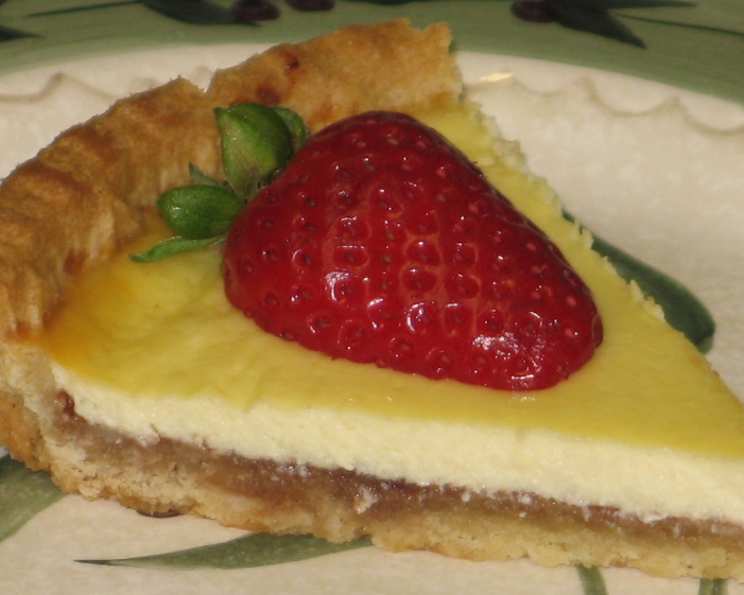
Cottage Cheese Cheesecake: Guilt-Free Indulgence
I remember the first time I tried a “healthy” cheesecake. My grandmother, bless her heart, was always experimenting with sugar substitutes and low-fat ingredients. It wasn’t always a success, but her cottage cheese cheesecake? That was a revelation. The tangy sweetness, the creamy texture that surprisingly resembled the real thing, and the bright burst of fresh strawberries – it was a dessert I genuinely looked forward to, even as a kid with a notorious sweet tooth. This recipe reminds me of those happy afternoons in her kitchen, and proves that you don’t have to sacrifice flavor for a lighter treat.
Recipe Overview
- Prep Time: 15 minutes
- Cook Time: 30-40 minutes
- Total Time: 45-55 minutes
- Servings: 5-6
- Yield: 1 (7-inch) cheesecake
- Dietary Type: Lower-Fat, Lower-Sugar
Ingredients
- ¾ cup cottage cheese
- ⅔ cup low-fat plain yogurt
- 1 tablespoon flour
- 2 teaspoons Splenda sugar substitute
- ¼ teaspoon salt
- 1 egg
- 1 egg white
- ½ lemon juice
- 2 cups strawberries, chopped
Equipment Needed
- 7-inch round cake pan
- Parchment paper
- Food processor
- Whisk
- Mixing bowl
Instructions
- Prepare the Pan: Grease and line a 7-inch round cake pan with parchment paper. This is crucial to prevent sticking and ensures easy removal of the cheesecake. Make sure the parchment paper extends a bit over the edges to create “handles” for lifting.
- Preheat the Oven: Preheat oven to 350°F (175°C). Ensure your oven is properly preheated for even baking. An oven thermometer is a good investment to ensure accuracy.
- Smooth the Cottage Cheese: In a food processor, whiz cottage cheese until smooth. This step is essential for achieving a creamy cheesecake texture. Pulse until there are no more lumps.
- Combine Wet and Dry Ingredients: In a mixing bowl, whisk together the pureed cottage cheese, yogurt, flour, Splenda, and salt until well combined. Make sure there are no flour clumps.
- Add the Eggs: Add the egg and egg white to the mixture and whisk until well combined. Don’t overmix at this stage; just ensure everything is incorporated.
- Flavor and Fruit: Add lemon juice and chopped strawberries and stir well. The lemon juice brightens the flavor, and the strawberries add a touch of natural sweetness and texture. Make sure the strawberries are evenly distributed throughout the batter.
- Pour and Bake: Pour batter into the prepared tin and bake for 30-40 minutes, until just set. The cheesecake is ready when the edges are set, but the center still has a slight jiggle.
- Cool Down: Let cool for at least 30 minutes before serving. Cooling allows the cheesecake to firm up and the flavors to meld.
- Serve: Serve hot or chilled.
Expert Tips & Tricks
- Prevent Cracking: To minimize cracking, consider baking the cheesecake in a water bath. Wrap the bottom of the cake pan in aluminum foil and place it in a larger pan. Fill the larger pan with hot water to come about halfway up the sides of the cake pan. This creates a more humid environment in the oven, which helps prevent cracking.
- Sweetness Adjustment: Adjust the amount of Splenda (or your preferred sugar substitute) to your liking. Taste the batter before baking and add more if needed.
- Flavor Infusion: For a deeper lemon flavor, add a teaspoon of lemon zest to the batter along with the lemon juice.
- Berry Variations: Feel free to experiment with other berries, such as blueberries, raspberries, or blackberries. You can even use a mix of berries.
- Check for Doneness: If you’re unsure whether the cheesecake is done, gently tap the side of the pan. The center should jiggle slightly but not be liquidy. You can also insert a toothpick into the center; it should come out with moist crumbs attached.
- Patience is Key: Don’t be tempted to cut into the cheesecake while it’s still warm. Allowing it to cool completely, and even chilling it in the refrigerator for a few hours, will improve the texture and flavor.
Serving & Storage Suggestions
Serve this cottage cheese cheesecake as a light and refreshing dessert. It’s delicious on its own, or you can garnish it with additional fresh strawberries or a dollop of yogurt. For a more decadent presentation, drizzle with a small amount of sugar-free chocolate syrup.
- Room Temperature: The cheesecake can sit at room temperature for up to 2 hours.
- Refrigeration: Store leftovers in an airtight container in the refrigerator for up to 3 days.
- Freezing: For longer storage, freeze the cheesecake (well wrapped) for up to 1 month. Thaw in the refrigerator overnight before serving. Note that freezing may slightly alter the texture.
- Reheating: If you prefer to serve it warm, you can gently reheat slices in the microwave for a few seconds.
Nutritional Information
(Estimated per serving)
| Nutrient | Amount per Serving | % Daily Value |
|---|---|---|
| Calories | 110 kcal | 5% |
| Total Fat | 3g | 4% |
| Saturated Fat | 1g | 5% |
| Cholesterol | 45mg | 15% |
| Sodium | 280mg | 12% |
| Total Carbohydrate | 10g | 4% |
| Dietary Fiber | 1g | 4% |
| Sugars | 7g | – |
| Protein | 8g | 16% |
Note: Nutritional information is an estimate and may vary based on specific ingredients and portion sizes.
Variations & Substitutions
- Crustless Option: This recipe is already crustless, making it naturally lower in carbohydrates.
- Flavor Extracts: Experiment with different flavor extracts, such as vanilla, almond, or orange. Add a teaspoon of extract to the batter.
- Sugar Substitutes: You can use other sugar substitutes like stevia or erythritol in place of Splenda. Adjust the amount according to the product’s sweetness level.
- Dairy-Free Adaptation: While the base relies on dairy, exploring lactose-free cottage cheese and yogurt alternatives may offer options for those with sensitivities. The texture and flavor may change slightly.
- Citrus Twist: Instead of lemon juice, try lime or orange juice for a different citrusy flavor.
- Chocolate Swirl: Before baking, swirl a small amount of melted sugar-free dark chocolate into the batter for a decadent touch.
FAQs (Frequently Asked Questions)
Q: Can I use full-fat cottage cheese?
A: Yes, you can, but it will increase the fat content of the cheesecake. The recipe is designed to be a lighter option, so using low-fat cottage cheese is recommended.
Q: Can I make this recipe ahead of time?
A: Absolutely! In fact, it’s even better if you make it a day ahead of time and let it chill in the refrigerator. This allows the flavors to meld and the cheesecake to set completely.
Q: The cheesecake cracked on top. What did I do wrong?
A: Cracking can occur if the cheesecake is baked at too high a temperature or if it cools too quickly. Try using a water bath to prevent cracking, and let the cheesecake cool gradually in the oven with the door slightly ajar.
Q: Can I use frozen strawberries?
A: Yes, you can use frozen strawberries, but make sure to thaw them completely and drain off any excess liquid before adding them to the batter. Otherwise, the cheesecake may be too watery.
Q: Is Splenda really a good choice?
A: Splenda is used here as a lower-calorie sweetener option. If you prefer to use other sweeteners (like honey, maple syrup, or regular sugar), you certainly can but know that it will change the overall nutritional profile of the recipe.
Final Thoughts
This cottage cheese cheesecake is a testament to the fact that healthy eating doesn’t have to be boring. It’s a delightful and guilt-free treat that’s perfect for satisfying your sweet cravings without derailing your health goals. I encourage you to try this recipe and experiment with different variations to create your own signature cheesecake. Don’t be afraid to get creative with flavors and toppings. I’d love to hear your feedback and any modifications you make! Enjoy!