
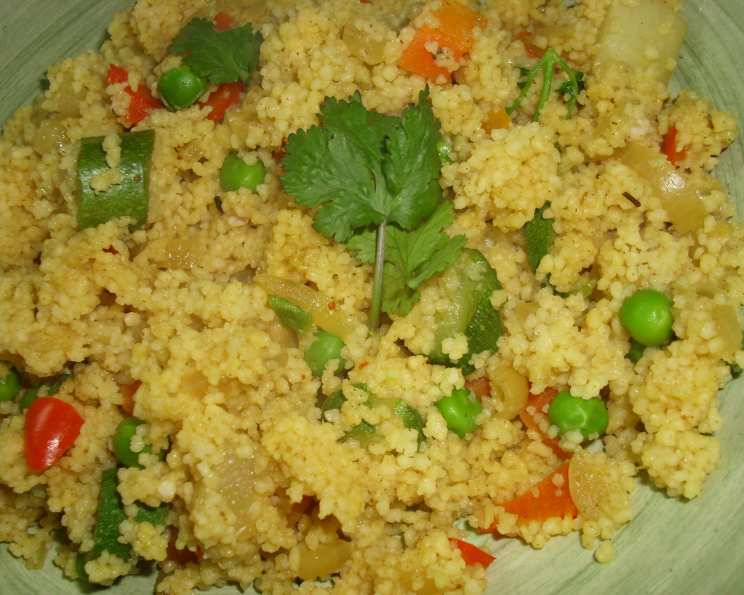
Couscous With Seven Vegetables: A Lucky Feast
The first time I tasted couscous with seven vegetables, I was backpacking through Morocco. The aroma alone, a heady blend of spices and earthy vegetables simmering in broth, drew me into a bustling Marrakech souk. An old woman, her face etched with wrinkles that spoke of years spent perfecting her craft, ladled a generous portion into a bowl. Each spoonful was an explosion of textures and flavors – the delicate couscous, the tender vegetables, and the subtle warmth of the spices. That simple meal, shared under the warm Moroccan sun, remains one of my most cherished culinary memories. It’s a dish that embodies comfort, nourishment, and a touch of exoticism.
Recipe Overview
- Prep Time: 15 minutes
- Cook Time: 15 minutes
- Total Time: 30 minutes
- Servings: 6
- Dietary Type: Vegetarian (easily made vegan with vegetable stock)
Ingredients
- 2 ½ cups chicken stock or vegetable stock
- ½ teaspoon ground cumin
- ¼ teaspoon paprika
- ¼ teaspoon ground black pepper
- ¼ teaspoon cinnamon
- ½ teaspoon turmeric
- ½ cup chopped red onion
- ¼ cup diced carrot
- ½ cup diced turnip
- ½ cup diced red pepper
- ½ cup diced zucchini
- 2 cups couscous
- ½ cup fresh peas or ½ cup frozen peas
- Salt to taste
- 3 tablespoons chopped fresh coriander
Equipment Needed
- Medium-sized pot
- Measuring cups and spoons
- Cutting board
- Knife
- Fork
Instructions
- Begin by heating the chicken stock (or vegetable stock) in a medium-sized pot over medium heat. The stock will form the flavorful base of your couscous, so choose a high-quality stock for the best results.
- Add the aromatic spices: cumin, paprika, black pepper, cinnamon, and turmeric. Simmer these spices together in the stock for 2 minutes. This step is crucial as it allows the spices to bloom, releasing their full potential and infusing the stock with their rich flavors. Be careful not to burn the spices.
- Introduce the heart of the dish – the vegetables. Add the chopped red onion, diced carrot, diced turnip, diced red pepper, peas, and diced zucchini to the simmering stock.
- Simmer the vegetables for 5 to 7 minutes, or until they are softened but still retain a slight bite. The cooking time will depend on the size of your dice. You want them tender but not mushy. Stir occasionally to ensure even cooking.
- Turn the heat to high and bring the vegetable stock to a boil.
- Stir in the couscous. Ensure the couscous is evenly distributed in the boiling stock.
- Cover the pot tightly and immediately remove it from the heat. It’s important to remove it from the heat to prevent the couscous from becoming overcooked and mushy.
- Let the covered pot stand for 5 minutes. This allows the couscous to absorb all the flavorful stock and steam to perfection. Do not lift the lid during this time!
- Uncover the pot and fluff the couscous gently with a fork. This will separate the grains and prevent them from clumping together, resulting in a light and airy texture.
- Season the couscous with salt to taste. Start with a small amount and adjust as needed, remembering that the stock may already contain some salt.
- Sprinkle the chopped fresh coriander over the couscous. The fresh coriander adds a bright, herbaceous note that complements the warm spices and earthy vegetables.
Expert Tips & Tricks
- For a richer flavor, toast the spices in a dry pan for a minute or two before adding them to the stock. This will intensify their aroma and deepen their flavor profile.
- Don’t overcook the vegetables! They should be tender but still have a slight bite. Overcooked vegetables will become mushy and detract from the overall texture of the dish.
- If you prefer a spicier dish, add a pinch of cayenne pepper or a finely chopped chili pepper along with the other spices.
- To make this dish vegan, ensure you use vegetable stock.
- If you don’t have fresh coriander, you can use chopped parsley as a substitute, but the flavor will be slightly different.
- You can prepare the vegetables ahead of time and store them in the refrigerator until you’re ready to cook the couscous.
Serving & Storage Suggestions
Serve the couscous immediately while it’s still warm and fluffy. It makes a delicious side dish to grilled meats, fish, or roasted vegetables. It’s also wonderful served as a light lunch or vegetarian main course.
Leftover couscous can be stored in an airtight container in the refrigerator for up to 3 days. Reheat gently in a saucepan over low heat, adding a splash of stock or water to prevent it from drying out. You can also reheat it in the microwave, but be careful not to overcook it.
Couscous can be frozen, but the texture may change slightly upon thawing. To freeze, spread the couscous in a single layer on a baking sheet and freeze until solid. Then transfer it to a freezer-safe bag or container. It can be stored in the freezer for up to 2 months. Thaw overnight in the refrigerator before reheating.
Nutritional Information
| Nutrient | Amount per Serving | % Daily Value |
|---|---|---|
| Calories | 281 kcal | N/A |
| Calories from Fat | 16 g | 6% |
| Total Fat | 1.8 g | 2% |
| Saturated Fat | 0.4 g | 2% |
| Cholesterol | 3 mg | 1% |
| Sodium | 162.8 mg | 6% |
| Total Carbohydrate | 53.9 g | 17% |
| Dietary Fiber | 4.6 g | 18% |
| Sugars | 4.3 g | N/A |
| Protein | 11.2 g | 22% |
Variations & Substitutions
- Gluten-Free: While couscous itself is not gluten-free (it’s made from semolina, a type of wheat), you can substitute it with quinoa for a gluten-free option.
- Seasonal Vegetables: Feel free to adapt the vegetables to what’s in season. In the fall, butternut squash or sweet potatoes would be delicious additions. In the spring, asparagus or fava beans would be lovely.
- Spice Variations: Experiment with different spices to create your own unique flavor profile. Ras el hanout, a Moroccan spice blend, would be a wonderful addition.
- Protein Boost: Add chickpeas, lentils, or cooked chicken or lamb to make this dish a more substantial meal.
- Herb Variations: Use different herbs like mint, parsley, or dill instead of or in addition to coriander.
FAQs (Frequently Asked Questions)
Q: Can I use water instead of stock?
A: While you can use water, the stock adds a significant amount of flavor to the dish. Chicken or vegetable stock is highly recommended.
Q: Can I make this dish ahead of time?
A: Yes, you can prepare the vegetables ahead of time and store them in the refrigerator. However, it’s best to cook the couscous just before serving to prevent it from becoming mushy.
Q: How do I prevent the couscous from clumping?
A: The key is to fluff the couscous with a fork immediately after it has finished steaming. This will separate the grains and prevent them from sticking together.
Q: Can I use pearl couscous instead of regular couscous?
A: Yes, but you will need to adjust the cooking time and liquid accordingly. Pearl couscous takes longer to cook than regular couscous. Follow the package instructions for the correct proportions and cooking time.
Q: Is this dish suitable for freezing?
A: Yes, it can be frozen, but the texture of the couscous may change slightly upon thawing.
Final Thoughts
Couscous with seven vegetables is more than just a meal; it’s a celebration of flavors, textures, and colors. It’s a dish that’s both comforting and exotic, simple to make yet deeply satisfying. I encourage you to try this recipe and make it your own. Experiment with different vegetables, spices, and herbs to create a version that reflects your personal taste. And don’t forget to share your creations with friends and family – after all, good food is meant to be shared. Pair this delightful dish with a crisp white wine or a refreshing mint tea for a complete and unforgettable dining experience. Bon appétit!