
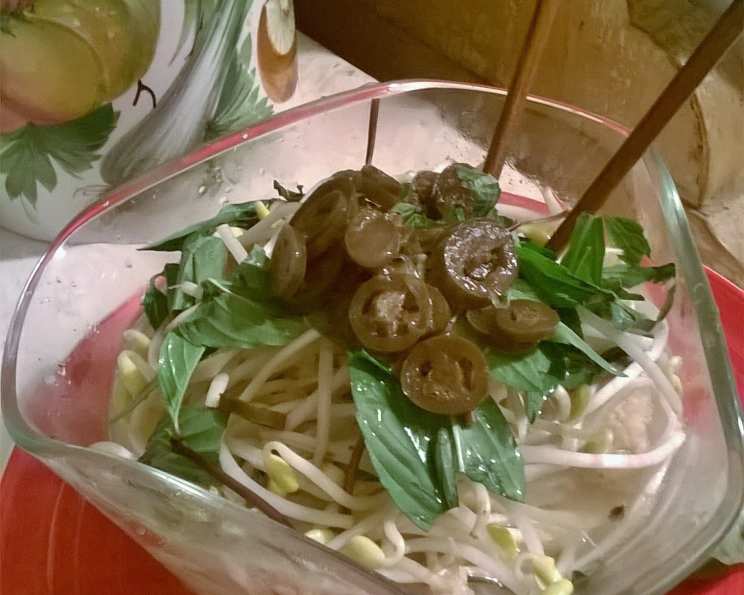
Cow Stomach Pho With Spicy Preserved Chili Peppers: A Culinary Journey
The first time I tasted Pho, it wasn’t the delicate, refined version served in upscale restaurants. It was in a bustling, open-air market in Saigon, served from a dented metal cart by a woman whose smile was as warm as the broth itself. The air was thick with the scent of star anise, lemongrass, and something wonderfully, profoundly meaty. It was an experience, not just a meal, and it sparked a lifelong fascination with Vietnamese cuisine, particularly this humble yet deeply satisfying noodle soup. This recipe is my attempt to capture that rustic, authentic flavor – using cow stomach for a depth that will transport you straight to the heart of Vietnam.
Recipe Overview
- Prep Time: 30 minutes
- Cook Time: 2 hours 30 minutes
- Total Time: 3 hours
- Servings: 2-4
- Yield: About 6 cups
- Dietary Type: Not specified (contains meat)
Ingredients
- 1 gallon water
- 1 lb tripe (cow stomach)
- 11 garlic cloves
- 2 bouillon cubes
- 1 (8 ounce) package rice stick noodles
For Toppings (Optional):
- Fresh soy bean sprouts
- Fresh Thai basil
- Jalapeno peppers (or your favorite spicy chili pepper)
- Lemon or Lime wedges
For Spicy Preserved Chili Peppers (Optional):
- Your favorite spicy chili peppers (Red and Green Thai Chilies are excellent)
- Fish sauce (equal part to rice vinegar)
- Rice vinegar (equal part to fish sauce)
Equipment Needed
- Large soup pot
- Glass jar (for preserved chili peppers)
Instructions
-
Begin by thoroughly cleaning the tripe. Rinse it under cold water, scrubbing away any impurities. You can also blanch the tripe in boiling water for a few minutes to help remove any strong odors. Drain and rinse again.
-
Once the tripe is cleaned, thinly slice it. This step is important for ensuring even cooking and a pleasant texture in the finished soup.
-
In a large soup pot, combine the sliced tripe, water, garlic cloves, and bouillon cubes. Bring the mixture to a boil over high heat.
-
Once boiling, reduce the heat to low, cover the pot, and simmer for two and a half hours. This long simmering time is crucial for tenderizing the tripe and developing the rich, flavorful broth that defines Pho.
-
Occasionally stir the simmering broth. If the water level drops significantly during the simmering process, add additional water to maintain the desired consistency.
-
After the tripe has simmered for two and a half hours, add the rice stick noodles to the pot. Reduce the heat even further and allow the noodles to cook according to the package directions, usually just a few minutes, until they are tender but not mushy.
-
While the noodles are cooking, prepare your toppings. Rinse the fresh soy bean sprouts under cold water to remove any dirt or debris.
-
Rinse and pat dry the fresh Thai basil. This helps to prevent the basil from wilting too quickly when added to the hot soup.
-
Thinly slice the Jalapeno peppers (or your favorite spicy chili pepper) according to your spice preference. Remember that the heat level will intensify as the peppers steep in the broth.
-
Cut Lemon or Lime wedges for garnish. These add a bright, acidic note that balances the richness of the broth and tripe.
-
By the time you are done preparing your toppings, the Pho soup should be ready to serve.
-
To make preserved chili peppers to be served as a topping (optional, but highly recommended!), thinly slice your favorite spicy chili pepper (Red and Green Thai Chilies are excellent for this).
-
Place the sliced chili peppers in a clean glass jar and cover with equal parts of Fish Sauce and Rice Vinegar.
-
Let the preserved chilies sit for a week or more to develop their flavor. The longer they sit, the more intense the flavor will become. These preserved chilies will last for ages in the refrigerator and are excellent on everything from soups to salads to even pizza and spaghetti!
Expert Tips & Tricks
- For a richer broth: Before simmering the tripe, consider searing it in a hot pan with a little oil to develop a deeper, more complex flavor.
- Don’t overcook the noodles: Overcooked rice noodles can become mushy and detract from the overall texture of the soup. Add them only when you are ready to serve.
- Customize your spice level: Adjust the amount of Jalapeno peppers or chili oil to suit your personal preference.
- Make it ahead: The broth can be made a day or two in advance. Just store it in the refrigerator and reheat before adding the noodles and toppings.
- Tripe preparation: If you find the aroma of tripe too strong, soak it in a mixture of water and vinegar for an hour before cooking.
Serving & Storage Suggestions
Serve the Cow Stomach Pho hot, garnished with fresh soy bean sprouts, Thai basil, sliced Jalapeno peppers, and Lemon or Lime wedges. A spoonful of the spicy preserved chili peppers adds a delightful kick.
Leftover soup can be stored in the refrigerator for up to 3 days. Reheat gently on the stovetop or in the microwave. Note that the noodles may absorb some of the broth during storage, so you may need to add a little water when reheating. For longer storage, the broth can be frozen for up to 2 months. It’s best to store the noodles and toppings separately and add them fresh when serving.
Nutritional Information
Note: Nutritional information is an estimate and may vary based on specific ingredients and portion sizes.
| Nutrient | Amount per Serving | % Daily Value |
|---|---|---|
| Calories | 550 kcal | 28% |
| Total Fat | 20g | 31% |
| Saturated Fat | 7g | 35% |
| Cholesterol | 400mg | 133% |
| Sodium | 1200mg | 50% |
| Total Carbohydrate | 70g | 23% |
| Dietary Fiber | 5g | 20% |
| Sugars | 4g | – |
| Protein | 50g | 100% |
Variations & Substitutions
- Other Meats: If tripe isn’t your thing, you can substitute it with other cuts of beef, such as flank steak or brisket.
- Vegetarian Pho: For a vegetarian version, use vegetable broth instead of water and omit the tripe. Add tofu, mushrooms, and other vegetables for a filling and flavorful soup.
- Noodle Variations: You can experiment with different types of noodles, such as egg noodles or glass noodles.
- Herbs: Feel free to add other fresh herbs, such as cilantro or mint, to the soup.
- Spice it up: For extra heat, add a spoonful of chili oil or Sriracha sauce.
FAQs (Frequently Asked Questions)
Q: What is tripe, and where can I find it?
A: Tripe is the edible lining of a cow’s stomach. You can usually find it at Asian markets or specialty butcher shops.
Q: How do I get rid of the strong smell of tripe?
A: Thoroughly cleaning the tripe and blanching it in boiling water can help reduce its strong odor. Soaking it in water and vinegar also helps.
Q: Can I use pre-cooked noodles?
A: Yes, you can use pre-cooked rice noodles, but be careful not to overcook them when adding them to the hot broth.
Q: How long will the preserved chili peppers last?
A: Properly stored in the refrigerator, the preserved chili peppers can last for several months.
Q: Can I freeze the Pho broth?
A: Yes, the Pho broth freezes well. Store it in an airtight container for up to 2 months.
Final Thoughts
Cow Stomach Pho might sound intimidating, but trust me, the rich, savory broth and tender tripe are a truly unforgettable culinary experience. Don’t be afraid to experiment with different toppings and spice levels to create your perfect bowl. Once you’ve mastered this rustic version, you’ll never look at Pho the same way again. I encourage you to try it, share your creations, and let me know what you think. Consider pairing this flavorful soup with a refreshing Vietnamese iced coffee for a truly authentic meal. Bon appétit!