
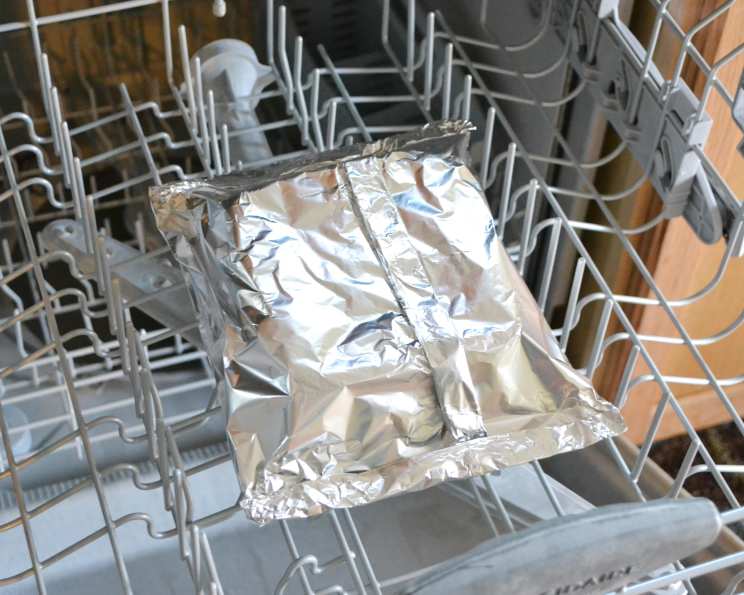
Crazy Good Dishwasher Salmon: A Culinary Adventure
My first encounter with “dishwasher cuisine” was met with a healthy dose of skepticism, to say the least. I remember my dear Aunt Millie, notorious for her quirky kitchen experiments, proudly serving up this very salmon at a family barbecue. The aroma wafting from the freshly opened foil packet was surprisingly enticing, a delicate blend of rosemary and lemon. One bite, and I was converted. The salmon was flaky, moist, and perfectly infused with flavor—a testament to the surprising magic that can happen inside a humble dishwasher. Aunt Millie always said, “Don’t knock it ’til you try it!” and boy, was she right.
Recipe Overview
- Prep Time: 5 minutes
- Cook Time: Varies by Dishwasher Cycle
- Total Time: Varies by Dishwasher Cycle
- Servings: 1
- Yield: 1 fillet
- Dietary Type: Pescatarian, Gluten-Free, Dairy-Free
Ingredients
- 1 large salmon fillet
- ½ lemon
- 1 sprig fresh rosemary
- Kosher salt
- Pepper
Equipment Needed
- Heavy-duty aluminum foil
- Dishwasher
Instructions
-
Begin by preparing your salmon fillet. This is crucial: ensure that your dishwasher is completely empty. No soap, no rinse aid, absolutely nothing else should be in the dishwasher. We’re creating a pristine, steam-filled environment.
-
Next, grab a large sheet of heavy-duty aluminum foil. The key to success is a very tight seal to keep the water out. Place the salmon fillet in the center of the foil.
-
Squeeze the juice from half of a lemon over the salmon. Then, nestle the squeezed lemon half alongside the fillet.
-
Lay a sprig of fresh rosemary on top of the salmon. This adds a lovely aromatic dimension to the dish.
-
Season generously with kosher salt and pepper. Don’t be shy – these seasonings will penetrate the salmon during the cooking process.
-
Now comes the crucial part: tightly sealing the foil packet. Fold the foil over the salmon, creating a secure, airtight seal. Fold over all of the edges several times to prevent water from leaking in. This is paramount for food safety and preventing a soggy mess.
-
Place the sealed foil packet on the top rack of your dishwasher. Ensure that the packet is securely placed so it won’t move around during the wash cycle.
-
Select your dishwasher cycle. According to the original source, use the heated water and heated dry cycle. Important Note: The original recipe author mentions that the “water miser” setting may work, but stresses it must be heated water. It’s best to try your regular wash cycle first and adjust from there. I recommend starting with a normal cycle with heated water.
-
Start the dishwasher and let it run its full cycle. Resist the temptation to peek! The magic happens within the closed environment of the machine.
-
Once the cycle is complete, carefully remove the foil packet from the dishwasher. Be cautious, as the packet will be hot.
-
Open the foil packet carefully, allowing the steam to escape away from your face.
-
Transfer the salmon to a plate and serve immediately. The salmon should be flaky, moist, and infused with the flavors of lemon and rosemary.
Expert Tips & Tricks
-
Foil is Key: Use heavy-duty foil and ensure a super tight seal. Any water leakage will compromise the texture of the salmon. Consider double-wrapping the salmon for extra security.
-
Flavor Boosters: Experiment with other herbs and aromatics. A clove of minced garlic, a slice of ginger, or a few sprigs of dill can add delightful variations.
-
Doneness Check: The cooking time will depend on your dishwasher and the thickness of the salmon fillet. The salmon is done when it flakes easily with a fork. If you’re unsure, it’s always better to err on the side of caution and run the dishwasher for a shorter cycle next time.
-
Dishwasher Selection: Different dishwashers have different water temperatures and cycle lengths. You may need to experiment to find the perfect setting for your machine.
-
Food Safety: This method relies on steam cooking in a sealed environment. Ensure your dishwasher’s heating element is working correctly to reach a safe internal temperature for the salmon. If in doubt, use a food thermometer to check that the internal temperature of the salmon reaches 145°F (63°C).
Serving & Storage Suggestions
Serve your dishwasher salmon immediately for the best flavor and texture. It pairs beautifully with a simple green salad, roasted vegetables, or a side of quinoa.
If you have leftovers (though it’s unlikely!), store the cooked salmon in an airtight container in the refrigerator. It will keep for up to 2 days. Reheat gently in the microwave or oven until warmed through. It’s best enjoyed cold in a salad or sandwich. I do not recommend freezing, as this can affect the texture.
Nutritional Information
| Nutrient | Amount per Serving | % Daily Value |
|---|---|---|
| Calories | 103 kcal | – |
| Total Fat | 3.5 g | 5% |
| Saturated Fat | 0.7 g | 3% |
| Cholesterol | 36.6 mg | 12% |
| Sodium | 59.8 mg | 2% |
| Total Carbohydrate | 0.7 g | 0% |
| Dietary Fiber | 0.2 g | 0% |
| Sugars | 0.2 g | 0% |
| Protein | 16.4 g | 32% |
Variations & Substitutions
- Herb Variations: Swap the rosemary for thyme, oregano, or a mix of Italian herbs.
- Citrus Options: Use orange or grapefruit instead of lemon for a different citrus note.
- Spicy Kick: Add a pinch of red pepper flakes to the foil packet for a touch of heat.
- Vegetable Accompaniment: Include some thinly sliced vegetables, such as zucchini or asparagus, in the foil packet for a complete meal. Ensure they are finely sliced so they cook through in the dishwasher cycle.
FAQs (Frequently Asked Questions)
Q: Is it safe to cook salmon in the dishwasher?
A: Yes, as long as you follow the recipe carefully and ensure the foil packet is completely sealed to prevent water contamination. Make sure your dishwasher is clean and the heating element functions properly to reach a safe cooking temperature.
Q: Will my salmon taste like dishwasher detergent?
A: No, absolutely not! This recipe requires a completely clean dishwasher with no soap or rinse aid. The sealed foil packet prevents any contact with the dishwasher’s interior.
Q: Can I use a different type of fish?
A: While this recipe is specifically designed for salmon, you could experiment with other firm, flaky fish like cod or sea bass. Adjust the cooking time accordingly.
Q: How do I know if the salmon is cooked through?
A: The salmon is done when it flakes easily with a fork. You can also use a food thermometer to check that the internal temperature reaches 145°F (63°C).
Q: My dishwasher has a “sanitize” cycle. Should I use that?
A: It is generally recommended to stick with a normal heated wash and heated dry cycle. Experiment with a shorter cycle if needed. The sanitize cycle may be too intense and overcook the salmon.
Final Thoughts
So, are you ready to embrace the unconventional and give dishwasher salmon a try? It might sound crazy, but trust me, the results are surprisingly delicious. This method is perfect for a small, individual serving and is a fun conversation starter. Don’t be afraid to experiment with different herbs and seasonings to create your signature dishwasher delicacy. Once you’ve tasted the tender, flavorful salmon, you’ll be a believer too. Let me know in the comments how it turns out for you, and happy washing!