
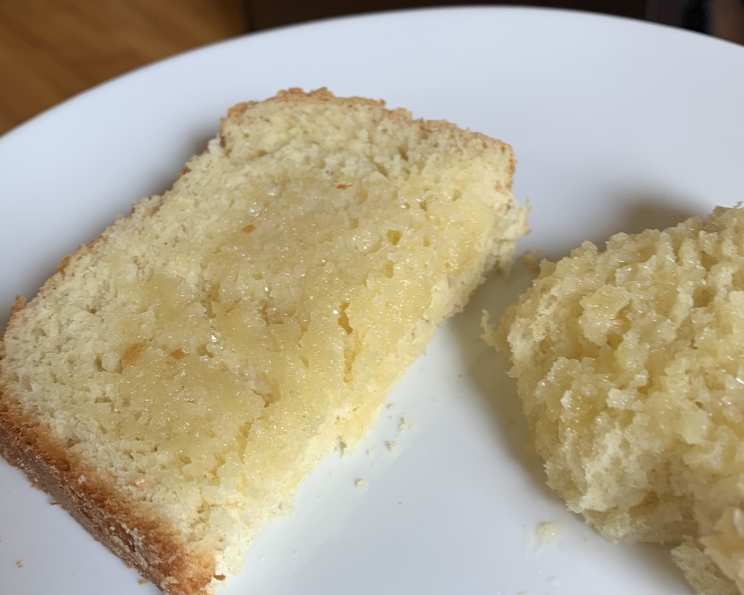
Cream Cheese Yeast Bread (Bread Machine)
The aroma of freshly baked bread always evokes the warmest memories for me. As a child, I vividly remember my grandmother’s kitchen, perpetually filled with the comforting scent of yeast and flour. Her specialty was a simple, yet incredibly delicious, cream cheese bread. The soft, slightly tangy crumb and golden crust made it irresistible. Though she baked hers by hand, this bread machine version brings back that same sense of home, making it a perfect weekday treat.
Recipe Overview
- Prep Time: 10 minutes
- Cook Time: 35 minutes
- Total Time: 45 minutes
- Yields: 1 1/2 lb loaf
- Dietary Type: Not specified
Ingredients
- 1/2 cup water
- 1/2 cup cream cheese, softened
- 2 tablespoons melted butter
- 1 beaten egg
- 4 tablespoons sugar
- 1 teaspoon salt
- 3 cups bread flour
- 1 1/2 teaspoons active dry yeast
Equipment Needed
- Bread machine
- 9×5 inch loaf pan
- Greased cooking spray (optional)
Instructions
- Prepare the Bread Machine: Ensure your bread machine is clean and ready for use. Different machines have different pan insertion methods, so familiarize yourself with yours.
- Add Ingredients to the Pan: Carefully place the ingredients into the bread machine pan in the exact order recommended by your bread machine manufacturer. This is crucial for proper mixing and rising. Typically, liquids go in first, followed by dry ingredients, with the yeast added last. So first add the water, then softened cream cheese, followed by the melted butter, beaten egg, sugar, and salt. Next, add the bread flour, making sure it covers the liquid ingredients. Finally, create a small well on top of the flour and add the active dry yeast into the well.
- Select Dough Cycle: Close the bread machine lid and select the “Dough” cycle. This cycle will mix and knead the dough, then allow it to rise. Program the machine to start.
- Remove Dough from Machine: Once the dough cycle is complete, carefully remove the dough from the bread machine pan. The dough should be smooth and elastic.
- Shape the Loaf: Lightly flour your hands and a clean work surface. Gently shape the dough into a loaf. A rectangular shape, similar to the size of your loaf pan, is ideal.
- Place in Loaf Pan: Grease a 9×5 inch loaf pan with cooking spray or butter. Carefully place the shaped dough into the prepared pan.
- First Rise (Proofing): Cover the loaf pan with a clean kitchen towel or plastic wrap (lightly oiled to prevent sticking). Let the dough rise in a warm place until it has doubled in size. This usually takes about 1 to 1.5 hours, depending on the temperature of your environment.
- Preheat the Oven: While the dough is rising, preheat your oven to 350°F (175°C).
- Bake the Bread: Once the dough has doubled, place the loaf pan in the preheated oven. Bake for approximately 35 minutes, or until the loaf is golden brown and sounds hollow when tapped on the bottom.
- Cooling: Remove the loaf from the oven and let it cool in the pan for 5-10 minutes before transferring it to a wire rack to cool completely. This prevents the bottom from becoming soggy.
Expert Tips & Tricks
- Cream Cheese Temperature: Ensure the cream cheese is properly softened before adding it to the bread machine. This will help it incorporate evenly into the dough. If you forget to take it out in advance, microwave it for 15-20 seconds, checking frequently.
- Yeast Activation: Always check the expiration date of your active dry yeast to ensure it’s still active. If you’re unsure, you can proof the yeast by mixing it with a tablespoon of warm water and a teaspoon of sugar. If it foams within 5-10 minutes, it’s good to use.
- Dough Consistency: If the dough appears too wet or sticky during the kneading process in the bread machine, add a tablespoon of bread flour at a time until it reaches the desired consistency. If the dough is too dry, add a tablespoon of water at a time.
- Even Baking: If you notice the top of the bread browning too quickly during baking, tent it loosely with aluminum foil to prevent burning.
- Perfect Crust: For a shinier crust, brush the top of the loaf with melted butter or an egg wash before baking.
- Over-proofing: Be careful not to let the dough over-proof, as this can result in a deflated loaf. Gently press the dough. If the indentation slowly springs back, it’s ready to bake. If it collapses, it has over-proofed.
Serving & Storage Suggestions
This Cream Cheese Yeast Bread is delicious served warm with butter, jam, or cream cheese. It also makes excellent toast or sandwiches.
- Room Temperature: Store the cooled bread in an airtight container or bread bag at room temperature for up to 2-3 days.
- Refrigerator: For longer storage, refrigerate the bread in an airtight container for up to a week.
- Freezer: You can also freeze the bread. Slice it before freezing for easier portioning. Wrap the slices tightly in plastic wrap and then place them in a freezer bag. Frozen bread will last for up to 2-3 months.
- Reheating: To reheat refrigerated or frozen bread, toast it, or wrap it in foil and warm it in a 350°F (175°C) oven for 10-15 minutes.
Nutritional Information
Please note that the following values are estimates and may vary based on specific ingredients and serving sizes.
| Nutrient | Amount per Serving | % Daily Value |
|---|---|---|
| Calories | 200 kcal | 10% |
| Total Fat | 5g | 8% |
| Saturated Fat | 3g | 15% |
| Cholesterol | 30mg | 10% |
| Sodium | 200mg | 8% |
| Total Carbohydrate | 30g | 10% |
| Dietary Fiber | 1g | 4% |
| Sugars | 5g | – |
| Protein | 5g | 10% |
Variations & Substitutions
- Sweet Bread: Increase the amount of sugar to 6 tablespoons for a sweeter bread. Add a teaspoon of vanilla extract for extra flavor.
- Herb Bread: Add 1-2 tablespoons of chopped fresh herbs, such as rosemary, thyme, or oregano, to the dough for a savory twist.
- Cheese Bread: Add 1/2 cup of shredded cheddar, parmesan, or mozzarella cheese to the dough.
- Cinnamon Raisin Bread: After the dough cycle is complete, roll out the dough into a rectangle. Sprinkle with cinnamon and sugar, then add raisins. Roll up tightly and place in the loaf pan.
- Dairy-Free: Substitute the cream cheese with a dairy-free cream cheese alternative. Use a plant-based butter substitute.
FAQs (Frequently Asked Questions)
Q: Can I use all-purpose flour instead of bread flour?
A: While you can use all-purpose flour, bread flour is recommended because it has a higher protein content, which helps create a chewier, more structured loaf.
Q: My bread didn’t rise properly. What could be the reason?
A: Possible reasons include using expired yeast, not using enough yeast, not allowing the dough to rise in a warm enough environment, or using water that was too hot or too cold.
Q: Can I make this bread without a bread machine?
A: Yes, you can. Mix all the ingredients in a bowl, knead for 8-10 minutes, let rise, punch down, shape, and bake as instructed.
Q: How do I know when the bread is done baking?
A: The bread is done when it’s golden brown and sounds hollow when tapped on the bottom. You can also use a thermometer; it should read 190-200°F (88-93°C) when inserted into the center of the loaf.
Q: Can I add nuts or seeds to this bread?
A: Absolutely! Add about 1/2 cup of chopped nuts or seeds (such as walnuts, pecans, or sunflower seeds) to the dough after the dough cycle is complete.
Final Thoughts
This Cream Cheese Yeast Bread is a delightful addition to any baker’s repertoire. Its soft, slightly tangy flavor and wonderfully light texture make it a crowd-pleaser every time. Whether you enjoy it for breakfast, lunch, or as a simple snack, this bread is sure to bring a smile to your face. I encourage you to try this recipe and experience the simple joy of homemade bread. Don’t hesitate to experiment with variations and share your feedback! Pair it with a warm bowl of soup or a simple salad for a satisfying meal.