
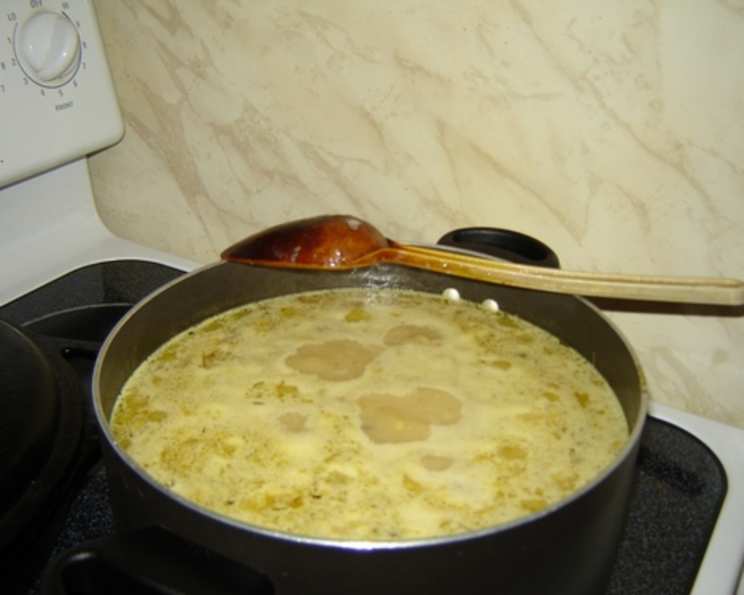
Creamy Homemade Chicken Noodle Soup: A Culinary Embrace
The aroma alone transports me back to childhood, huddled around the kitchen table on a snowy afternoon. My grandmother, a woman whose hands seemed perpetually dusted with flour, would ladle steaming bowls of chicken noodle soup, its golden broth shimmering with promise. Each spoonful was a warm hug, chasing away the winter chill and filling me with a sense of comfort only a truly homemade dish can provide. This recipe aims to recapture that magic, a simple yet deeply satisfying soup that nourishes both body and soul.
Recipe Overview
- Prep Time: 30 minutes
- Cook Time: 2 hours 20 minutes
- Total Time: 2 hours 50 minutes
- Servings: 10
- Yield: Approximately 12 cups
- Dietary Type: Varies; easily adaptable to Dairy-Free
Ingredients
- 4 cups chicken stock
- 3 cups water (add more if needed later)
- 1 medium onion, chopped
- 3-4 garlic cloves, minced (to taste)
- 2 tablespoons olive oil
- Salt and pepper, to taste
- 1/2 teaspoon thyme
- 4 chicken bouillon cubes
- 3 cups leftover chicken, cubed
- 2 (15 ounce) cans cream of mushroom soup (Campbell’s 98% fat free recommended)
- 1 (10 ounce) can peas (optional)
- 1 lb egg noodles
- 1/4 cup all-purpose flour (as needed to thicken)
Equipment Needed
- Large pot or Dutch oven
- Cutting board
- Chef’s knife
- Measuring cups and spoons
- Wooden spoon or spatula
- Small bowl
Instructions
- Begin by sautéing the chopped onion and minced garlic in olive oil in your large pot or Dutch oven over medium heat. Cook until the onions are tender and translucent, about 5-7 minutes. Be careful not to burn the garlic, as this will impart a bitter flavor to the soup. Lower the heat if needed.
- Add the chicken stock, water, cubed chicken, cream of mushroom soup, thyme, and chicken bouillon cubes to the pot with the sautéed onions and garlic. Season with salt and pepper to taste.
- Bring the mixture to a simmer over medium heat. Once simmering, reduce the heat to low, cover the pot, and let it simmer gently for approximately 2 hours. This allows the flavors to meld and deepen, creating a richer and more complex broth. During this simmering period, stir occasionally to prevent sticking.
- After 2 hours, taste the soup to determine if it’s “chickeny” enough for your liking. If you desire a more intense chicken flavor, you can add an additional bouillon cube. Be cautious when adding more bouillon, as it will also increase the saltiness of the soup. Adjust the salt and pepper as needed to achieve your preferred flavor profile.
- Now, add the egg noodles and peas (if using) to the simmering soup. Cook according to the package directions for the noodles, typically around 15-20 minutes, or until the noodles are tender but still firm.
- If you prefer a thicker soup, create a slurry by whisking together the all-purpose flour with a small amount of cold water in a separate bowl until smooth. This prevents lumps from forming when you add it to the hot soup.
- Once the noodles are almost cooked, slowly stir the flour slurry into the simmering soup. Continue to stir frequently to prevent the flour from settling at the bottom and clumping. Cook for a few minutes, until the soup has thickened to your desired consistency.
- After the noodles and flour have cooked and the soup has reached your desired thickness, it’s ready to serve.
Expert Tips & Tricks
- Homemade Stock is Key: While store-bought chicken stock works fine, using homemade stock elevates this soup to a whole new level. Save leftover chicken carcasses to make your own stock. Simmering the bones with vegetables creates a deeply flavorful base.
- Don’t Overcook the Noodles: Overcooked noodles turn mushy and detract from the texture of the soup. Cook them until they are al dente.
- Adjusting Thickness: If your soup is too thin even after adding the flour slurry, you can add a bit more flour, mixed with cold water. Conversely, if the soup is too thick, add a little more chicken stock or water to thin it out.
- Deglazing the Pot: Before adding the stock, consider deglazing the pot after sautéing the onions and garlic. Adding a splash of white wine or sherry and scraping up any browned bits from the bottom of the pot will add depth of flavor to the soup.
- Herb Power: Fresh herbs add brightness. Consider adding fresh parsley, chives, or dill towards the end of the cooking time.
Serving & Storage Suggestions
Ladle the Creamy Homemade Chicken Noodle Soup into bowls and garnish with a sprinkle of fresh parsley or a grind of black pepper. Serve with crusty bread or crackers for dipping.
Leftover soup can be stored in an airtight container in the refrigerator for up to 3-4 days. To reheat, gently warm the soup on the stovetop over medium-low heat, stirring occasionally. You can also reheat it in the microwave, but be sure to stir it halfway through to ensure even heating.
For longer storage, the soup can be frozen for up to 2-3 months. Allow the soup to cool completely before transferring it to freezer-safe containers or bags. When freezing, leave some headspace in the containers, as the liquid will expand as it freezes. To thaw, transfer the frozen soup to the refrigerator overnight or use the defrost setting on your microwave.
Nutritional Information
| Nutrient | Amount per Serving | % Daily Value |
|---|---|---|
| Calories | 327.5 kcal | N/A |
| Calories from Fat | N/A | 31% (100g) |
| Total Fat | 11.2 g | 17% |
| Saturated Fat | 2.5 g | 12% |
| Cholesterol | 41.4 mg | 13% |
| Sodium | 995.3 mg | 41% |
| Total Carbohydrate | 45.7 g | 15% |
| Dietary Fiber | 1.8 g | 7% |
| Sugars | 4.4 g | N/A |
| Protein | 11 g | 22% |
Note: Nutritional information is an estimate and may vary based on specific ingredients and portion sizes.
Variations & Substitutions
- Dairy-Free: Substitute the cream of mushroom soup with a dairy-free alternative, such as a vegan cream of mushroom soup or a mixture of coconut milk and mushroom broth.
- Gluten-Free: Use gluten-free egg noodles and substitute the all-purpose flour with a gluten-free flour blend or cornstarch for thickening.
- Vegetable Boost: Add other vegetables to the soup, such as carrots, celery, potatoes, or spinach. Add root vegetables at the beginning of the simmering process and leafy greens towards the end.
- Spicy Kick: Add a pinch of red pepper flakes or a dash of hot sauce to the soup for a spicy kick.
- Lemon Zest: Add a teaspoon of lemon zest to the soup for a bright, citrusy flavor.
FAQs (Frequently Asked Questions)
Q: Can I use rotisserie chicken instead of leftover chicken?
A: Absolutely! Rotisserie chicken is a convenient and flavorful option. Remove the skin and shred or cube the meat before adding it to the soup.
Q: Can I make this soup in a slow cooker?
A: Yes, you can adapt this recipe for a slow cooker. Sauté the onions and garlic first, then transfer all the ingredients (except the noodles and flour slurry) to the slow cooker. Cook on low for 6-8 hours or on high for 3-4 hours. Add the noodles during the last 30 minutes of cooking time and the flour slurry during the last 15 minutes.
Q: Can I freeze this soup?
A: Yes, this soup freezes well. However, the noodles may become a bit softer after thawing. To minimize this, slightly undercook the noodles before freezing.
Q: What if I don’t have cream of mushroom soup?
A: You can substitute it with cream of chicken soup or a homemade cream sauce made with butter, flour, and milk or broth.
Q: How can I make this soup healthier?
A: Use low-sodium chicken broth, reduce the amount of salt added, and increase the amount of vegetables. You can also use whole-wheat noodles for added fiber.
Final Thoughts
Now that you have the recipe, I encourage you to step into your kitchen and create your own version of this comforting classic. Don’t be afraid to experiment with different ingredients and flavors to personalize it to your own taste. Share your creations with loved ones and let the warmth of this Creamy Homemade Chicken Noodle Soup fill your home with joy and connection. And remember, cooking is an act of love, so savor every moment of the process. I’d love to hear about your experience making this soup – please share your feedback and variations!