
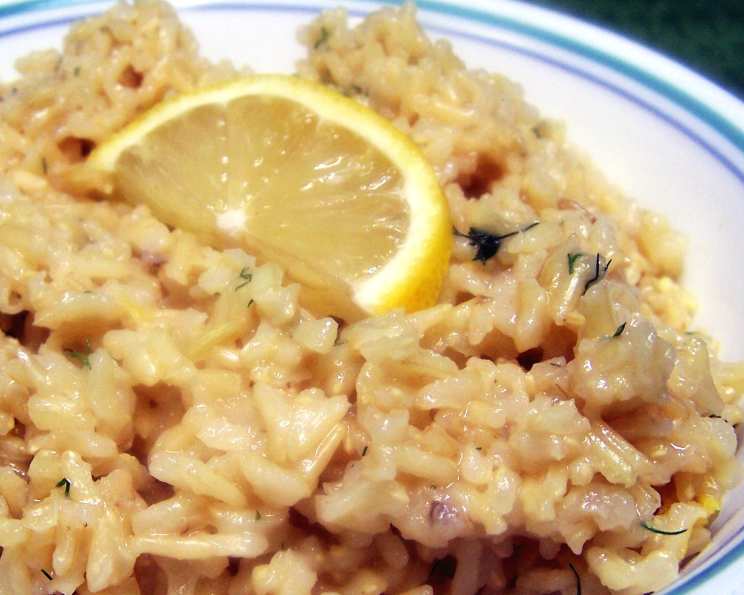
Creamy Lemon-Dill Risotto: A Taste of Sunshine
The first time I tasted risotto was during a small cooking class I took in Tuscany. The chef, a Nonna named Isabella, showed us how patience and love transformed humble rice into a masterpiece. I remember the bright, almost electric burst of flavor from the lemon zest she added to her risotto, which she always paired with fresh herbs picked straight from her garden. This Creamy Lemon-Dill Risotto brings me right back to that sun-drenched kitchen and Nonna Isabella’s contagious laughter. Every spoonful is a little piece of sunshine on a plate.
Recipe Overview
- Prep Time: 5 minutes
- Cook Time: 20-30 minutes
- Total Time: 25-35 minutes
- Servings: 4
- Dietary Type: Vegetarian
Ingredients
- 2 ½ cups chicken broth
- 1 cup uncooked rice (Arborio rice recommended for classic risotto texture)
- 1 garlic clove, minced
- 1 tablespoon lemon zest, freshly grated
- 2 tablespoons dill, fresh, chopped
- 2 tablespoons butter, unsalted
Equipment Needed
- Medium saucepan
- Measuring cups and spoons
- Wooden spoon or spatula
- Grater or zester
- Knife
- Cutting board
Instructions
- In a medium saucepan, combine the chicken broth, uncooked rice, and minced garlic.
- Bring the mixture to a boil over medium-high heat.
- Once boiling, reduce the heat to low, cover the saucepan with a lid, and allow the mixture to simmer gently.
- Cook on low heat for 20-30 minutes, or until the liquid is absorbed and the rice is tender. Be careful not to lift the lid too often as this will release the steam and lengthen the cooking time.
- Once the rice is cooked, remove the saucepan from the heat.
- Stir in the fresh lemon zest, chopped fresh dill, and butter. Stir gently until the butter is fully melted and evenly distributed, creating a creamy texture.
- Serve immediately.
Expert Tips & Tricks
- Use Arborio Rice: For the best risotto texture, use Arborio rice. This short-grain rice has a high starch content, which contributes to the creamy consistency.
- Warm the Broth: While this recipe calls for combining the broth and rice directly, gently warming the broth beforehand can help the rice cook more evenly. Simmer the broth in a separate saucepan before adding it to the rice for an even creamier result.
- Don’t Overcook: Be careful not to overcook the rice. It should be tender but still have a slight bite (al dente).
- Lemon Zest Matters: Use freshly grated lemon zest for the most vibrant flavor. Avoid grating the white pith underneath the zest, as it can be bitter.
- Fresh Herbs Only: Dried dill will not provide the same bright, fresh flavor as fresh dill.
- Butter, Butter, Butter: Don’t skimp on the butter! It adds richness and a silky smoothness to the risotto. If you are dairy-free, you can substitute with a plant-based butter alternative.
- Adjust Liquid: If the risotto becomes too dry before the rice is fully cooked, add a little more broth (1/4 cup at a time) until the desired consistency is reached.
- For extra richness: Consider adding a knob of butter or a drizzle of good quality olive oil just before serving. A sprinkle of freshly grated Parmesan cheese is also a welcome addition, although this will make the dish non-vegetarian.
Serving & Storage Suggestions
Serve the Creamy Lemon-Dill Risotto immediately while it’s hot and creamy. It makes a delightful side dish for grilled chicken, fish, or roasted vegetables. For a more elegant presentation, plate the risotto in shallow bowls and garnish with an extra sprig of fresh dill and a small wedge of lemon.
Leftover risotto can be stored in an airtight container in the refrigerator for up to 2 days. When reheating, add a splash of broth or water to loosen it up and prevent it from drying out. You can reheat it in the microwave or in a saucepan over low heat, stirring frequently. While risotto is best served fresh, reheating is possible with a little extra care. Freezing risotto is not recommended as it can affect the texture.
Nutritional Information
| Nutrient | Amount per Serving | % Daily Value |
|---|---|---|
| Calories | 280 kcal | 14% |
| Total Fat | 8g | 12% |
| Saturated Fat | 5g | 25% |
| Cholesterol | 15mg | 5% |
| Sodium | 600mg | 26% |
| Total Carbohydrate | 45g | 15% |
| Dietary Fiber | 1g | 4% |
| Sugars | 1g | 2% |
| Protein | 7g | 14% |
Nutritional information is an estimate and may vary based on specific ingredients and preparation methods.
Variations & Substitutions
- Vegan Option: Substitute the chicken broth with vegetable broth and the butter with a plant-based butter alternative or olive oil.
- Add Protein: Stir in cooked shrimp, grilled chicken, or pan-seared scallops for a heartier meal.
- More Vegetables: Add sautéed asparagus tips, peas, or zucchini for extra nutrients and flavor. Sauté the vegetables separately and stir them into the risotto during the last few minutes of cooking.
- Cheese Please: Stir in 1/4 cup of grated Parmesan cheese (or a plant-based Parmesan alternative) at the end for a richer, cheesier flavor.
- Herb Variations: Experiment with other fresh herbs like parsley, chives, or tarragon instead of dill.
- Citrus Twist: Try using lime or orange zest instead of lemon zest for a different citrusy flavor.
- Spice it up: Add a pinch of red pepper flakes for a subtle kick.
FAQs (Frequently Asked Questions)
Q: Can I use brown rice instead of Arborio rice?
A: While you can use brown rice, it will significantly alter the texture of the risotto. Brown rice requires a longer cooking time and won’t achieve the same creamy consistency as Arborio rice.
Q: Can I make this recipe ahead of time?
A: Risotto is best served fresh. However, you can prepare the ingredients in advance by mincing the garlic, zesting the lemon, and chopping the dill.
Q: What if my risotto is too thick?
A: Add a splash of warm chicken broth (or vegetable broth, if making a vegan version) to loosen it up. Stir gently until the desired consistency is reached.
Q: How do I know when the rice is cooked properly?
A: The rice should be tender but still have a slight bite to it (al dente). It should not be mushy or crunchy.
Q: Can I use dried dill instead of fresh dill?
A: Fresh dill provides a much brighter and more vibrant flavor. While dried dill can be used in a pinch, use only about 1 teaspoon of dried dill for every 2 tablespoons of fresh dill.
Final Thoughts
I truly hope this Creamy Lemon-Dill Risotto brings a little sunshine to your kitchen, just like it does for me. It’s a testament to how simple ingredients, when treated with care and a little patience, can transform into something truly special. Don’t be afraid to experiment with the variations, and let your own creativity shine through. If you try this recipe, I’d love to hear about your experience. Share your feedback, photos, and any delicious pairings you discover!