
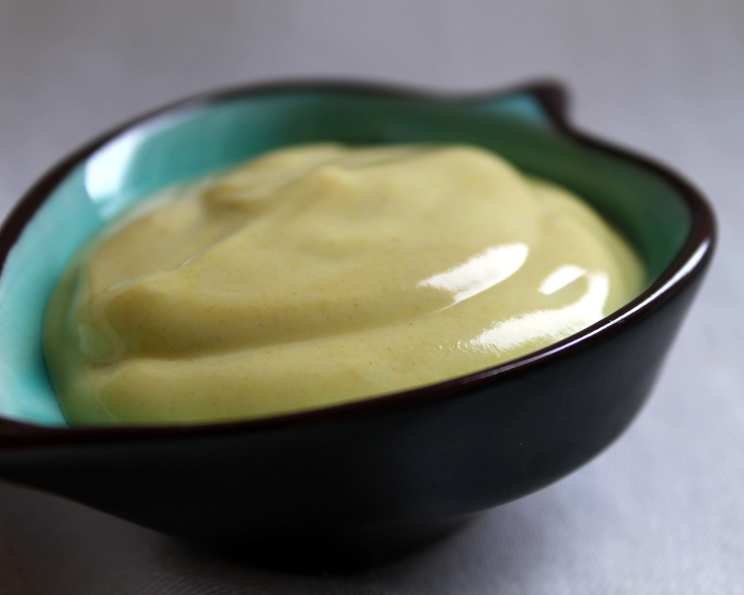
Luscious Vegan Creamy Mustard Sauce: An Effortless Culinary Delight
My earliest memories of mustard sauce involve hushed reverence. My grandmother, a formidable woman with a penchant for classic French cooking, would prepare it for special occasions, always paired with perfectly seared tofu steaks. The aroma of the white wine reducing, mingling with the pungent mustard and the subtle hint of tarragon, was intoxicating. It was a flavor profile that instantly elevated any dish, transforming simple ingredients into something truly extraordinary. I’ve adapted her recipe over the years to be completely plant-based without sacrificing any of the original richness or depth of flavor. This vegan creamy mustard sauce is my tribute to her culinary artistry, a reminder of the simple elegance that food can bring to our lives.
Recipe Overview
- Prep Time: 2 minutes
- Cook Time: 8 minutes
- Total Time: 10 minutes
- Yields: 1/2 cup
- Serves: 4
- Dietary Type: Vegan
Ingredients
- ¼ cup dry white wine (or vegetable broth)
- ½ cup non-dairy sour cream (cashew-based or soy-based recommended)
- 2 tablespoons Dijon mustard
- 1 teaspoon dried tarragon (or 1 tablespoon chopped fresh tarragon)
Equipment Needed
- Small saucepan
- Whisk
Instructions
-
Pour the white wine (or vegetable broth) into a hot pan over medium heat.
-
Allow the wine to reduce by half, which should take approximately 1-2 minutes. Watch it carefully to prevent it from burning or evaporating completely. This concentration step is key to building the sauce’s flavor base. The alcohol will evaporate, leaving behind the wine’s complex fruity and acidic notes.
-
Reduce the heat to low. Whisk in the non-dairy sour cream, Dijon mustard, and tarragon.
-
Continue to cook and whisk gently until the sauce is heated through and reaches your desired consistency, about 5-6 minutes. Be careful not to boil the sauce after adding the non-dairy sour cream, as this may cause it to separate. If the sauce becomes too thick, whisk in a tablespoon or two of water or vegetable broth to thin it out. The sauce should be smooth, creamy, and coat the back of a spoon.
-
Taste and adjust seasonings as needed. You may want to add a pinch of salt or pepper, depending on your preference and the saltiness of your Dijon mustard.
Expert Tips & Tricks
-
Wine Selection: Opt for a dry white wine such as Sauvignon Blanc, Pinot Grigio, or Chardonnay. Avoid sweet wines, as they will alter the overall flavor profile of the sauce. If using vegetable broth, choose a low-sodium variety to control the salt content.
-
Mustard Matters: The quality of your Dijon mustard will significantly impact the flavor of the sauce. Choose a high-quality Dijon mustard made with traditional methods for the best results. You can also experiment with different types of mustard, such as whole-grain mustard, for a different texture and flavor.
-
Herb Infusion: Fresh tarragon is preferable for its bright, anise-like flavor. If using dried tarragon, rub it between your fingers before adding it to the sauce to release its aroma. You can also substitute other herbs, such as thyme, chives, or parsley, for a different flavor profile.
-
Consistency Control: The sauce will thicken slightly as it cools. If you prefer a thinner sauce, add a splash of water or vegetable broth before serving. If you prefer a thicker sauce, simmer it for a few more minutes, stirring constantly, until it reaches your desired consistency.
-
Preventing Separation: Non-dairy sour cream can sometimes separate when heated. To prevent this, use a high-quality brand and avoid boiling the sauce. If the sauce does separate, whisk it vigorously until it comes back together. Adding a teaspoon of cornstarch mixed with a tablespoon of cold water before heating can also stabilize the sauce.
-
Make-Ahead Magic: The sauce can be made ahead of time and stored in the refrigerator for up to 3 days. Reheat gently over low heat, stirring occasionally, until heated through. If the sauce has thickened too much during storage, add a tablespoon or two of water or vegetable broth to thin it out.
Serving & Storage Suggestions
This vegan creamy mustard sauce is incredibly versatile and can be served with a variety of dishes. It is perfect as a dipping sauce for crispy tofu nuggets or tempeh, drizzled over roasted vegetables such as asparagus or Brussels sprouts, or spooned over grilled portobello mushrooms. It also makes a delicious accompaniment to lentil loaf or vegan sausages.
For an elegant presentation, drizzle the sauce over the dish just before serving, and garnish with a sprig of fresh tarragon or a sprinkle of paprika.
Store any leftover sauce in an airtight container in the refrigerator for up to 3 days. Reheat gently over low heat, stirring occasionally, until heated through. It is not recommended to freeze this sauce, as the non-dairy sour cream may separate upon thawing.
Nutritional Information
(Approximate values per serving)
| Nutrient | Amount per Serving | % Daily Value |
|---|---|---|
| Calories | 74 kcal | 4% |
| Total Fat | 6g | 8% |
| Saturated Fat | 3.3g | 17% |
| Cholesterol | 0mg | 0% |
| Sodium | 110mg | 5% |
| Total Carbohydrate | 2g | 1% |
| Dietary Fiber | 0g | 0% |
| Sugars | 1g | 2% |
| Protein | 1g | 2% |
Variations & Substitutions
-
Spicy Kick: Add a pinch of cayenne pepper or a dash of hot sauce to the sauce for a spicy kick.
-
Sweet and Tangy: Add a teaspoon of maple syrup or agave nectar to the sauce for a touch of sweetness. A splash of apple cider vinegar can also add a nice tang.
-
Herbaceous Delight: Experiment with different herbs, such as dill, rosemary, or sage, for a unique flavor profile.
-
Nut-Free Option: If you have a nut allergy, use soy-based sour cream, coconut cream (the thick part from a chilled can), or a sunflower seed-based cream in place of cashew cream.
-
Oil-Free Option: Some brands of vegan sour cream are naturally oil-free. Alternatively, you can make your own oil-free version using blended silken tofu or white beans.
-
Gluten-Free: This recipe is naturally gluten-free, as long as you use a gluten-free Dijon mustard.
FAQs (Frequently Asked Questions)
Q: Can I use regular mustard instead of Dijon?
A: While you can use other types of mustard, Dijon provides a unique sharpness and depth of flavor that is characteristic of this sauce. If substituting, start with a smaller amount and taste as you go.
Q: My sauce separated. What did I do wrong?
A: Overheating or boiling the sauce after adding the non-dairy sour cream is the most common cause of separation. Keep the heat low and stir gently. You can try whisking the sauce vigorously to bring it back together.
Q: Can I use fresh tarragon instead of dried?
A: Absolutely! Fresh tarragon adds a brighter, more vibrant flavor. Use 1 tablespoon of chopped fresh tarragon in place of the dried.
Q: How long does this sauce last in the fridge?
A: Properly stored in an airtight container, the sauce will keep in the refrigerator for up to 3 days.
Q: Is this sauce freezer-friendly?
A: Freezing is not recommended, as the non-dairy sour cream may change texture and potentially separate upon thawing. Fresh is always best!
Final Thoughts
This vegan creamy mustard sauce is proof that plant-based cooking can be both simple and incredibly flavorful. It’s a versatile condiment that will quickly become a staple in your kitchen, elevating everything from simple vegetable dishes to more elaborate vegan entrees. Don’t be afraid to experiment with different variations and substitutions to create your own signature version. I encourage you to try this recipe and share your feedback – and perhaps, like me, you’ll even find yourself remembering it fondly for years to come. Pair it with a crisp, dry white wine for a truly delightful culinary experience!