
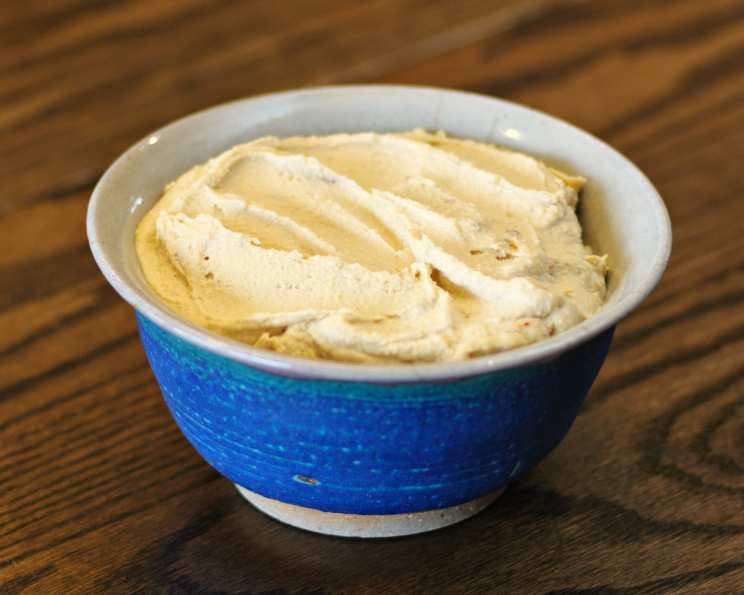
Creamy, Yummy, Hummus, Hummos, Hummous – However U Spell It!
The aroma of freshly baked pita bread, warm from the oven, still lingers in my memory, mingling with the tangy scent of lemon and garlic. It takes me back to sun-drenched afternoons spent in my grandmother’s kitchen, where she’d effortlessly whip up a batch of hummus that was somehow both intensely flavorful and incredibly light. Every gathering, large or small, began with a generous bowl of her hummus, a communal dip that fostered laughter, conversation, and the simple joy of sharing good food. It was more than just a recipe; it was a tradition, a symbol of warmth, and a reminder of the love that food can convey.
Recipe Overview
- Prep Time: 10 minutes
- Cook Time: 10 minutes
- Total Time: 20 minutes
- Servings: 3-4
- Yield: Approximately 2 cups
- Dietary Type: Vegan, Gluten-Free
Ingredients
- 1 (15 ounce) can chickpeas, drained
- 2 garlic cloves, minced
- ⅓ – ½ cup olive oil
- 3 tablespoons tahini (sesame paste)
- 2-3 tablespoons plain yogurt
- 3 tablespoons fresh lemon juice
- ½ teaspoon salt
- More salt to taste (depends on your taste buds)
- Pepper
Equipment Needed
- Saucepan
- Food processor or blender
- Measuring cups and spoons
Instructions
- Begin by preparing the chickpeas. This step is optional, but if you have the patience, peeling the “skins” off all the chickpeas will contribute to a smoother, creamier hummus.
- In a saucepan, bring the chickpeas to a boil for 10 minutes. As they boil, skim off any scummy stuff that forms on the surface of the water. This helps to purify the chickpeas and improves the final flavor.
- Drain the chickpeas, but be sure to reserve about ½ cup of the boiling liquid in a separate cup. This liquid will be used later to adjust the consistency of the hummus.
- In a food processor or blender, combine the drained chickpeas, minced garlic cloves, olive oil, tahini, plain yogurt, fresh lemon juice, and salt.
- Blend all the ingredients until smooth. If you find that the mixture is too thick or difficult to blend, gradually pour in some of the reserved boiling liquid, a little at a time, until you achieve the desired smooth consistency.
- Once the hummus is blended to a smooth and creamy texture, taste and adjust the seasoning as needed. Add more salt and pepper to your preference.
- Transfer the hummus to a serving bowl. Garnish with a generous drizzle of extra virgin olive oil, chopped tomatoes, chopped onions, and a sprinkle of paprika for a visually appealing and flavorful presentation.
- For the best flavor, allow the hummus to sit in the refrigerator for at least a couple of hours, or even overnight. This allows the flavors to meld and deepen. However, it’s still delicious to eat as soon as it’s done!
Expert Tips & Tricks
- The Secret to Creaminess: Peeling the chickpeas is a game-changer. It takes time, but it significantly impacts the final texture, creating an unbelievably smooth hummus.
- Yogurt Magic: The yogurt not only lightens the color of the hummus but also adds a subtle tang and creaminess that elevates the flavor profile.
- Tahini Quality Matters: Opt for a high-quality tahini made from hulled sesame seeds for the best flavor and texture. Some tahini can be bitter, so taste it before adding it to the hummus.
- Lemon Juice Freshness: Always use freshly squeezed lemon juice. The bottled stuff simply doesn’t compare in terms of brightness and flavor.
- Adjusting the Consistency: Don’t be afraid to add more or less of the reserved chickpea liquid to achieve your preferred consistency. Some people like their hummus thicker, while others prefer a thinner, more pourable dip.
- Garlic Intensity: The flavor of garlic can intensify over time. If you’re making the hummus ahead of time, consider using a little less garlic initially and then adding more to taste before serving.
- Warming the Chickpeas: For an extra-smooth hummus, try warming the drained chickpeas in a saucepan before blending. This helps to soften them and makes them easier to process.
- Make it Ahead: Hummus is a great make-ahead dish. In fact, the flavors often improve after a day or two in the refrigerator. Just be sure to store it in an airtight container.
Serving & Storage Suggestions
Serve your homemade hummus with warm pita bread, fresh vegetables like cucumbers, carrots, and bell peppers, or as a spread on sandwiches and wraps.
Store leftover hummus in an airtight container in the refrigerator for up to 5 days. While it’s best enjoyed chilled, you can also let it sit at room temperature for about an hour before serving to soften it slightly. Hummus can also be frozen for longer storage, although the texture may change slightly upon thawing. If freezing, transfer the hummus to a freezer-safe container, leaving some headspace for expansion. Thaw it in the refrigerator overnight before serving.
Nutritional Information
| Nutrient | Amount per Serving | % Daily Value |
|---|---|---|
| Calories | 478.6 kcal | N/A |
| Calories from Fat | 298 g | 62% |
| Total Fat | 33.2 g | 51% |
| Saturated Fat | 4.7 g | 23% |
| Cholesterol | 1.3 mg | 0% |
| Sodium | 828.2 mg | 34% |
| Total Carbohydrate | 38.1 g | 12% |
| Dietary Fiber | 7.7 g | 30% |
| Sugars | 0.9 g | 3% |
| Protein | 10.2 g | 20% |
Variations & Substitutions
- Roasted Garlic Hummus: Roast the garlic cloves before adding them to the hummus for a sweeter, mellower flavor.
- Spicy Hummus: Add a pinch of cayenne pepper or a few dashes of hot sauce to the hummus for a spicy kick.
- Roasted Red Pepper Hummus: Roast a red bell pepper and add it to the hummus for a smoky, sweet flavor.
- Sun-Dried Tomato Hummus: Add a handful of sun-dried tomatoes (oil-packed, drained) to the hummus for a tangy, intense flavor.
- Herbaceous Hummus: Add fresh herbs like parsley, cilantro, or dill to the hummus for a burst of freshness.
- Beet Hummus: Add cooked beets for a vibrant color and earthy flavor.
- Sweet Potato Hummus: Add roasted sweet potato for a touch of sweetness and creaminess.
- Different Beans: While not technically hummus, you can experiment with other beans like white beans or black beans for a unique twist.
- Nut-Free Hummus: If you have a sesame allergy, try using sunflower seed butter (sunflower tahini) in place of tahini.
FAQs (Frequently Asked Questions)
Q: Why is my hummus grainy?
A: Grainy hummus is usually caused by the chickpea skins or low-quality tahini. Peeling the chickpeas and using good tahini can help. Also, blending for longer can help create a smoother texture.
Q: Can I use canned tahini?
A: It is best to use tahini in a jar as the canned versions are often not as good.
Q: How long does homemade hummus last?
A: Homemade hummus will last for up to 5 days in the refrigerator when stored in an airtight container.
Q: Can I freeze hummus?
A: Yes, you can freeze hummus, but the texture may change slightly upon thawing. Store it in a freezer-safe container for up to 3 months.
Q: What can I serve with hummus besides pita bread?
A: Hummus is delicious with fresh vegetables like cucumbers, carrots, and bell peppers, as well as crackers, pretzels, or even as a spread on sandwiches and wraps.
Final Thoughts
This creamy, yummy hummus recipe, passed down with a touch of improvisation inspired by a dear friend, is a testament to the power of sharing food and culinary secrets. I encourage you to gather your ingredients, embrace the process, and create your own version of this timeless classic. Don’t be afraid to experiment with variations and substitutions to tailor it to your taste. And most importantly, share it with loved ones, creating your own memories around this versatile and delicious dish. Whether you spell it hummus, hummos, or hummous, one thing is certain: it’s a guaranteed crowd-pleaser that brings people together.