
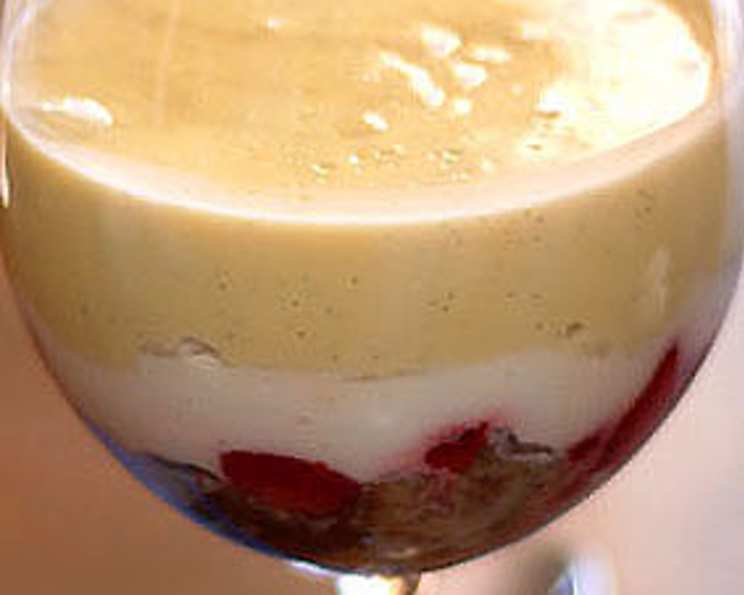
Crème Anglaise: A Culinary Embrace of Vanilla
There are few things that evoke such a vivid childhood memory as the scent of vanilla gently infusing warm milk. I remember standing on a stool in my grandmother’s kitchen, mesmerized as she stirred a pot on the stove. The air would fill with the sweet fragrance, a promise of the velvety custard she was making. It wasn’t just a dessert; it was an act of love, poured into every spoonful. That creamy, comforting flavor of Crème Anglaise, or Vanilla Custard Sauce, forever etched in my culinary heart, is what I want to share with you today.
Recipe Overview
- Prep Time: 15 minutes
- Cook Time: 20-25 minutes
- Total Time: 35-40 minutes
- Servings: 6
- Yield: 2 1/2 cups
- Dietary Type: Vegetarian
Ingredients
- 1 1⁄2 cups milk
- 1⁄2 cup heavy cream (or whipping cream)
- 1⁄2 vanilla bean, split lengthwise, or 1 teaspoon vanilla extract
- 4 large egg yolks
- 1⁄2 cup sugar
Equipment Needed
- Medium-sized saucepan
- Whisk
- Wooden spoon
- Large bowl
- Ice cubes
Instructions
-
Pour the milk and cream into a medium-sized saucepan.
-
If using a vanilla bean, carefully split it lengthwise with a paring knife. Scrape the seeds into the pan and then add the bean pod itself to the milk and cream mixture. This allows maximum vanilla infusion.
-
Heat the milk and cream over medium heat until bubbles appear around the edge of the pan. Do not boil! Scalding the milk will give the custard a cooked taste.
-
Remove the pan from the heat and set aside for 15 minutes to allow the milk to fully absorb the vanilla flavor. This step is crucial for a deeply vanilla-infused crème anglaise.
-
If you used a vanilla bean, remove it from the milk mixture and discard it. You’ve extracted all the lovely flavor.
-
In a separate bowl, beat the egg yolks with the sugar and vanilla extract (if using) until light and foamy. This usually takes about 3 minutes. The mixture should pale in color and thicken slightly. This step is important for creating a smooth, emulsified custard.
-
Now comes the tempering process. This is where you gradually introduce the hot liquid to the egg yolks to prevent them from scrambling. Starting with a few tablespoons of the hot milk mixture, very gradually whisk it into the egg yolk mixture. Continue adding the hot milk, a little at a time, while constantly whisking, until about half of the milk has been incorporated.
-
Pour the tempered egg yolk mixture back into the saucepan with the remaining milk mixture.
-
Return the saucepan to medium heat. Cook, stirring constantly with a wooden spoon, until the custard starts to thicken slightly.
-
Be very careful not to let the custard come to a boil, or the egg yolks will curdle, resulting in a grainy texture. The ideal temperature is around 170-175°F (77-79°C). To test for doneness, coat the back of the wooden spoon with the custard. Run your finger across the back of the spoon. If the line you create holds and doesn’t immediately flood back together, the custard is ready.
-
Immediately remove the saucepan from the heat. To stop the cooking process and prevent curdling, prepare an ice bath. Place the saucepan in a large bowl filled with ice cubes and a little water. Stir the custard gently until it cools down.
-
Once the custard has cooled completely, transfer it to an airtight container and refrigerate it for at least 2 hours, or preferably overnight. This allows the flavors to meld and the custard to thicken further.
Expert Tips & Tricks
- The Vanilla Bean Secret: Using a high-quality vanilla bean makes a world of difference. Look for plump, moist beans.
- Tempering is Key: Don’t rush the tempering process. Gradually adding the hot milk prevents the eggs from scrambling.
- Watch the Heat: Constant stirring and low heat are essential to prevent curdling.
- Strain for Perfection: For an ultra-smooth custard, strain it through a fine-mesh sieve after cooking. This will remove any cooked egg particles.
- Flavor Boost: Add a pinch of salt to enhance the sweetness and balance the flavors.
Serving & Storage Suggestions
Crème Anglaise is incredibly versatile. Serve it warm or chilled over poached fruits, such as pears or peaches. It’s also a delightful accompaniment to cakes, puddings, brownies, or even a simple slice of pound cake. Drizzle it over ice cream for an extra layer of decadence.
Store leftover Crème Anglaise in an airtight container in the refrigerator for up to 3 days. It is not recommended to freeze Crème Anglaise as the texture can change significantly upon thawing, resulting in a grainy consistency.
Do not leave Crème Anglaise at room temperature for more than 2 hours. Due to its dairy and egg content, it is susceptible to bacterial growth.
Nutritional Information
(Estimated, per serving)
| Nutrient | Amount per Serving | % Daily Value |
|---|---|---|
| Calories | 280 kcal | 14% |
| Total Fat | 18g | 28% |
| Saturated Fat | 11g | 55% |
| Cholesterol | 180mg | 60% |
| Sodium | 40mg | 2% |
| Total Carbohydrate | 22g | 8% |
| Dietary Fiber | 0g | 0% |
| Sugars | 20g | N/A |
| Protein | 5g | 10% |
Variations & Substitutions
- Citrus Infusion: Instead of vanilla, infuse the milk with the grated zest of 1/2 lemon or orange for a bright, citrusy flavor.
- Boozy Twist: Add a tablespoon or two of your favorite liqueur, such as Grand Marnier, Kirsch, or Kahlua, to the finished custard for an extra layer of flavor.
- Spice It Up: Infuse the milk with a cinnamon stick or a star anise for a warm, aromatic twist.
- Chocolate Anglaise: Whisk in 2 ounces of melted dark chocolate into the warm custard after it has thickened for a rich chocolate variation.
FAQs (Frequently Asked Questions)
Q: My Crème Anglaise curdled. What did I do wrong?
A: The most common reason for curdling is overheating the custard. Be sure to cook it over medium heat and never let it boil. Constant stirring and careful temperature control are crucial.
Q: How do I fix curdled Crème Anglaise?
A: While you can’t fully reverse curdling, you can try to improve the texture. Immediately remove the custard from the heat and whisk it vigorously. You can also try straining it through a fine-mesh sieve to remove any large pieces of curdled egg.
Q: Can I use a different type of milk?
A: While whole milk and heavy cream are recommended for the richest flavor and texture, you can use other types of milk, such as 2% milk. However, the custard may be slightly thinner.
Q: Can I make Crème Anglaise ahead of time?
A: Yes, Crème Anglaise can be made ahead of time and stored in the refrigerator for up to 3 days. This allows the flavors to meld and the custard to thicken further.
Q: Is there a vegan version of Crème Anglaise?
A: Yes, you can make a vegan version using plant-based milk, such as oat or almond milk, and thickening agents like cornstarch or arrowroot powder. There are many great vegan Crème Anglaise recipes available online.
Final Thoughts
Crème Anglaise is more than just a sauce; it’s a culinary hug. It’s a testament to the simple elegance of vanilla, the richness of dairy, and the transformative power of heat. I encourage you to try this recipe and experience the joy of creating this classic dessert. Don’t be afraid to experiment with different flavors and variations to make it your own. And most importantly, share it with someone you love, spreading a little bit of that sweet, comforting magic. Perhaps serve it alongside a warm apple crumble or a slice of chocolate cake. Happy cooking!