
The Soul of Cuba: Mastering the Art of Cafecito
The memory is etched in my mind: stepping off the humid Miami streets into my abuela’s (grandmother’s) tiny kitchen. The air, thick with the aroma of roasting coffee and simmering black beans, always felt like a warm embrace. But the true magic always happened with the cafecito. Abuela, with her perpetually stained fingers and a smile as sweet as the sugar she wielded, would perform her daily ritual, transforming simple ingredients into a powerful elixir – a taste of home, a taste of Cuba. It wasn’t just coffee; it was a connection to our heritage, a daily dose of love and a fiery kick-start to the day. That simple act, performed with such care, instilled in me a lifelong appreciation for the bold, sweet, and utterly addictive Cuban coffee.
Recipe Overview
- Prep Time: 5 minutes
- Cook Time: 10 minutes
- Total Time: 15 minutes
- Servings: 6
- Yield: 6 small cups
- Dietary Type: Vegan
Ingredients
- Espresso ground coffee (I prefer using a medium-dark roast for a robust flavor)
- ¼ cup granulated sugar (adjust to taste, some prefer it even sweeter!)
Equipment Needed
- Stovetop espresso maker (Moka pot)
- Tall container with a spout (liquid measuring cup works well)
- Spoon
- Espresso cups
Instructions
-
Begin by filling a 6-cup stovetop espresso maker with water to the indicated fill line. Consult your espresso maker’s instructions for the precise water level. This is crucial for proper brewing.
-
Next, fill the filter basket of the espresso maker with espresso ground coffee. Ensure the coffee is packed down gently but firmly. Avoid over-packing, as this can hinder the brewing process.
-
Place the assembled espresso maker over moderate heat on your stovetop. Keep a close eye on it; the brewing process can be relatively quick.
-
While the coffee is brewing, take your ¼ cup of sugar and place it in a tall container with a spout. This will be used to create the all-important espumita or crema.
-
As soon as the coffee begins to emerge into the upper reservoir of the espresso maker, carefully pour about ½ tablespoon of the freshly brewed coffee over the sugar. Immediately return the espresso maker to the heat to continue brewing.
-
This is where the magic happens. Using a spoon, vigorously beat the sugar and espresso mixture together. The goal is to create a pale beige, creamy foam.
-
Continue beating the mixture for about 1 minute, or until most of the sugar granules begin to dissolve. At first, it may appear dry and grainy, but don’t be discouraged! Persistence is key. Keep beating, and the mixture will transform into a luscious, light foam.
-
Once all the coffee has been brewed in the stovetop espresso maker, carefully remove it from the heat.
-
Slowly and deliberately pour the brewed coffee over the creamed sugar in your container, stirring gently to ensure that all of the sugar dissolves completely into the coffee.
-
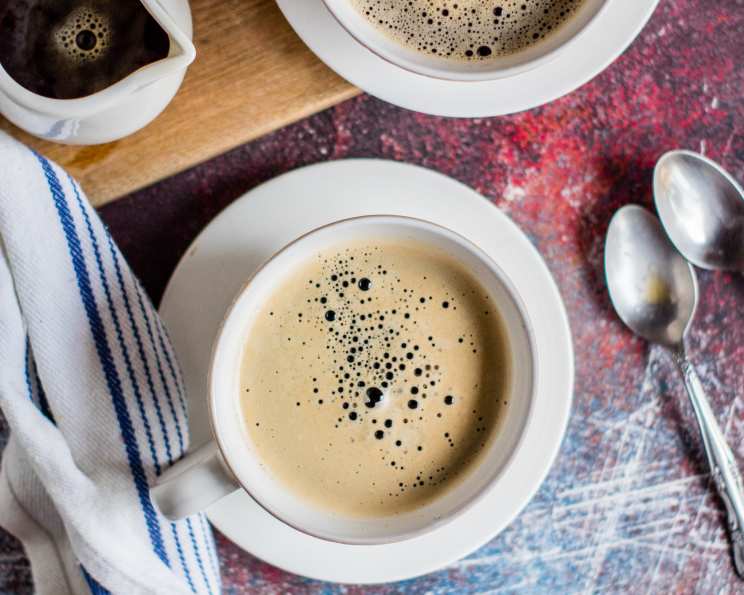
Observe as a beautiful, thin layer of sugar foam (the crema) floats gracefully on top of the coffee. This is the hallmark of a perfectly executed cafecito.
-
Finally, pour the finished cafecito into small espresso cups and serve immediately. Savor the rich aroma and the delightful contrast between the strong coffee and the sweet crema.
Expert Tips & Tricks
- Mastering the Crema: Don’t be afraid to really put some elbow grease into beating the sugar and espresso. The more you beat it, the better the crema will be. You cannot overbeat the sugar. If you accidentally add too much coffee to the sugar at the beginning, don’t panic. Just keep beating, and you should still be able to achieve the desired foam.
- Coffee Bean Choice: While the recipe states that the technique is what makes the coffee Cuban, the quality of the beans undeniably contributes to the overall experience. Experiment with different dark roast espresso beans to find your personal favorite. Pre-ground espresso works perfectly well for this recipe.
- Heat Control: Maintaining a moderate heat is crucial during the brewing process. Too high of heat can result in bitter coffee, while too low of heat will prolong the brewing time and may lead to a less flavorful result.
Serving & Storage Suggestions
Cafecito is best enjoyed immediately after brewing, while the crema is still intact. It’s traditionally served in small, demitasse cups. It is typically enjoyed after a meal or as an afternoon pick-me-up. In Cuban culture, it’s often a social experience, shared with friends and family. If you have any leftover cafecito (though unlikely!), it’s best to discard it. The crema will dissipate over time, and the flavor will diminish. Freshly brewed is always the best!
Nutritional Information
| Nutrient | Amount per Serving | % Daily Value |
|---|---|---|
| Calories | 32 kcal | 2% |
| Total Fat | 0 g | 0% |
| Saturated Fat | 0 g | 0% |
| Cholesterol | 0 mg | 0% |
| Sodium | 0 mg | 0% |
| Total Carbohydrate | 8 g | 3% |
| Dietary Fiber | 0 g | 0% |
| Sugars | 8 g | 16% |
| Protein | 0 g | 0% |
Note: Nutritional information is an estimate and may vary based on specific ingredients and preparation methods.
Variations & Substitutions
- Sweetener Alternatives: While granulated sugar is traditional, you could experiment with other sweeteners like brown sugar for a richer, molasses-like flavor or a sugar substitute. Be aware that using a sugar substitute may impact the formation of the crema, as the texture and chemical properties will differ.
- Spice Infusion: Add a pinch of cinnamon or nutmeg to the ground coffee before brewing for a warm, aromatic twist.
- Decaf Option: Use decaffeinated espresso ground coffee to enjoy cafecito any time of day without the caffeine kick. I often use decaf when I want the taste but not the buzz.
FAQs (Frequently Asked Questions)
Q: Can I use regular coffee instead of espresso?
A: While you can technically use strongly brewed regular coffee, the flavor and texture won’t be the same. Espresso’s concentrated flavor and pressure-brewing method are essential for achieving the authentic cafecito experience.
Q: My crema isn’t forming properly. What am I doing wrong?
A: The most common culprit is not beating the sugar and coffee mixture vigorously enough. Ensure you’re beating it for a full minute, or even longer, until it transforms into a pale beige foam. Also, make sure you are using granulated sugar, as other types of sugar may not create the same foam.
Q: Can I make a larger batch of cafecito?
A: Yes, you can adjust the recipe proportionally based on the size of your stovetop espresso maker. Just remember to maintain the ratio of coffee to sugar for the crema.
Q: How do I clean my stovetop espresso maker?
A: Most stovetop espresso makers are easy to clean with warm, soapy water. Be sure to thoroughly rinse all parts and dry them completely before reassembling. Avoid using abrasive cleaners, as they can damage the aluminum.
Q: Can I add milk to my cafecito?
A: While traditionally cafecito is enjoyed black and sweet, adding a splash of warm milk creates a café con leche, which is another delicious Cuban coffee variation.
Final Thoughts
More than just a caffeinated beverage, cafecito is an experience, a cultural touchstone, a small cup brimming with tradition and flavor. Don’t be intimidated by the technique; with a little practice, you’ll be whipping up authentic Cuban coffee in no time. I encourage you to gather your ingredients, embrace the process, and share this delightful tradition with your friends and family. Feel free to experiment with slight variations to find your perfect cafecito. And most importantly, savor every sip!