
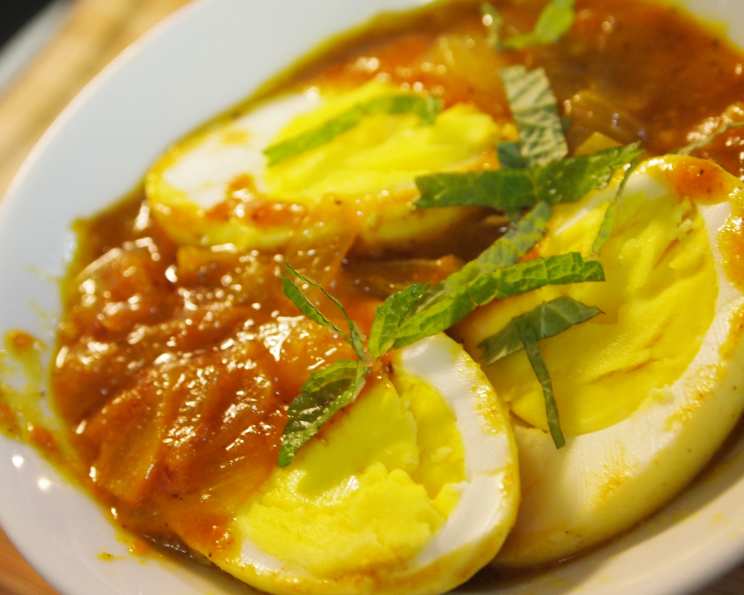
Curried Eggs: A Culinary Comfort Food
My grandmother, a woman of quiet strength and impeccable taste, had a knack for transforming simple ingredients into extraordinary meals. One dish I vividly remember is her Curried Eggs. It wasn’t just the creamy, subtly spiced sauce clinging to perfectly cooked eggs; it was the warmth and comfort it brought on chilly evenings, a reminder of her unwavering love and culinary magic. The aroma alone conjured images of her bustling kitchen, the gentle clinking of pans, and the promise of a hearty, nourishing meal. To this day, Curried Eggs remain a cherished taste of home, a connection to my grandmother’s legacy, and a testament to the power of simple, honest cooking.
Recipe Overview
- Prep Time: 10 minutes
- Cook Time: 25 minutes
- Total Time: 35 minutes
- Servings: 4-6
- Yield: Approximately 4 cups
- Dietary Type: Vegetarian
Ingredients
- 6 eggs
- 4 tablespoons unsalted butter
- 1 medium onion, peeled and chopped
- 1 garlic clove, peeled and crushed
- 2 tablespoons curry powder
- 2 tablespoons tomato paste
- ¾ cup water
- 1 tablespoon lemon juice
- Salt and freshly ground black pepper, to taste
- 1 lemon, zest of
- 2 tablespoons fresh flat-leaf parsley, chopped
Equipment Needed
- Saucepan
- Frying pan or large skillet
- Sharp knife
- Cutting board
- Peeler
- Lemon zester
Instructions
- Begin by hard boiling the eggs. Place the eggs in a saucepan and cover them with cold water. Bring the water to a rolling boil over medium-high heat. Once boiling, remove the pan from the heat, cover it, and let the eggs sit for 10-12 minutes. This will ensure perfectly cooked yolks without the dreaded green ring.
- After 10-12 minutes, immediately transfer the eggs to an ice bath. This stops the cooking process and makes them easier to peel.
- Once the eggs are cool enough to handle, gently peel them. A helpful tip is to tap the egg all over to create cracks, then peel under running water.
- Cut the peeled eggs in half lengthwise. Set aside.
- In a frying pan or large skillet, melt the butter over medium heat.
- Add the chopped onion to the melted butter and sauté until it is just soft and translucent, about 5-7 minutes. Stir occasionally to prevent burning.
- Add the crushed garlic to the pan and sauté for another minute, until fragrant. Be careful not to burn the garlic, as it can become bitter.
- Stir in the curry powder and tomato paste. Cook for 1-2 minutes, stirring constantly, to allow the spices to bloom and release their flavor. This step is crucial for developing the depth of the curry.
- Gradually add the water, stirring well to combine all the ingredients and create a smooth sauce.
- Stir in the lemon juice, salt, and pepper. Taste and adjust seasoning as needed. Remember that the flavors will meld together as the sauce simmers.
- Allow the mixture to cook over low heat until it is just bubbling and slightly thickened, about 5-7 minutes. Stir occasionally to prevent sticking.
- Gently add the egg halves to the onion mixture. Be careful not to overcrowd the pan.
- Carefully stir the egg halves to coat them with the sauce, and reheat them through. This should only take a few minutes. Avoid overcooking the eggs at this stage, as they can become rubbery. If the sauce gets too thick, add a little more water to reach your desired consistency.
- Remove the pan from the heat and stir in the lemon zest and chopped parsley. This adds a burst of freshness and brightens the overall flavor of the dish.
- Serve immediately while hot.
Expert Tips & Tricks
- For a richer sauce, use coconut milk instead of water. This will add a subtle sweetness and creamy texture.
- If you prefer a smoother sauce, you can use an immersion blender to blend the sauce before adding the eggs. Be careful not to over-blend, as you still want some texture.
- To prevent a green ring around the yolks, ensure the eggs are immediately placed in an ice bath after boiling.
- Make-ahead tip: The sauce can be prepared a day in advance and stored in the refrigerator. Gently reheat before adding the eggs.
- Spice level adjustment: Adjust the amount of curry powder to your preference. For a milder flavor, use less. For a spicier kick, add a pinch of cayenne pepper.
- To ensure the eggs don’t break while reheating, avoid high heat and stir very gently.
Serving & Storage Suggestions
Curried eggs are best served hot. They are delicious with steamed rice, naan bread, or toast. For a more complete meal, consider adding a side of roasted vegetables or a simple green salad. Garnish with extra fresh parsley or a sprinkle of chili flakes for added visual appeal and flavor.
Leftover curried eggs can be stored in an airtight container in the refrigerator for up to 2 days. Be aware that the texture of the eggs may change slightly upon reheating. To reheat, gently warm the curried eggs in a saucepan over low heat, stirring occasionally, until heated through. Avoid microwaving, as this can make the eggs rubbery. Freezing is not recommended, as the texture of the eggs will be significantly altered.
Nutritional Information
| Nutrient | Amount per Serving | % Daily Value |
|---|---|---|
| Calories | 244 kcal | 12% |
| Total Fat | 19 g | 29% |
| Saturated Fat | 10 g | 48% |
| Cholesterol | 310 mg | 103% |
| Sodium | 177 mg | 7% |
| Total Carbohydrate | 8 g | 3% |
| Dietary Fiber | 2 g | 9% |
| Sugars | 3 g | 6% |
| Protein | 11 g | 22% |
Nutritional information is an estimate and may vary based on specific ingredients and portion sizes.
Variations & Substitutions
- Vegan Curried Eggs: Use a vegan egg substitute or firm tofu, crumbled, in place of the eggs. Substitute vegan butter and use coconut milk for a creamy, dairy-free sauce.
- Gluten-Free: This recipe is naturally gluten-free.
- Spicy Curried Eggs: Add a pinch of cayenne pepper or a chopped chili pepper to the sauce for extra heat.
- Creamy Curried Eggs: Stir in a tablespoon of heavy cream or Greek yogurt at the end of cooking for added richness.
- Vegetable Boost: Add chopped vegetables like bell peppers, peas, or spinach to the sauce for added nutrients and flavor.
- Indian-Style Curried Eggs: Use garam masala instead of curry powder for a more authentic Indian flavor profile. Add a pinch of turmeric for color.
- Coconut Curry: Substitute the water with coconut milk for a sweeter and creamier curry.
FAQs (Frequently Asked Questions)
Q: Can I use pre-cooked hard-boiled eggs?
A: Yes, you can use pre-cooked hard-boiled eggs to save time. Simply add them to the sauce and heat through gently.
Q: How can I prevent the curry powder from tasting bitter?
A: Blooming the curry powder in the butter and garlic for a minute or two helps to release its flavor and prevent a bitter taste.
Q: What is the best way to peel hard-boiled eggs?
A: Cooling the eggs in an ice bath immediately after boiling makes them easier to peel. Tapping the egg all over to create cracks before peeling under running water also helps.
Q: Can I make this dish ahead of time?
A: Yes, you can prepare the sauce ahead of time and store it in the refrigerator for up to 24 hours. Reheat the sauce before adding the eggs.
Q: What can I serve with Curried Eggs?
A: Curried eggs are delicious with steamed rice, naan bread, or toast. A side of roasted vegetables or a simple green salad also complements the dish well.
Final Thoughts
Curried Eggs are more than just a simple dish; they are a testament to the transformative power of simple ingredients and the enduring appeal of comfort food. This recipe offers a delightful blend of flavors and textures, perfect for a quick and satisfying meal any time of day. I encourage you to try this recipe and adapt it to your own preferences, experimenting with different spices and additions to create your own unique version. Share your creations with friends and family, and let the warmth and comfort of Curried Eggs bring joy to your table. Don’t forget to pair it with a refreshing glass of lassi if you’re feeling adventurous!