
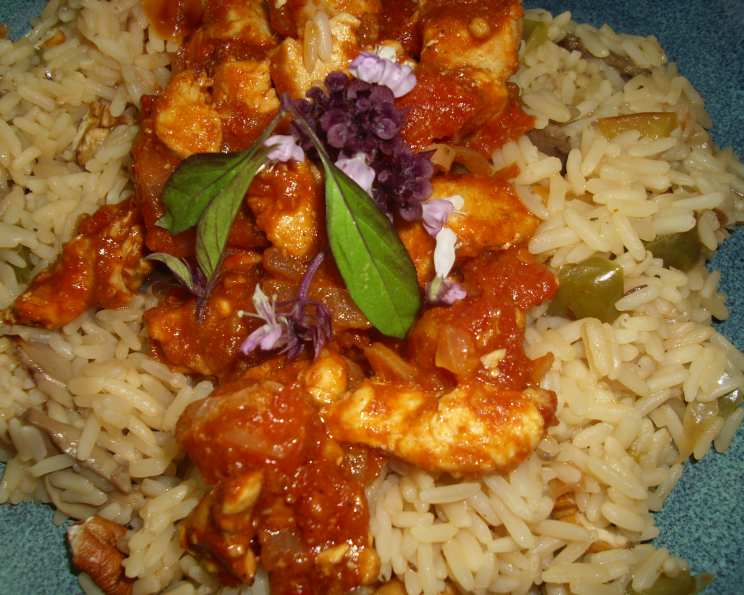
Curry Chicken: A Flavorful Journey
I can still remember the excitement of that fourth-grade project, the thrill of diving into a culture so different from my own. My first attempts at curry chicken, a simplified version cobbled together from library books and my mom’s spice rack, were far from perfect. But the aroma that filled the kitchen, that blend of warm spices and savory chicken, sparked a lifelong love for the complex flavors of Indian cuisine. This recipe, honed and tweaked over the years, is a tribute to that initial spark, a delicious echo of childhood curiosity and culinary exploration.
Recipe Overview
- Prep Time: 10 minutes
- Cook Time: 45 minutes
- Total Time: 55 minutes
- Servings: 4
- Dietary Type: Dairy-Free
Ingredients
- 4 boneless, skinless chicken breasts (or 8 chicken tenders)
- ⅛ cup extra virgin olive oil
- 1 onion, chopped
- 1 (14 ounce) can diced tomatoes (or 1 ½ cups freshly diced tomatoes)
- ½ teaspoon ground ginger
- 1 teaspoon garlic powder
- 1 tablespoon curry powder
- 1 ½ teaspoons salt (do not exceed 1 ½ teaspoons of salt)
- ½ cup water
- 1 teaspoon vinegar
Equipment Needed
- Large skillet or pan
- Separate pan for sautéing onions and tomatoes
- Measuring cups and spoons
- Cutting board
- Knife
Instructions
- Begin by preparing the chicken. Cut the chicken breasts (or tenders) into bite-sized pieces.
- Heat the olive oil in a large skillet or pan over medium-high heat.
- Add the cut chicken to the hot oil and brown on all sides. This step is crucial for developing a rich, savory flavor. Once browned, remove the chicken from the pan and set it aside.
- In a separate pan, over medium heat, combine the chopped onion, diced tomatoes, ground ginger, garlic powder, and curry powder. This mixture forms the base of your curry sauce.
- Cook the onion and tomato mixture for approximately 15 to 20 minutes, stirring occasionally. This allows the flavors to meld and the onions to soften. The mixture should reduce slightly and thicken.
- Add the browned chicken, water, and salt to the tomato mixture. Stir well to ensure the chicken is coated in the sauce.
- Cover the pan and reduce the heat to a low simmer. Stir constantly to prevent sticking. Cook for approximately 15 minutes, or until the chicken is cooked through and tender. The internal temperature of the chicken should reach 165°F (74°C).
- Add the vinegar to the pan and cook for an additional 5 minutes. The vinegar adds a touch of acidity that balances the richness of the curry.
- Before serving, sprinkle a small amount of additional curry powder on top for an extra burst of flavor and visual appeal.
- Plate the curry chicken with a side of rice or couscous.
Expert Tips & Tricks
- Browning is Key: Don’t skip the step of browning the chicken. This adds depth of flavor to the entire dish. Make sure your pan is hot enough to get a good sear.
- Don’t Overcook: Be careful not to overcook the chicken. Overcooked chicken will be dry and tough. Use a meat thermometer to ensure the chicken reaches 165°F (74°C).
- Spice it Up: If you prefer a spicier curry, add a pinch of red pepper flakes or a finely chopped chili pepper to the onion and tomato mixture.
- Tomato Freshness: Fresh tomatoes can add a brightness that canned can’t match. If using fresh, ensure they are ripe and dice them uniformly.
- The Right Pan: A heavy-bottomed pan will distribute heat more evenly, preventing hot spots and scorching.
- Salt Sensibly: Remember to adhere to the salt recommendation. It is always best to start with less, then add more to your preferred liking.
- Ginger Boost: Consider using fresh grated ginger for a brighter, more pungent flavor than ground ginger. Add it along with the garlic powder and other spices.
Serving & Storage Suggestions
Serve the curry chicken hot, garnished with a sprinkle of fresh cilantro or parsley, if desired. A dollop of plain yogurt or raita (yogurt with cucumber and mint) can provide a cooling counterpoint to the warm spices. Basmati rice is a classic accompaniment, but couscous, quinoa, or even naan bread also work well.
Leftover curry chicken can be stored in an airtight container in the refrigerator for up to 3-4 days. For longer storage, freeze the curry chicken in freezer-safe containers for up to 2 months. To reheat, thaw the curry chicken in the refrigerator overnight and then gently reheat in a saucepan over medium heat, adding a splash of water if needed to prevent drying. You can also reheat it in the microwave. Ensure that the chicken is heated thoroughly before serving.
Nutritional Information
| Nutrient | Amount per Serving | % Daily Value |
|---|---|---|
| Calories | 231.7 kcal | – |
| Calories from Fat | 92 g | 40% |
| Total Fat | 10.3 g | 15% |
| Saturated Fat | 1.7 g | 8% |
| Cholesterol | 75.5 mg | 25% |
| Sodium | 1017.4 mg | 42% |
| Total Carbohydrate | 8.1 g | 2% |
| Dietary Fiber | 2.3 g | 9% |
| Sugars | 3.9 g | 15% |
| Protein | 26.6 g | 53% |
Variations & Substitutions
- Vegetarian Curry: Replace the chicken with chickpeas, lentils, or paneer (Indian cheese) for a vegetarian option.
- Coconut Curry: Substitute the water with coconut milk for a richer, creamier sauce. You can also add a squeeze of lime juice at the end for brightness.
- Different Vegetables: Add other vegetables like bell peppers, peas, spinach, or potatoes to the curry for added nutrients and flavor.
- Spice Level: Adjust the amount of curry powder to suit your taste. You can also add other spices like turmeric, cumin, or coriander for a more complex flavor profile.
- Vinegar Swap: Experiment with different vinegars like apple cider vinegar or rice vinegar for subtle flavor variations.
- Sweetness Addition: For a touch of sweetness, consider adding a teaspoon of honey or a pinch of brown sugar to the sauce.
FAQs (Frequently Asked Questions)
Q: Can I make this curry chicken ahead of time?
A: Absolutely! Curry chicken is often even better the next day as the flavors have had more time to meld. Store it in the refrigerator and reheat before serving.
Q: How do I prevent the chicken from drying out?
A: Avoid overcooking the chicken, and ensure the sauce is thick enough to coat the chicken pieces. Simmering the chicken gently in the sauce is key.
Q: Can I use bone-in chicken instead of boneless?
A: Yes, you can use bone-in, skin-on chicken pieces, but you’ll need to adjust the cooking time accordingly. Bone-in chicken will take longer to cook through.
Q: What’s the best way to thicken the curry sauce?
A: If your sauce is too thin, you can simmer it uncovered for a longer period to allow it to reduce. Alternatively, you can mix a teaspoon of cornstarch with a tablespoon of cold water and add it to the sauce, stirring constantly, until it thickens.
Q: Can I freeze this curry chicken?
A: Yes, curry chicken freezes well. Allow it to cool completely before transferring it to a freezer-safe container. When ready to eat, thaw it overnight in the refrigerator and reheat thoroughly.
Final Thoughts
This curry chicken is more than just a recipe; it’s a journey of flavors, a simple dish with the power to transport you to another place and time. I encourage you to try it, to experiment with the spices, and to make it your own. Whether you serve it with fluffy rice, warm naan, or a simple side salad, I hope this curry chicken brings warmth, comfort, and a little bit of culinary adventure to your table. Don’t be afraid to share your creations and feedback – happy cooking!