
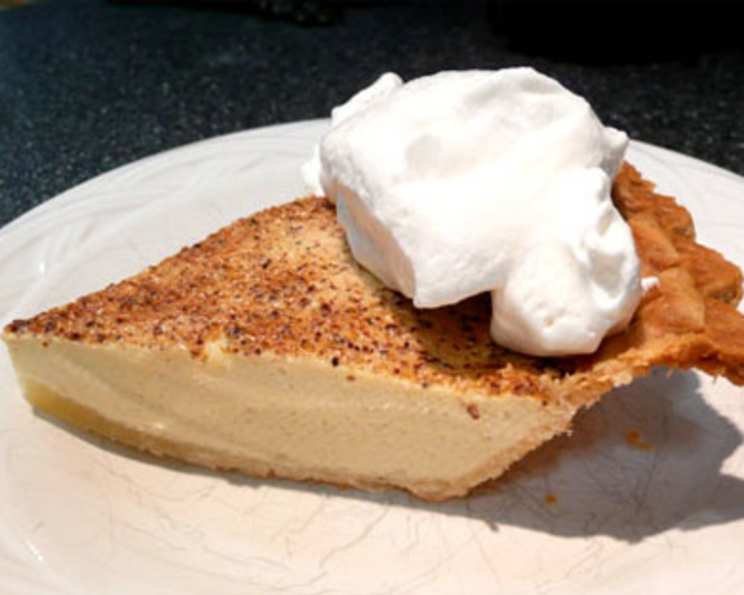
The Quintessential Custard Tart: A Timeless Classic
The scent of nutmeg and vanilla, mingling with the warmth of a freshly baked pastry – that’s my grandmother’s kitchen. I remember being small, perched on a stool, mesmerized by the way she’d carefully pour the creamy custard into the shell, her hands steady and practiced. It wasn’t just a dessert; it was an act of love, a slice of comfort that always made everything feel a little bit brighter. While she always insisted her secret was in the nutmeg, I think the true magic was in the simple, heartfelt way she made it.
Recipe Overview
- Prep Time: 15 minutes
- Cook Time: 35 minutes
- Total Time: 50 minutes
- Servings: 8
- Yield: 1 (9-inch) tart
- Dietary Type: Vegetarian
Ingredients
- 3 eggs
- ½ cup sugar
- 2 tablespoons cornflour (corn starch)
- 1 ¼ cups milk
- 1 teaspoon vanilla essence
- Ground nutmeg
- 1 (9 inch) unbaked pastry shell (store-bought or homemade)
Equipment Needed
- Large mixing bowl
- Whisk
- Measuring cups and spoons
- 9-inch tart pan (if making your own pastry shell)
- Oven
- Skewer or toothpick
Instructions
-
Begin by preheating your oven to 200 degrees Celsius (approximately 390 degrees Fahrenheit). It’s crucial to have a consistent temperature for even baking.
-
In a large mixing bowl, combine the eggs and sugar. Whisk them together vigorously until the mixture becomes thick, pale, and creamy. This step is essential for creating a light and airy custard. You should notice the volume increase significantly.
-
In a separate bowl, whisk together the cornflour, milk, and vanilla essence. Ensure the cornflour is fully dissolved to prevent lumps in your custard. The vanilla essence enhances the flavor profile of the custard.
-
Slowly and gradually add the milk mixture to the egg and sugar mixture, whisking constantly as you pour. This is a key step to temper the eggs and prevent them from scrambling. Incorporate the milk mixture in a steady stream until fully combined.
-
Carefully pour the custard mixture into the unbaked pastry shell. If you’re using a store-bought shell, ensure it’s evenly placed on a baking sheet. If you’ve made your own, blind bake the shell for about 10 minutes before adding the custard to prevent a soggy bottom.
-
Sprinkle the top of the custard generously with freshly ground nutmeg. The nutmeg adds a warm, aromatic spice that complements the creamy custard perfectly. Adjust the amount to your personal preference.
-
Bake the tart at 200 degrees Celsius (390 degrees Fahrenheit) for the first 10 minutes. This initial high heat helps set the pastry and gives the custard a slight crust.
-
After 10 minutes, reduce the oven temperature to 180 degrees Celsius (approximately 350 degrees Fahrenheit) and continue baking for a further 20 to 25 minutes. Lowering the temperature prevents the custard from overcooking or cracking.
-
To check for doneness, insert a skewer or toothpick into the center of the custard. If it comes out clean or with only a few moist crumbs clinging to it, the tart is ready. If the skewer comes out with liquid custard, bake for a few more minutes and check again. Keep a close eye to prevent over-baking.
-
Once baked, remove the tart from the oven and let it cool completely on a wire rack before serving. This allows the custard to set fully and prevents it from being too runny.
Expert Tips & Tricks
- Preventing a Soggy Bottom: To avoid a soggy crust, blind-bake your pastry shell before adding the custard. Dock the bottom of the pastry with a fork to prevent it from puffing up too much.
- Tempering the Eggs: Adding the hot milk mixture to the eggs slowly, while whisking constantly, is crucial to prevent the eggs from scrambling. If you accidentally add too much hot liquid at once, stop and whisk very quickly.
- Achieving a Smooth Custard: Ensure the cornflour is fully dissolved in the milk before adding it to the egg mixture to avoid a lumpy custard. You can also strain the custard through a fine-mesh sieve before pouring it into the pastry shell for an extra smooth texture.
- Preventing Cracking: Baking at a lower temperature after the initial high heat helps prevent the custard from cracking. If the top starts to brown too quickly, you can loosely tent the tart with foil.
- Homemade Pastry Shell: For the best flavor, consider making your own pastry shell. A simple shortcrust pastry recipe with butter and flour will result in a tender and flaky crust that complements the creamy custard perfectly.
Serving & Storage Suggestions
Serve the custard tart chilled or at room temperature. A light dusting of powdered sugar or an extra grating of nutmeg can enhance the presentation. This tart pairs beautifully with a cup of freshly brewed coffee or a glass of sweet dessert wine.
To store leftover custard tart, cover it loosely with plastic wrap or store it in an airtight container in the refrigerator. It will keep for up to 3 days. While you can freeze the tart, the texture of the custard may change slightly upon thawing. It’s best enjoyed fresh. Reheating isn’t usually necessary, but if desired, you can warm it slightly in a low oven (around 150 degrees Celsius or 300 degrees Fahrenheit) for a few minutes.
Nutritional Information
| Nutrient | Amount per Serving | % Daily Value |
|---|---|---|
| Calories | 221 kcal | N/A |
| Calories from Fat | 96 kcal | N/A |
| Total Fat | 10.7 g | 16% |
| Saturated Fat | 3.3 g | 16% |
| Cholesterol | 75.1 mg | 25% |
| Sodium | 162.4 mg | 6% |
| Total Carbohydrate | 26.1 g | 8% |
| Dietary Fiber | 1 g | 3% |
| Sugars | 12.7 g | 50% |
| Protein | 5.1 g | 10% |
Note: Nutritional information is an estimate and can vary based on specific ingredients and portion sizes.
Variations & Substitutions
- Dairy-Free Custard: Substitute the milk with almond milk, soy milk, or coconut milk for a dairy-free version. Be aware that the flavor and texture may be slightly different.
- Gluten-Free Tart: Use a gluten-free pastry shell made with gluten-free flour blends. You can also find pre-made gluten-free crusts in many supermarkets.
- Lemon Custard: Add the zest of one lemon to the milk mixture for a refreshing citrus twist.
- Chocolate Custard: Incorporate 2 tablespoons of cocoa powder into the cornflour and milk mixture for a rich chocolate flavor.
- Spice Variations: Experiment with other spices like cinnamon, cardamom, or ginger instead of nutmeg.
FAQs (Frequently Asked Questions)
Q: Why did my custard crack on top?
A: Cracking usually occurs when the custard is baked at too high a temperature or for too long. Reduce the oven temperature and check for doneness frequently.
Q: How can I prevent my pastry crust from shrinking during baking?
A: Blind bake your pastry shell using baking beans or rice to weigh it down and prevent shrinkage. Also, make sure the pastry is well-chilled before baking.
Q: Can I make the custard filling ahead of time?
A: While it’s best to bake the tart fresh, you can prepare the custard filling up to a day in advance. Store it in the refrigerator and whisk well before pouring it into the pastry shell.
Q: What is the best way to grind nutmeg?
A: Freshly grated nutmeg has the most intense flavor. Use a microplane or a nutmeg grater to grind it just before adding it to the tart.
Q: Can I use a different type of sugar?
A: Yes, you can substitute the granulated sugar with caster sugar or even brown sugar for a slightly different flavor.
Final Thoughts
The custard tart, in its simple elegance, is a testament to the power of classic flavors. It’s a recipe that invites personalization and adaptation, yet remains deeply comforting in its familiar form. I hope this recipe inspires you to create your own memories, to share a slice of warmth and sweetness with the people you love. Don’t be afraid to experiment with variations and make it your own!