
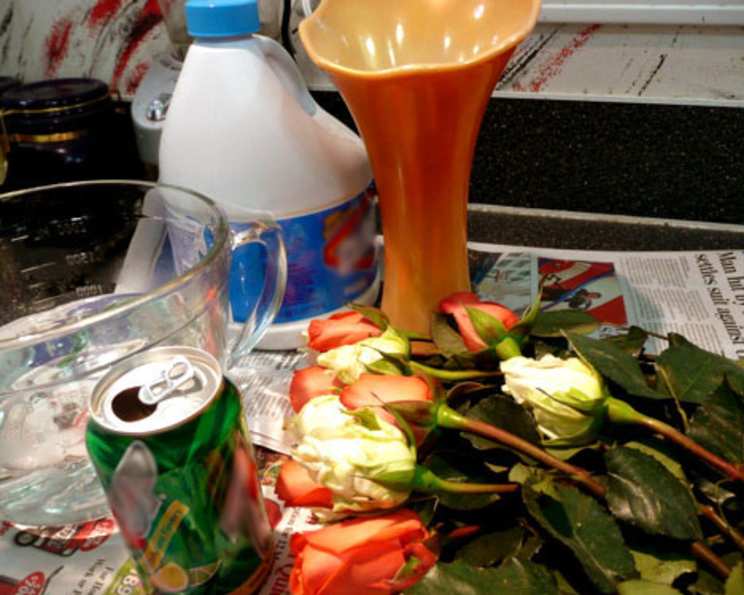
The Secret to Everlasting Blooms: Cut Flower Preservative #1
It happened every spring. My grandmother, Nana Elsie, with hands permanently stained green from the garden, would bring armfuls of daffodils, tulips, and hyacinths into the house. The riot of color and heady fragrance would fill our small kitchen. What always struck me, though, wasn’t just the beauty of the flowers, but how long they lasted. While others’ bouquets would wilt and fade within days, Nana Elsie’s seemed to defy time, staying vibrant and fresh for what seemed like weeks. Her secret, I discovered years later, wasn’t some mystical gardening spell, but a simple, effective homemade flower preservative.
Recipe Overview
- Prep Time: 5 minutes
- Total Time: 5 minutes
- Yields: 4 cups
- Dietary Type: Not Applicable
Ingredients
- 2 cups carbonated lemon-lime beverage, such as Sprite or 7-Up
- ½ teaspoon household bleach
- 2 cups warm water (tap water is okay but if it is high in salts and fluorides distilled is better)
Equipment Needed
- Measuring cups
- Measuring spoons
- Vase or container for flowers
Instructions
- Begin by preparing your flowers. Carefully discard any decaying leaves or spent blooms. Remove any foliage that would be submerged below the waterline in your vase, as this will decompose and contaminate the water. It’s better to be a bit ruthless here; less is more. Also, prune any unnecessary leaves that might draw energy away from the blooms.
- Next, trim the bottom ends of the flower stems using a sharp knife or floral shears. Make the cut at an angle, ensuring a clean, slanted surface. This is crucial for maximizing the surface area available for water absorption and prevents the stems from resting flat on the bottom of the vase, which could impede water uptake.
- In a clean vase or container, mix together the carbonated lemon-lime beverage, household bleach, and warm water. It is vital to use warm water, ideally between 100-110 degrees Fahrenheit (38-40 degrees Celsius). Warm water molecules move more freely and are absorbed by the stems more efficiently than cold water.
- Once the solution is thoroughly mixed, carefully arrange your flowers in the prepared vase. Ensure that the stems are adequately submerged in the preservative mixture.
- Be sure to replace the solution and trim stems every few days to extend the life of your cut flowers.
Expert Tips & Tricks
- The Bleach Balance: The small amount of bleach is critical. It acts as an antibacterial agent, preventing the growth of microorganisms that can clog the stems and hasten the flowers’ demise. Too much bleach, however, can damage the flowers. Stick to the recommended ½ teaspoon per 4 cups of solution.
- The Sugar Boost: The lemon-lime soda provides sugar, which acts as food for the flowers, helping them maintain their vibrant color and structure. However, the acidity in the soda also helps to inhibit bacterial growth.
- Water Quality Matters: If your tap water is heavily treated or contains high levels of minerals, consider using distilled or filtered water. This will prevent the buildup of deposits that can block the stems.
- Don’t Forget the Foliage: While removing leaves below the waterline is essential, don’t neglect the leaves above. Mist the foliage regularly with water to keep them hydrated and prevent them from drying out.
- Dealing with Milky Sap: Some flowers, such as poinsettias and poppies, have a milky sap that can impede water absorption. To prevent this, dip the bottom ½ inch of the stems in boiling water for about 30 seconds, or briefly sear the tips with a lighter or flame. This will cauterize the sap and allow the flowers to drink freely.
- Watch the Fruit Bowl: Keep your cut flowers away from ripening fruit, especially bananas and apples. These fruits release ethylene gas, which accelerates the ripening process in flowers, causing them to wilt and fade prematurely.
Serving & Storage Suggestions
Once your flowers are arranged in the preservative solution, display them in a cool location, away from direct sunlight and drafts. Direct sunlight can cause the flowers to overheat and dry out, while drafts can dehydrate them. Ideally, a room with a consistent temperature and good air circulation is best. Change the water and re-trim the stems every 2-3 days to maximize their lifespan. There’s no “storage” in the traditional sense, as you’re aiming to keep them hydrated and fresh in the vase.
Nutritional Information
Since this recipe is not intended for consumption, there are no applicable nutritional values.
Variations & Substitutions
- DIY Lemon-Lime Soda: If you prefer a more natural approach, you can create your own lemon-lime soda substitute. Combine equal parts lemon juice, lime juice, and simple syrup (equal parts sugar and water, heated until dissolved). Dilute with carbonated water to achieve the desired fizz.
- Vinegar Alternative: In place of bleach, a teaspoon of white vinegar can be used. Vinegar also acts as an antibacterial agent, helping to prevent bacterial growth in the water.
- Aspirin Addition: Some gardeners swear by adding a crushed aspirin tablet to the water. Aspirin is believed to help lower the pH of the water, making it more acidic and inhibiting bacterial growth.
- Penny Trick: An old wives’ tale suggests that dropping a copper penny into the vase can help keep flowers fresh. The copper is believed to act as an antifungal agent.
FAQs (Frequently Asked Questions)
Q: Why is it important to trim the stems at an angle?
A: Cutting the stems at an angle increases the surface area available for water absorption, ensuring that the flowers receive adequate hydration. It also prevents the stems from resting flat on the bottom of the vase, which can block water uptake.
Q: Can I use tap water instead of distilled water?
A: Tap water is generally fine, but if your tap water is heavily treated with chlorine or contains high levels of minerals, distilled water is a better option. These substances can clog the stems and shorten the flowers’ lifespan.
Q: How often should I change the water and re-trim the stems?
A: Ideally, you should change the water and re-trim the stems every 2-3 days. This will help to remove any bacteria or debris that may have accumulated and ensure that the flowers continue to receive adequate hydration.
Q: Will this preservative work for all types of flowers?
A: This preservative is generally effective for most types of cut flowers. However, some flowers may have specific needs or require different types of preservatives. For example, woody-stemmed flowers may benefit from having their stems split or crushed to aid water absorption.
Q: Is the bleach harmful to my pets?
A: While the concentration of bleach in this preservative is very low, it’s still best to keep the vase out of reach of pets. Ingesting the solution could cause mild stomach upset.
Final Thoughts
Nana Elsie’s simple flower preservative was more than just a recipe; it was a lesson in resourcefulness, a connection to nature, and a reminder that beauty can be preserved with a little care and ingenuity. So, the next time you bring a bouquet of flowers into your home, skip the expensive store-bought preservatives and try this simple, time-tested recipe. You’ll be amazed at how long your blooms will last, bringing joy and color to your life for days, maybe even weeks, to come. Share your experience and variations – let’s keep the floral magic alive!