
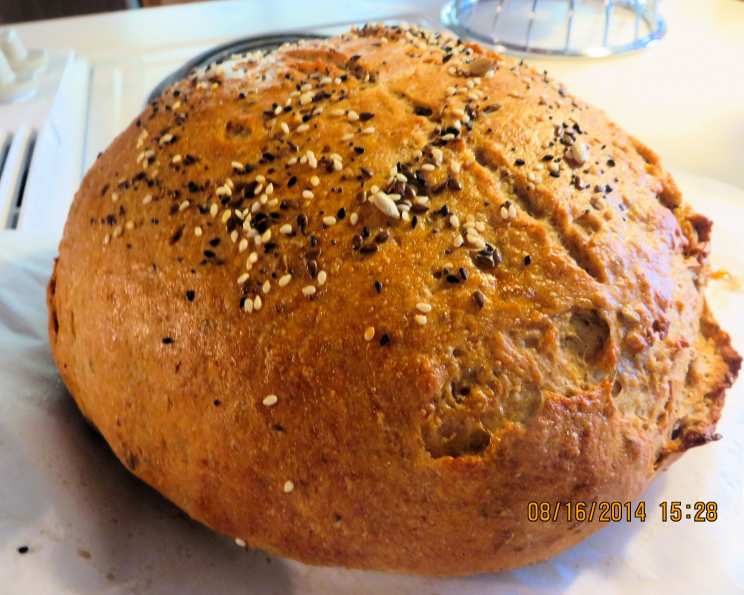
Czech Sourdough Rye Bread [Šumava] in Bread Machine
The aroma of Šumava bread is forever etched in my memory. It takes me back to a small, family-run bakery in Prague, tucked away on a cobblestone street. Each morning, the scent of caraway and warm rye would spill out onto the street, beckoning passersby. I remember biting into a slice, the dense, chewy texture a perfect counterpoint to the slightly tangy sourdough, a flavor that represented the heart of Czech baking.
Recipe Overview
- Prep Time: 15 minutes
- Cook Time: 1 hour
- Total Time: 24 hours 15 minutes (includes rise time)
- Servings: 8
- Yield: 1 2lb loaf
- Dietary Type: Dairy-Free (can be vegan with appropriate non-dairy milk)
Ingredients
- 1 cup non-dairy milk (such as almond, soy, or oat milk)
- 1 tablespoon salt
- 1 tablespoon honey
- 1 cup sourdough starter (thick rye-based)
- 1 1/2 cups rye flour
- 1 cup bread flour
- 3/4 cup wheat flour
- 1/2 cup grated half-baked potato (cooled)
- 5 tablespoons wheat gluten
- 2 teaspoons caraway seeds
Equipment Needed
- Bread machine
Instructions
-
Prepare the Ingredients: Ensure your ingredients are measured accurately and ready to go. It is critical that your sourdough starter is active and bubbly for the best results. Slightly warm the non-dairy milk to encourage yeast activity.
-
Add Ingredients to Bread Machine: Follow the order specified in your bread machine’s manual for adding ingredients. Typically, liquids go in first, followed by dry ingredients. Begin by adding the non-dairy milk to the bread machine pan.
-
Layer the Dry Ingredients: Add the salt and honey to the liquid. Then, add the sourdough starter. Next, add the rye flour, bread flour, and wheat flour.
-
Add the Remaining Ingredients: Add the grated half-baked potato, wheat gluten, and caraway seeds on top of the flour. Make sure that the salt is not on top of the yeast.
-
Select Dough Cycle: Choose the dough cycle on your bread machine. This cycle will mix and knead the ingredients, and then allow the dough to rise.
-
First Rise (Bulk Fermentation): Allow the dough to rise in the bread machine for up to 24 hours, or until it has approximately doubled in size. The exact time will depend on the strength of your sourdough starter and the ambient temperature. Check the dough periodically.
-
Baking: Once the dough has risen, set the bread machine to the bake cycle. Bake for one hour.
-
Cooling: Once baking is complete, carefully remove the bread from the bread machine pan. Place it on a wire rack to cool completely before slicing. This is very important to prevent a gummy texture.
Expert Tips & Tricks
- Sourdough Starter: A healthy and active rye-based sourdough starter is crucial for the flavor and rise of this bread. If your starter is not very active, you can feed it multiple times before using it in the recipe to strengthen it.
- Grating the Potato: Half-baking the potato before grating helps to gelatinize the starches, which will contribute to the bread’s moistness and texture. Make sure the potato is cooled before adding it to the bread machine.
- Wheat Gluten: Don’t skip the wheat gluten! Rye flour is low in gluten, so the added wheat gluten provides structure and helps the bread to rise.
- Proofing: During the bulk fermentation (rising) stage, monitor your dough closely. The amount of time required for the dough to double in size will vary depending on the strength of your starter and the temperature of your kitchen. A warm environment will accelerate the process.
- Even Baking: If you find that the crust is getting too dark before the inside is fully cooked, you can tent the top of the bread with foil during the last 15-20 minutes of baking.
Serving & Storage Suggestions
Šumava bread is best served sliced and enjoyed with butter, cheese, or your favorite sandwich fillings. It also pairs perfectly with hearty soups and stews, mirroring the traditional Czech way of eating.
To store, wrap the cooled bread tightly in plastic wrap or place it in an airtight container. It will stay fresh at room temperature for 2-3 days. For longer storage, you can freeze the bread for up to 2 months. When freezing, slice the bread first for easier thawing. To reheat, thaw at room temperature and then warm in a low oven (around 300°F/150°C) for 10-15 minutes, or toast slices individually.
Nutritional Information
Please note that these values are estimates and can vary depending on specific ingredients used.
| Nutrient | Amount per Serving | % Daily Value |
|---|---|---|
| Calories | 198 kcal | N/A |
| Total Fat | 1.9 g | 2% |
| Saturated Fat | 0.8 g | 4% |
| Cholesterol | 4.3 mg | 1% |
| Sodium | 888.7 mg | 37% |
| Total Carbohydrate | 39.9 g | 13% |
| Dietary Fiber | 4.3 g | 17% |
| Sugars | 2.5 g | N/A |
| Protein | 6.5 g | 12% |
Variations & Substitutions
- Gluten-Free: While it’s challenging to replicate the exact texture of Šumava bread without gluten, you can experiment with gluten-free rye flour and add a blend of gluten-free flours and binders like xanthan gum to achieve a similar loaf. Note that the bread machine might not be the best tool for a fully gluten-free version due to density, an oven may be required.
- Seed Variations: Add other seeds such as sunflower seeds, poppy seeds, or flax seeds for added flavor and texture. Incorporate them with the caraway seeds.
- Sweetness: Adjust the amount of honey to suit your taste preferences. You can also use maple syrup as a substitute.
FAQs (Frequently Asked Questions)
Q: Can I use a different type of sourdough starter?
A: While a rye-based sourdough starter is traditional for Šumava bread, you can use a wheat-based starter, but it will slightly alter the flavor profile.
Q: What if my dough doesn’t double in 24 hours?
A: The rising time depends on the activity of your starter and the room temperature. Give it more time; it might need up to 36 hours if your starter is slow or the room is cold.
Q: Can I bake this bread in a regular oven instead of a bread machine?
A: Yes! After the dough cycle is complete, shape the dough into a round or oblong loaf, place it on a baking sheet, let it rise for another hour, and then bake in a preheated oven at 375°F (190°C) for 45-50 minutes.
Q: Why is my bread so dense?
A: This bread is naturally dense due to the rye flour. However, make sure your sourdough starter is active and you’re not using too much flour, which can also contribute to density.
Q: Can I reduce the amount of salt?
A: While you can reduce the salt slightly, salt is important for flavor and for controlling the yeast activity. Reducing it too much might affect the rise and texture of the bread.
Final Thoughts
This Czech Sourdough Rye Bread, or Šumava, recipe brings a taste of Central Europe right to your kitchen. The process of nurturing the sourdough, the earthy aroma of rye, and the satisfying chew of the final loaf are all part of a beautiful culinary experience. Don’t hesitate to experiment with variations, and please share your feedback – happy baking!