
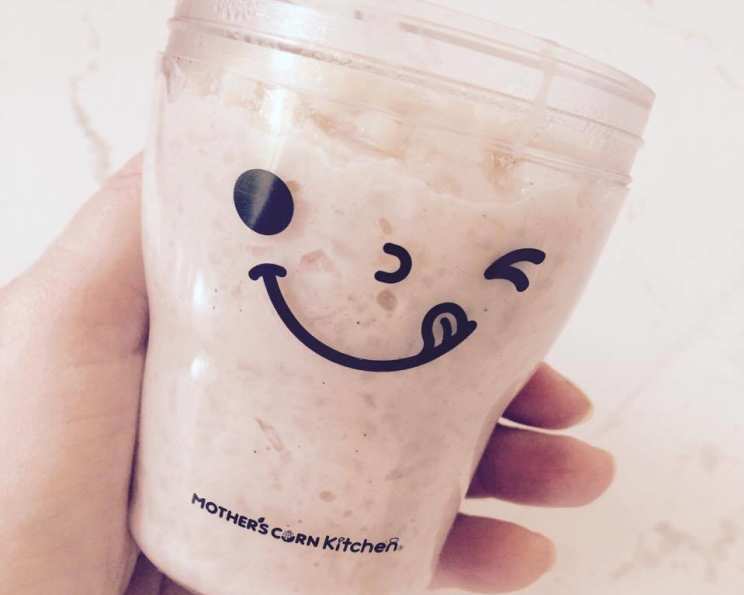
Dairy-Free Coconut Rice Pudding: A Taste of Tropical Comfort
I remember the first time I tasted rice pudding. It was at my grandmother’s house, a comforting bowl of warmth on a chilly autumn evening. The creamy texture and sweet, subtle spice were like a hug in a bowl. But, as I developed a dairy intolerance, I thought those comforting flavors were lost to me. Until, that is, I discovered the magic of coconut milk! This dairy-free coconut rice pudding perfectly recreates that comforting feeling, replacing dairy with the tropical creaminess of coconut, adding a depth of flavor my grandmother’s version never had.
Recipe Overview
- Prep Time: 5 minutes
- Cook Time: 20 minutes
- Total Time: 25 minutes
- Servings: 6
- Dietary Type: Dairy-Free, Vegan, Gluten-Free
Ingredients
- ½ cup basmati rice, rinsed
- 2 cups light coconut milk
- 2 cups water
- ½ cup sugar
- 1 teaspoon cinnamon
- 1 teaspoon vanilla extract
Equipment Needed
- Medium saucepan
- Whisk or spoon
Instructions
-
In a medium saucepan, combine the ½ cup of rinsed basmati rice, 2 cups of light coconut milk, 2 cups of water, and ½ cup of sugar.
-
Bring the mixture to a boil over medium-high heat, stirring occasionally to prevent sticking. This typically takes about 5-7 minutes. Keep a close watch to prevent boil-over, especially as the mixture begins to thicken.
-
Once boiling, reduce the heat to low, cover the saucepan, and simmer for 20 minutes, stirring occasionally. Be sure to scrape the bottom of the pan to prevent the rice from sticking and burning. The mixture should thicken as the rice cooks and absorbs the liquid.
-
After 20 minutes, remove the saucepan from the heat. Stir in 1 teaspoon of cinnamon and 1 teaspoon of vanilla extract. The pudding will continue to thicken as it cools.
-
Serve warm or chilled. If the pudding becomes too thick upon cooling, you can thin it with a splash of water or more coconut milk to reach your desired consistency.
Expert Tips & Tricks
- Rice Selection: While basmati rice is recommended for its delicate flavor and fluffy texture, you can experiment with other types of rice like jasmine or even short-grain rice. Short-grain rice will result in a creamier, stickier pudding.
- Coconut Milk Choice: Light coconut milk is used in this recipe to balance richness and calorie content. For an even richer, more decadent pudding, substitute full-fat coconut milk. Be aware that full-fat coconut milk might require slightly more liquid as it cooks.
- Sweetness Adjustment: The amount of sugar can be adjusted to your preference. Start with ½ cup and add more to taste after the pudding has finished cooking. Consider using alternative sweeteners like maple syrup or agave nectar for a different flavor profile.
- Preventing Sticking: The key to preventing the rice from sticking to the bottom of the pan is to stir frequently, especially during the simmering stage. A heavy-bottomed saucepan will also help distribute heat more evenly and reduce the risk of burning.
- Flavor Infusion: For a deeper cinnamon flavor, add a cinnamon stick to the saucepan along with the other ingredients. Remove the cinnamon stick before serving. Other spices like cardamom, nutmeg, or ginger can also be added for a unique twist.
- Creamy Consistency: If you prefer an extra-creamy pudding, you can blend a portion of the cooked pudding using an immersion blender or regular blender before adding the cinnamon and vanilla. Be careful when blending hot liquids.
Serving & Storage Suggestions
This dairy-free coconut rice pudding is delicious served warm, straight from the saucepan. It’s equally enjoyable chilled, making it a perfect make-ahead dessert.
- Serving: Garnish with a sprinkle of ground cinnamon, a drizzle of maple syrup, or fresh berries. Toasted coconut flakes or chopped nuts add a delightful textural contrast.
- Storage: Store leftover rice pudding in an airtight container in the refrigerator for up to 4 days. The pudding will thicken as it cools.
- Reheating: Reheat gently in a saucepan over low heat, stirring frequently, or in the microwave in 30-second intervals, stirring in between. Add a splash of water or coconut milk if needed to restore the desired consistency.
- Freezing: While not ideal, rice pudding can be frozen for up to 2 months. The texture may change slightly upon thawing, becoming a bit grainier. Thaw overnight in the refrigerator and reheat gently, adding liquid as needed.
Nutritional Information
| Nutrient | Amount per Serving | % Daily Value |
|---|---|---|
| Calories | 124.6 kcal | N/A |
| Total Fat | 4 g | 3% |
| Saturated Fat | 0.1 g | 0% |
| Cholesterol | 0 mg | 0% |
| Sodium | 3.7 mg | 0% |
| Total Carbohydrate | 29 g | 9% |
| Dietary Fiber | 0.8 g | 3% |
| Sugars | 16.9 g | 67% |
| Protein | 1.2 g | 2% |
Note: Nutritional information is an estimate and may vary based on specific ingredients and portion sizes.
Variations & Substitutions
- Fruit Infusion: Add ½ cup of dried cranberries, cherries, or raisins to the saucepan at the beginning of the cooking process. They will plump up and add a burst of fruity sweetness to the pudding. Fresh berries can also be stirred in after cooking.
- Spice Variations: Experiment with different spices to create unique flavor combinations. Try adding a pinch of cardamom, nutmeg, or ginger to the saucepan along with the cinnamon.
- Chocolate Coconut Rice Pudding: Stir in 2 tablespoons of cocoa powder and 2 tablespoons of chocolate chips after removing the pudding from the heat.
- Nutty Delight: Add ¼ cup of chopped nuts, such as almonds, walnuts, or pecans, to the saucepan along with the other ingredients.
- Sweetener Alternatives: Replace the sugar with maple syrup, agave nectar, or stevia. Adjust the amount to your desired sweetness level.
- Plant-Based Milk Variations: While coconut milk is the star of this recipe, you can experiment with other plant-based milks, such as almond milk, soy milk, or oat milk. Keep in mind that the flavor and texture of the pudding may vary slightly.
FAQs (Frequently Asked Questions)
Q: Can I use brown rice instead of basmati rice?
A: Yes, you can use brown rice, but it will require a longer cooking time (approximately 45-50 minutes) and may need more liquid. The texture will also be chewier compared to basmati rice.
Q: Is it necessary to rinse the rice before cooking?
A: Rinsing the rice helps remove excess starch, which can prevent the pudding from becoming too sticky. It’s a recommended step, but not strictly necessary.
Q: Can I make this recipe ahead of time?
A: Absolutely! This rice pudding is a great make-ahead dessert. It can be stored in the refrigerator for up to 4 days and reheated gently when ready to serve.
Q: My rice pudding is too thick. How can I thin it out?
A: Simply add a splash of water or coconut milk to the pudding and stir until you reach your desired consistency.
Q: Can I use a different type of sugar?
A: Yes, you can substitute the sugar with other sweeteners like maple syrup, agave nectar, or even brown sugar. Keep in mind that these substitutions may slightly alter the flavor and color of the pudding.
Final Thoughts
This dairy-free coconut rice pudding is more than just a recipe; it’s a warm hug in a bowl, a comforting reminder of simpler times, and a testament to the delicious possibilities of dairy-free cooking. I encourage you to try this recipe and experience the creamy, tropical goodness for yourself. Don’t be afraid to experiment with different flavors and toppings to create your own unique version. And please, share your creations and feedback – I’d love to hear how you make this recipe your own! Perhaps pair it with a fragrant cup of chai tea for a truly cozy experience. Happy cooking!