
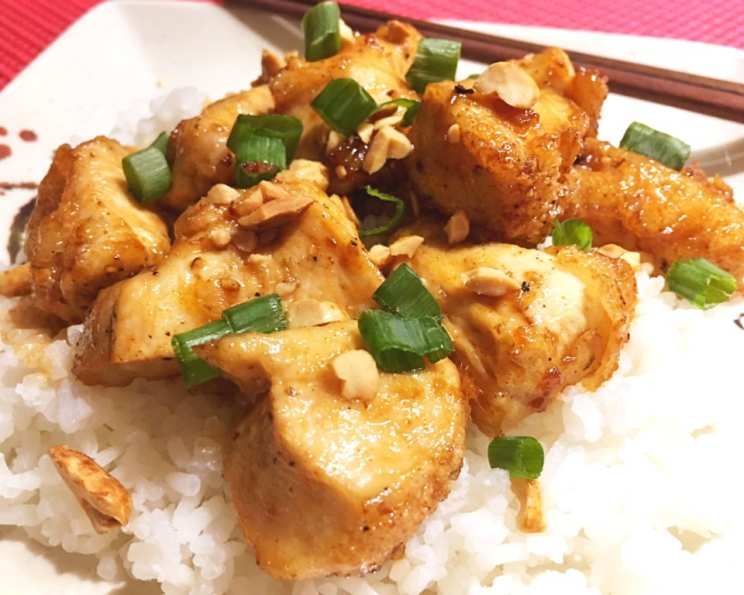
Dakgangjeong: Sweet & Spicy Crispy Korean Chicken
The first time I had Dakgangjeong, I was wandering through the bustling streets of Seoul’s Myeongdong district. The vibrant colors, the tantalizing aromas, the sheer energy of the place was overwhelming. But then, I caught a whiff of something truly extraordinary – a sweet, spicy, and incredibly savory fragrance wafting from a small street vendor. It was Dakgangjeong, glistening under the warm lights, and one bite transported me. The crispy coating, the juicy chicken, the perfectly balanced sauce – it was a revelation. That little paper cup of chicken changed my culinary world forever, and I’ve been chasing that perfect Dakgangjeong experience ever since.
Recipe Overview
- Prep Time: 3 hours 30 minutes
- Cook Time: 15 minutes
- Total Time: 3 hours 45 minutes
- Servings: 4
- Dietary Type: Korean, Spicy, Savory
Ingredients
- 1 lb chicken breast, cut into 1 1/2-inch pieces
- 1/2 cup buttermilk
- 2 large garlic cloves, pressed
- 1/2 tablespoon fresh ginger, minced
- 1/2 teaspoon fresh ground black pepper (to taste)
- 1/4 teaspoon sea salt
- 1/2 cup cornstarch (substitute unbleached all-purpose flour)
- 4 cups canola oil, for frying
- 2 tablespoons peanuts, chopped for garnish
- 1 tablespoon green onion, chopped for garnish
Sauce
- 1/4 cup cooking rice wine (Shaoxing)
- 3 tablespoons rice vinegar
- 2 tablespoons low sodium soy sauce
- 1 tablespoon gochujang (hot pepper paste)
- 1/4 cup honey (to taste)
- 1/4 cup brown sugar
- 1 tablespoon sesame oil
- 2 large garlic cloves, pressed
- 1/2 tablespoon fresh ginger, minced
- 1/2 teaspoon fresh ground black pepper (to taste)
Equipment Needed
- Re-sealable plastic bag
- Bowl
- Heavy-bottom pan
- Large skillet
- Plate
- Spider strainer
- Wire rack
- Baking sheet lined with paper towel
Instructions
-
Place the chicken pieces in a re-sealable plastic bag and pour in the buttermilk. Stir to mix well, ensuring all the chicken is coated. Refrigerate for 3 hours. This buttermilk soak is essential for tenderizing the chicken and creating a juicy interior.
-
After 3 hours, drain the chicken well and transfer it to a bowl. Add the pressed garlic, minced ginger, black pepper, and sea salt. Marinate for 30 minutes, stirring occasionally to ensure the flavors penetrate evenly. This marinade infuses the chicken with a savory base that complements the sweet and spicy sauce.
-
In a heavy-bottom pan, pour about 1 inch of canola oil and heat it up until it reaches 350ºF (175°C). Use a thermometer to ensure accurate temperature control; this is crucial for achieving crispy, evenly cooked chicken.
-
While the oil is heating, prepare the sauce. In a large skillet over medium-high heat, combine the Shaoxing wine, rice wine vinegar, soy sauce, gochujang, honey, brown sugar, sesame oil, pressed garlic, minced ginger, and freshly ground black pepper.
-
Bring the sauce to a boil, then reduce the heat to medium-low and simmer for 5 minutes, or until the sauce thickens slightly. Stir frequently to prevent burning and ensure the sugar dissolves completely. The simmering process allows the flavors to meld together, creating a complex and balanced sauce.
-
Meanwhile, transfer the marinated chicken onto a plate and sprinkle the cornstarch over the chicken pieces, coating them well on all sides. Make sure each piece is evenly coated; this creates the signature crispy crust. If you don’t have cornstarch, unbleached all-purpose flour can be used as a substitute, though the resulting crust might not be as light and crispy.
-
Working in batches, carefully drop the chicken pieces one at a time into the hot oil. Be careful not to overcrowd the pan, as this will lower the oil temperature and result in soggy chicken. Cook for 4 minutes, or until golden brown and cooked through. The chicken should be crispy on the outside and juicy on the inside.
-
Using a spider strainer, remove the chicken pieces from the oil and place them on a wire rack (sitting on a baking sheet lined with paper towel). This is essential to prevent the chicken from becoming soggy. The wire rack allows air to circulate around the chicken, keeping it crispy.
-
Once all the chicken is fried, place the fried chicken in the skillet with the sauce and quickly toss to coat well. Ensure every piece is evenly coated in the glossy, flavorful sauce.
-
Serve immediately over a bed of rice and garnish with chopped peanuts and green onions. The contrasting textures and flavors of the crunchy peanuts and fresh green onions add the perfect finishing touch.
Expert Tips & Tricks
- The Secret to Crispy Chicken: The key to perfectly crispy Dakgangjeong is the double-frying technique. For even crispier results, fry the chicken once at a lower temperature (325°F) for 5 minutes, then remove and let it cool slightly. Then, increase the oil temperature to 350°F and fry again for 2-3 minutes until golden brown.
- Adjusting the Spice Level: Gochujang is the primary source of heat in this recipe. Adjust the amount of gochujang according to your preference. For a milder flavor, use less gochujang or mix it with a little bit of doenjang (Korean soybean paste) to mellow the heat.
- Make-Ahead Tip: The sauce can be made a day in advance and stored in the refrigerator. This allows the flavors to meld even further. Simply reheat the sauce before tossing it with the fried chicken.
Serving & Storage Suggestions
Dakgangjeong is best served immediately while it’s still crispy and the sauce is glossy. Serve it over a bed of steamed white rice or brown rice to balance the richness of the chicken. Garnish with chopped peanuts and green onions for added texture and flavor.
Leftovers can be stored in an airtight container in the refrigerator for up to 3 days. However, keep in mind that the chicken will lose some of its crispness over time. To reheat, spread the chicken out on a baking sheet and bake in a preheated oven at 350°F (175°C) for 5-10 minutes, or until heated through. Avoid microwaving, as this will make the chicken soggy.
Nutritional Information
| Nutrient | Amount per Serving | % Daily Value |
|---|---|---|
| Calories | 1199.65 kcal | N/A |
| Calories from Fat | 1054.75 kcal | 88% |
| Total Fat | 117.2 g | 721% |
| Saturated Fat | 10.025 g | 200% |
| Cholesterol | 36.925 mg | 49% |
| Sodium | 262 mg | 43% |
| Total Carbohydrate | 25.525 g | 34% |
| Dietary Fiber | 0.45 g | 7% |
| Sugars | 16.3 g | 260% |
| Protein | 13.375 g | 107% |
Note: Nutritional information is an estimate and may vary based on specific ingredients and preparation methods.
Variations & Substitutions
- Gluten-Free Dakgangjeong: Substitute the soy sauce with tamari, a gluten-free soy sauce alternative. Ensure the gochujang you use is also gluten-free, as some brands contain wheat.
- Vegetarian Dakgangjeong: Replace the chicken with firm tofu, cut into similar-sized pieces. Press the tofu to remove excess water before marinating and frying.
- Spicier Dakgangjeong: Add a pinch of gochugaru (Korean chili flakes) to the sauce for an extra kick. You can also use a spicier variety of gochujang.
- Honey-Free Dakgangjeong: Substitute the honey with maple syrup or agave nectar.
FAQs (Frequently Asked Questions)
Q: Can I use chicken thighs instead of chicken breast?
A: Yes, chicken thighs can be used as a substitute for chicken breast. They tend to be more flavorful and remain juicier during frying. Adjust the cooking time accordingly to ensure they are cooked through.
Q: How do I prevent the chicken from sticking to the pan while frying?
A: Make sure the oil is hot enough before adding the chicken. Also, avoid overcrowding the pan. Work in batches to maintain the oil temperature and prevent sticking.
Q: What if I don’t have Shaoxing wine?
A: If you don’t have Shaoxing wine, you can substitute it with dry sherry or mirin.
Q: Can I bake the chicken instead of frying it?
A: While frying yields the best results for crispness, you can bake the chicken as a healthier alternative. Toss the coated chicken pieces with a tablespoon of oil and bake at 400°F (200°C) for 20-25 minutes, flipping halfway through, until golden brown and cooked through. The texture won’t be as crispy as fried chicken, but it will still be delicious.
Q: How long does the sauce last in the refrigerator?
A: The sauce can be stored in an airtight container in the refrigerator for up to a week.
Final Thoughts
Dakgangjeong is more than just fried chicken; it’s an experience. It’s a symphony of sweet, spicy, and savory flavors, all wrapped in a delightfully crispy package. Don’t be intimidated by the ingredient list – the results are well worth the effort. Gather your ingredients, put on some music, and dive into the joy of creating this Korean culinary masterpiece. I encourage you to try this recipe and share your creations. Pair it with a refreshing Korean beer like Hite or Cass for an authentic Korean dining experience!