
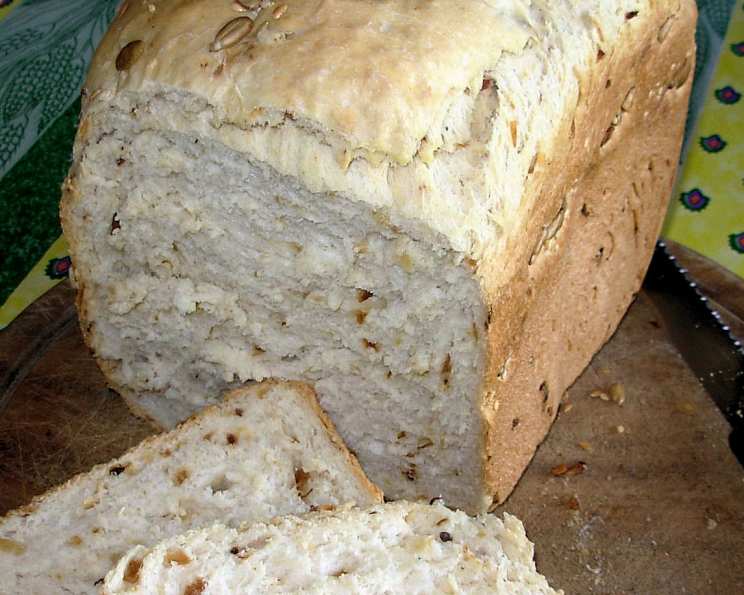
Danish Dill or Caraway Bread: A Taste of Hygge
The scent of dill always transports me back to my grandmother’s kitchen. She wasn’t Danish, but she had a deep appreciation for Scandinavian flavors, and her dill bread was a constant presence on her table. I remember the way the aroma would fill the air as I walked in the door, a warm and welcoming hug that promised comfort and deliciousness. The slightly tangy cottage cheese, the subtle sweetness, and that unmistakable dill aroma—it was a taste of pure love, and a tradition I’m excited to share.
Recipe Overview
- Prep Time: 30 minutes
- Cook Time: 1 hour
- Total Time: 2 hours 30 minutes (includes rising time)
- Yields: 2 loaves
- Serves: 20
- Dietary Type: Varies (see variations)
Ingredients
- 1 (1/4 ounce) package dry yeast
- 1/4 cup warm water
- 1 cup small curd cottage cheese
- 2 tablespoons sugar
- 1 tablespoon minced onion
- 1 tablespoon melted butter
- 2 tablespoons dill or 2 tablespoons caraway seeds
- 1 teaspoon salt
- 1/4 teaspoon baking soda
- 1 unbeaten egg
- 2 1/4 – 2 1/2 cups all-purpose flour
Equipment Needed
- Mixing bowls
- Measuring cups and spoons
- Two 9×5 inch loaf pans
- Small saucepan or microwave-safe bowl
- Whisk or spoon
Instructions
-
Begin by activating the yeast. In a small bowl, combine the dry yeast with the warm water. Let this mixture sit for about 5-10 minutes until it becomes foamy. This indicates that the yeast is active and ready to use.
-
While the yeast is proofing, prepare the cottage cheese mixture. In a saucepan or microwave-safe bowl, gently heat the cottage cheese until it is warm, but not hot. You want it to be comfortably warm to the touch.
-
Remove the cottage cheese from the heat and stir in the sugar, minced onion, melted butter, dill or caraway seeds, salt, and baking soda. Mix all of these ingredients together until they are well combined.
-
Add the unbeaten egg to the cottage cheese mixture and stir thoroughly.
-
Pour the proofed yeast into the cottage cheese mixture and mix well to combine all the wet ingredients.
-
Now it’s time to incorporate the flour. Gradually add the all-purpose flour, starting with 2 1/4 cups. Mix well after each addition. The goal is to create a stiff dough that is not sticky. You might need to add the remaining 1/4 cup of flour, or slightly more, depending on the humidity and the consistency of your cottage cheese.
-
Once the dough has come together, turn it out onto a lightly floured surface and knead it for a few minutes until it is smooth and elastic.
-
Place the dough in a greased bowl, turning to coat all sides. Cover the bowl with plastic wrap or a clean kitchen towel and let it rise in a warm place until it has doubled in size. This usually takes about 1 to 1.5 hours, depending on the temperature of your environment.
-
After the dough has doubled, punch it down to release the air.
-
Divide the dough in half and shape each half into a loaf.
-
Grease two loaf pans thoroughly with butter or cooking spray. Place each loaf into a prepared pan.
-
Cover the loaf pans with plastic wrap or a clean kitchen towel and let the loaves rise again in a warm place until they have doubled in size. This second rise usually takes about 30-45 minutes.
-
Preheat your oven to 350 degrees Fahrenheit (175 degrees Celsius).
-
Once the loaves have doubled in size, bake them in the preheated oven for about 1 hour.
-
To check for doneness, insert a wooden skewer or toothpick into the center of a loaf. If it comes out clean, the bread is done. You can also check the internal temperature with a thermometer; it should be around 200-210°F (93-99°C). If the top of the bread is browning too quickly, you can tent it with aluminum foil during the last 15-20 minutes of baking.
-
Remove the baked loaves from the oven and let them cool in the pans for about 10 minutes before transferring them to a wire rack to cool completely.
Expert Tips & Tricks
- For a richer flavor, use cultured butter in the recipe.
- If you prefer a softer crust, brush the tops of the loaves with melted butter immediately after removing them from the oven.
- To ensure even baking, rotate the loaf pans halfway through the baking time.
- If your kitchen is cold, create a warm environment for rising by placing the dough in an oven preheated to 170°F (77°C), then turning the oven off immediately.
- The key to a good rise is using fresh yeast. If you’re unsure about the age of your yeast, it’s best to test it before starting the recipe.
Serving & Storage Suggestions
Serve this Danish Dill or Caraway Bread warm or at room temperature. It’s delicious on its own, spread with butter, or as a side to soups, salads, and sandwiches. It also pairs wonderfully with smoked salmon or a creamy cheese.
To store leftovers, wrap the bread tightly in plastic wrap or place it in an airtight container. It will keep at room temperature for 2-3 days, in the refrigerator for up to a week, or in the freezer for up to 2 months. To reheat, wrap the bread in foil and warm it in a 350°F (175°C) oven for about 10-15 minutes, or until heated through. Frozen bread can be thawed at room temperature before reheating.
Nutritional Information
| Nutrient | Amount per Serving | % Daily Value |
|---|---|---|
| Calories | 77.7 kcal | N/A |
| Calories from Fat | N/A | N/A |
| Total Fat | 1.5 g | 2% |
| Saturated Fat | 0.8 g | 3% |
| Cholesterol | 13.8 mg | 4% |
| Sodium | 185.7 mg | 7% |
| Total Carbohydrate | 12.5 g | 4% |
| Dietary Fiber | 0.5 g | 1% |
| Sugars | 1.4 g | N/A |
| Protein | 3.3 g | 6% |
Note: Nutritional information is an estimate and may vary based on specific ingredients and portion sizes.
Variations & Substitutions
- Gluten-Free: Substitute the all-purpose flour with a gluten-free flour blend designed for baking. You might need to adjust the amount of flour and add a binding agent like xanthan gum to improve the texture.
- Dairy-Free: Replace the cottage cheese with a dairy-free cottage cheese alternative. Ensure the butter used is also dairy-free.
- Vegan: Substitute the cottage cheese with a mashed silken tofu mixture, the butter with a vegan butter alternative, and the egg with a flax egg (1 tablespoon ground flaxseed mixed with 3 tablespoons water, let sit for 5 minutes to thicken).
- Herbed Variation: Add other herbs like rosemary, thyme, or oregano along with the dill or caraway seeds for a more complex flavor profile.
- Sweet Variation: Add raisins or dried cranberries for a hint of sweetness. Increase the sugar to 1/4 cup for a noticeably sweeter bread.
FAQs (Frequently Asked Questions)
Q: Why is my bread dense and not rising properly?
A: This can be due to several factors, including using expired yeast, not letting the dough rise in a warm enough place, or adding too much flour. Make sure your yeast is fresh and proof it before using. Also, ensure the rising environment is warm.
Q: Can I use a stand mixer to make the dough?
A: Yes, you can use a stand mixer with a dough hook attachment. Mix the ingredients as directed until the dough comes together, then knead on low speed for 5-7 minutes until smooth and elastic.
Q: How do I prevent the bread from browning too quickly?
A: If the top of the bread is browning too quickly, tent it with aluminum foil during the last 15-20 minutes of baking.
Q: Can I freeze the dough for later use?
A: Yes, you can freeze the dough after the first rise. Punch it down, shape it into loaves, wrap them tightly in plastic wrap, and then place them in freezer bags. Thaw in the refrigerator overnight before letting them rise again and baking as directed.
Q: What if I don’t have cottage cheese? Is there a substitute?
A: While cottage cheese contributes to the unique texture of this bread, you could try substituting it with ricotta cheese. The flavor will be slightly different, but it will still provide a similar moisture content.
Final Thoughts
This Danish Dill or Caraway Bread is more than just a recipe; it’s an invitation to experience a taste of warmth, comfort, and hygge. I encourage you to try it, adapt it to your liking, and share it with loved ones. Whether you’re enjoying a quiet morning at home or hosting a festive gathering, this bread is sure to bring a smile to your face. Don’t hesitate to leave a comment and share your experience – I’d love to hear how it turns out for you! Skål!