
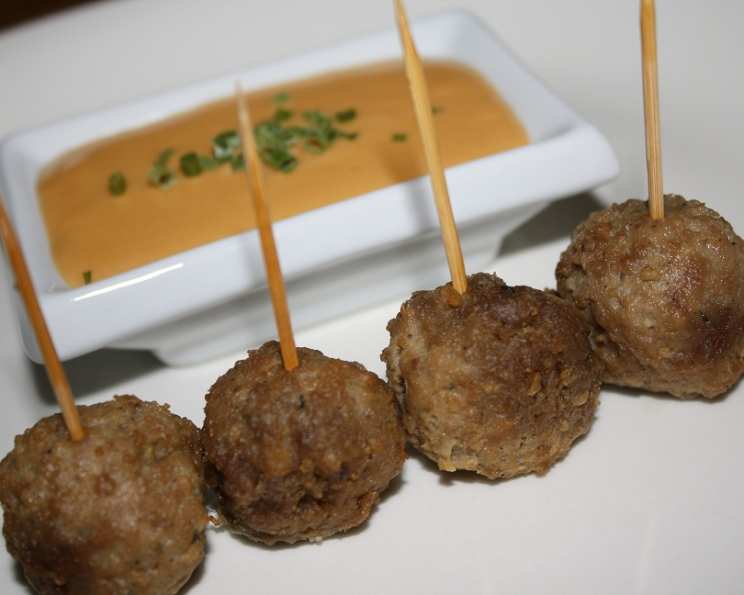
Fars: A Taste of Danish Comfort Food
The scent of warm spices and sizzling meat always takes me back to my grandmother’s kitchen. She wasn’t Danish, mind you, but she had a well-worn copy of a Scandinavian cookbook, and these Danish meatballs, known as fars, were one of her specialties. I remember being mesmerized as she’d patiently beat the meat mixture, her hands moving with a rhythm honed over decades, then carefully shape each little ball. The anticipation was almost unbearable, and the first bite, always taken standing right next to the stove, was pure, unadulterated joy. This recipe isn’t just about meatballs; it’s about connection, tradition, and a taste of hygge in every bite.
Recipe Overview
- Prep Time: 20 minutes
- Cook Time: 15-20 minutes
- Total Time: 35-40 minutes
- Servings: 4-6
- Yield: Varies depending on size of meatballs
- Dietary Type: Not Gluten-Free (contains flour)
Ingredients
- 8 ounces lean pork, minced up to 10 times (very finely minced)
- 8 ounces veal (or 8 ounces beef), minced up to 10 times (very finely minced)
- Salt and pepper, to taste
- 1 pinch nutmeg (or 1 pinch ground cloves)
- 1 egg (or 2 egg whites, lightly beaten)
- 3 tablespoons flour
- 1/2 – 3/4 cup soda water
- 1 small onion, grated
Equipment Needed
- Large Mixing Bowl
- Grater
- Measuring Cups and Spoons
- Skillet or Pot (depending on cooking method)
Instructions
- In a large mixing bowl, combine the finely minced pork and veal (or beef). The texture is key here; the finer the mince, the more tender the meatballs.
- Season the meat mixture generously with salt and pepper. Don’t be shy – these are essential for bringing out the flavors.
- Add a pinch of nutmeg (or ground cloves) for a warm, aromatic depth. Choose your spice based on your preference, but remember a little goes a long way.
- Stir in the egg (or lightly beaten egg whites). This acts as a binder, helping the meatballs hold their shape.
- In a separate small bowl, whisk the flour with the soda water until you have a smooth, lump-free slurry. Gradually add this mixture to the meat, stirring continuously to ensure even distribution. The soda water helps to create a lighter, more tender meatball.
- Finally, add the grated onion to the bowl. Grating ensures the onion integrates seamlessly into the meat mixture, adding flavor without chunks.
- Now comes the most important part: beat the meat mixture extremely well. This develops the protein structure and creates a springy, cohesive texture. You can use a stand mixer with a paddle attachment for this, or do it by hand for about 5-7 minutes.
- Cover the bowl with plastic wrap and place it in the refrigerator for at least 1 hour. This resting period allows the flavors to meld and the meat mixture to firm up, making it easier to shape.
- After chilling, shape the meat into balls. The size will depend on how you plan to use them. For Mock Turtle Soup, make small, bite-sized balls. For appetizers, aim for slightly larger, marble-sized balls. If you’re planning on making patties, flatten the mixture into round discs.
- To cook, choose your preferred method:
- Boiling (for Mock Turtle Soup): Gently drop the small meatballs into simmering water and cook for a few minutes, until they are cooked through.
- Frying (for appetizers or patties): Heat a skillet over medium heat with a little oil or butter. Fry the meatballs or patties until they are browned on all sides and cooked through. Ensure they are cooked all the way through.
- Cook the meatballs until they are done. Cut into one to check for doneness.
- Always cook one meatball first to test the consistency and seasoning. Adjust salt, pepper, or spices as needed before cooking the rest. Remember, taste and adjust!
- Beat the meat mixture again, just before cooking, to ensure everything is well combined.
Expert Tips & Tricks
- The key to tender meatballs is the fineness of the mince. If possible, ask your butcher to mince the meat multiple times.
- Don’t overcook the meatballs. Overcooked meatballs will be dry and tough. Aim for a golden-brown exterior and a moist interior.
- For extra flavor, try adding a teaspoon of Dijon mustard or Worcestershire sauce to the meat mixture.
- If the meat mixture is too wet, add a little more flour, a tablespoon at a time, until it reaches the desired consistency.
- Make-ahead tip: You can prepare the meat mixture up to 24 hours in advance. Store it in the refrigerator, covered, until ready to shape and cook.
Serving & Storage Suggestions
- Serving: Serve the meatballs hot. For appetizers, serve with a dipping sauce such as a creamy dill sauce, a sweet chili sauce, or a simple aioli. For Mock Turtle Soup, add the boiled meatballs to the soup during the last few minutes of cooking.
- Storage: Store leftover cooked meatballs in an airtight container in the refrigerator for up to 3 days.
- Freezing: Cooked meatballs can be frozen for up to 2 months. Thaw them in the refrigerator overnight before reheating.
- Reheating: Reheat meatballs in a skillet over medium heat, in the oven at 350°F (175°C), or in the microwave. Add a little water or broth to the skillet or oven to prevent them from drying out.
Nutritional Information
| Nutrient | Amount per Serving | % Daily Value |
|---|---|---|
| Calories | 320 kcal | 16% |
| Total Fat | 20g | 31% |
| Saturated Fat | 8g | 40% |
| Cholesterol | 150mg | 50% |
| Sodium | 200mg | 9% |
| Total Carbohydrate | 8g | 3% |
| Dietary Fiber | 1g | 4% |
| Sugars | 2g | N/A |
| Protein | 25g | 50% |
Note: Nutritional information is an estimate and may vary based on specific ingredients and portion sizes.
Variations & Substitutions
- Gluten-Free: Substitute the all-purpose flour with a gluten-free flour blend. You might need to adjust the amount of liquid slightly to achieve the right consistency.
- Dairy-Free: This recipe is naturally dairy-free.
- Spice Variations: Experiment with different spices such as smoked paprika, garlic powder, or onion powder.
- Meat Variations: Substitute ground chicken or turkey for the pork and veal (or beef).
- Herb Variations: Add fresh herbs such as chopped parsley, dill, or chives to the meat mixture for a brighter flavor.
FAQs (Frequently Asked Questions)
Q: Why is it important to mince the meat so finely?
A: Finely minced meat results in a more tender and cohesive meatball. The texture is crucial for the overall mouthfeel and prevents the meatballs from being tough or crumbly.
Q: Can I use only beef instead of pork and veal?
A: Yes, you can use all beef if you prefer, but the flavor and texture will be slightly different. The combination of pork and veal (or beef) creates a richer, more complex flavor.
Q: What can I use if I don’t have soda water?
A: You can substitute club soda or sparkling water for the soda water. The carbonation helps to lighten the meat mixture. In a pinch, you can use regular water, but the texture may be slightly denser.
Q: How do I prevent the meatballs from sticking to the pan when frying?
A: Make sure the pan is hot enough and that you are using enough oil or butter. Also, don’t overcrowd the pan, as this will lower the temperature and cause the meatballs to steam instead of brown.
Q: Can I bake these meatballs instead of frying or boiling them?
A: Yes, you can bake them at 375°F (190°C) for about 20-25 minutes, or until they are cooked through and golden brown. Line a baking sheet with parchment paper to prevent sticking.
Final Thoughts
Now that you have the secrets to making these delicious Danish meatballs, I encourage you to give them a try! Share them with your loved ones, experiment with different flavor combinations, and make this recipe your own. Whether you serve them as an appetizer, a main course, or in a comforting soup, these fars are sure to be a hit. Don’t forget to let me know how they turn out – I’m always eager to hear your feedback and see your culinary creations! Skål!