
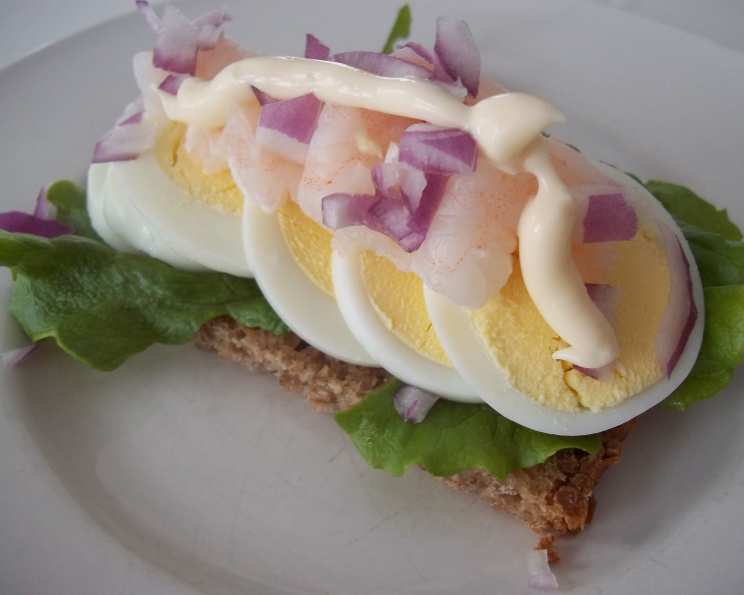
The Art of Smørrebrød: Crafting Authentic Danish Open-Faced Sandwiches
My earliest memory of smørrebrød involves a bustling Copenhagen market, the air thick with the scent of brine and freshly baked rye. My grandmother, a woman of impeccable taste and endless patience, guided me through rows of pickled herring, smoked fish, and mounds of vibrant toppings. She meticulously assembled each sandwich, a tiny masterpiece reflecting the season and her love for tradition. The explosion of flavors and textures in that first bite sparked a lifelong appreciation for this iconic Danish culinary tradition, one I’m thrilled to share with you.
Recipe Overview
- Prep Time: 20 minutes
- Cook Time: 0 minutes
- Total Time: 20 minutes
- Servings: 4
- Yield: 4 open-faced sandwiches
- Dietary Type: Varies based on toppings; can be adapted to be gluten-free or dairy-free
Ingredients
- 4 pieces dark bread, thinly sliced (See notes below on bread substitutions)
- Butter, for spreading
- 8 ounces pickled herring (optional, of various varieties including plain marinated herring ‘marinerede sild’, spiced ‘kryddet’)
- Thinly-sliced cheese (optional, in many varieties)
- Processed meat, in thin slices (optional, or cured meat slices)
- Smoked fish fillet (optional, such as salmon or mackerel in tomato sauce)
- Pickled cucumber (optional, or sliced cucumber)
- Sliced hard-boiled egg (optional)
- Tomatoes, slices (optional)
- Red onion, cut in thin rings (optional)
- Remoulade sauce (optional)
Ingredient Notes:
- Dark Bread: Authentic smørrebrød is traditionally made with rugbrød, a dense, dark Danish rye bread. If you can’t find rugbrød, look for the darkest, heaviest rye bread available at your local bakery. Vollkornbrot or pumpernickel bread are acceptable substitutions, especially the type found in larger supermarkets. Always slice the bread thinly.
- Pickled Herring: This is a classic ingredient but can be an acquired taste. Experiment with different varieties; some are sweet, some are spicy, and some are creamy.
- Remoulade Sauce: This Danish condiment is similar to tartar sauce but often includes finely chopped pickles, capers, and herbs. You can find it at some specialty stores or easily make your own.
Equipment Needed
- Cutting board
- Knife
- Small bowls (for holding toppings)
Instructions
- Prepare the Bread: Lightly butter each slice of dark bread. The butter acts as a barrier, preventing the bread from becoming soggy from the toppings.
- Select and Arrange Toppings: Choose your desired toppings. The possibilities are endless! Common choices include pickled herring, cheese, processed or cured meats, smoked fish, pickled cucumbers, sliced hard-boiled egg, tomato slices, and red onion rings.
- Layer the Ingredients: Artfully arrange the toppings on the buttered bread. Don’t be afraid to get creative with the presentation! The key is to build the sandwich high, creating a visually appealing and delicious combination of flavors and textures. Start with a base layer, such as lettuce or a spread, and then add the main ingredients.
- Add Sauces (Optional): If using, drizzle remoulade sauce or another desired sauce over the toppings.
- Serve Immediately: Smørrebrød is best enjoyed fresh.
Expert Tips & Tricks
- Balance Flavors: Think about how the different toppings will complement each other. A combination of salty, sweet, sour, and savory elements is ideal.
- Consider Texture: A good smørrebrød should have a variety of textures, from the smooth butter to the crisp cucumber to the flaky fish.
- Presentation Matters: Smørrebrød is a feast for the eyes as well as the palate. Take your time to arrange the toppings in an attractive way.
- Make Ahead (Partially): You can prep most of the toppings in advance. Slice the vegetables, cook the eggs, and have the herring and other meats ready to go. However, it’s best to assemble the sandwiches just before serving to prevent the bread from becoming soggy.
- Bread Storage: If you are not using all the bread, keep it wrapped tightly in plastic wrap at room temperature. This will help prevent it from drying out.
- Homemade Remoulade: For a truly authentic experience, make your own remoulade. There are many recipes available online, each with its own unique twist.
Serving & Storage Suggestions
Smørrebrød is traditionally served as a light lunch or a snack. It’s often eaten with a fork and knife, especially when the sandwiches are piled high with toppings. Serve with a cold beer or a glass of snaps for a truly Danish experience.
Leftover toppings should be stored separately in airtight containers in the refrigerator. They will generally keep for 2-3 days. Assembled smørrebrød is best eaten immediately, but can be stored in the fridge for a few hours if necessary. The bread may become slightly soggy, but the flavors will still be delicious.
Nutritional Information
(Note: Nutritional information is an estimate and will vary depending on the specific ingredients used.)
| Nutrient | Amount per Serving | % Daily Value |
|---|---|---|
| Calories | 350 kcal | 18% |
| Total Fat | 20g | 31% |
| Saturated Fat | 8g | 40% |
| Cholesterol | 80mg | 27% |
| Sodium | 800mg | 35% |
| Total Carbohydrate | 25g | 9% |
| Dietary Fiber | 3g | 11% |
| Sugars | 7g | – |
| Protein | 15g | 30% |
Variations & Substitutions
- Gluten-Free Smørrebrød: Use gluten-free rye bread or crackers.
- Vegetarian Smørrebrød: Substitute the meat and fish with vegetarian options like marinated tofu, grilled halloumi cheese, or roasted vegetables.
- Vegan Smørrebrød: Use vegan bread, vegan butter, and plant-based alternatives for meat, fish, and cheese. A mushroom pate or hummus can be delicious substitutes.
- Seasonal Variations: Adapt the toppings to the season. In the summer, use fresh tomatoes, cucumbers, and herbs. In the fall, use roasted squash, beets, and pickled onions.
- Spreads: Experiment with different spreads such as mustard, mayonnaise, or horseradish sauce.
FAQs (Frequently Asked Questions)
Q: Can I use regular rye bread if I can’t find dark Danish rye bread?
A: While dark Danish rye bread is the most authentic choice, you can certainly use regular rye bread as a substitute. Look for a hearty, dense rye bread that will hold up well to the toppings.
Q: How do I prevent the bread from getting soggy?
A: Buttering the bread before adding the toppings creates a barrier that helps prevent it from becoming soggy. Also, avoid using overly wet toppings.
Q: What are some good flavor combinations for smørrebrød?
A: Some popular combinations include pickled herring with red onion and dill, smoked salmon with cream cheese and cucumber, and roast beef with remoulade and crispy fried onions.
Q: Can I make smørrebrød ahead of time?
A: It’s best to assemble smørrebrød just before serving to prevent the bread from becoming soggy. However, you can prep the toppings in advance.
Q: What is the best way to store leftover toppings?
A: Store leftover toppings in airtight containers in the refrigerator. They will generally keep for 2-3 days.
Final Thoughts
Smørrebrød is more than just a sandwich; it’s a culinary art form, a reflection of Danish culture, and a celebration of simple, fresh ingredients. I encourage you to experiment with different toppings and create your own unique combinations. Don’t be afraid to get creative and have fun! And if you do try this recipe, I would love to hear about your experience and any variations you come up with. Skål!