
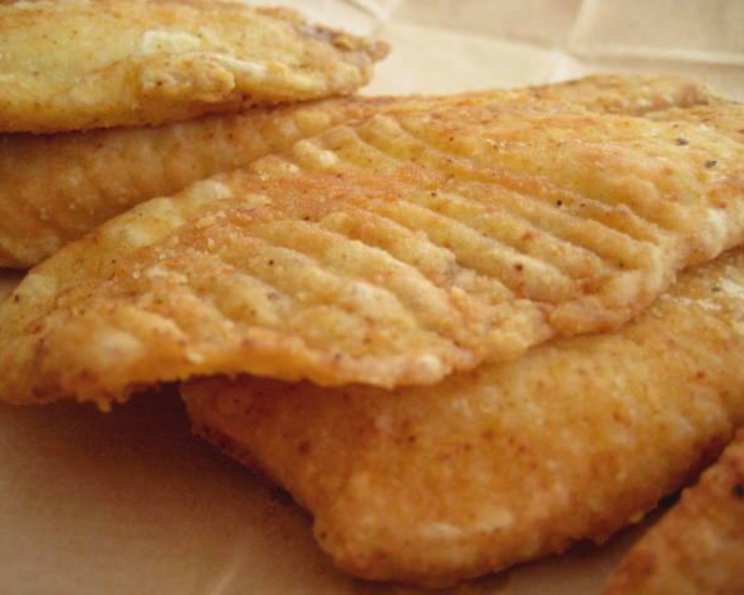
Crispy Golden Delight: Mastering the Art of Deep-Fried Tilapia
The scent of fried fish always takes me back to summer evenings at my grandmother’s house. Her tiny kitchen, usually filled with the aroma of simmering tomatoes and fresh basil, would transform into a flurry of activity as she prepared her famous fried tilapia. I remember standing on a stool, mesmerized as she dredged the delicate fillets in seasoned flour, the anticipation building with each sizzle in the hot oil. The crispy, golden-brown fish, served with a simple squeeze of lemon, was pure comfort food – a taste of home I’ve cherished ever since.
Recipe Overview
- Prep Time: 15 minutes
- Cook Time: 4 minutes
- Total Time: 19 minutes
- Servings: 4
- Dietary Type: Pescatarian
Ingredients
- 4 tilapia fillets
- 1 quart cooking oil (Canola, Peanut, or Crisco recommended)
- 1 1/2 cups seasoned flour (Kentucky Kernel brand recommended)
Equipment Needed
- 3- or 4-quart pan (for deep frying)
- Rack or wax paper
- Paper towels
Instructions
-
Begin by heating the cooking oil in a 3- or 4-quart pan. The key to crispy, non-greasy tilapia is ensuring the oil reaches a temperature of at least 375 degrees F. An easy way to test this (carefully!) is to flick a couple of drops of water from your fingertips into the oil. If they crackle vigorously, you’re ready to go. Use a thermometer for the most accurate reading.
-
Ensure the tilapia fillets are fully thawed and dry. Moisture is the enemy of crispy fish.
-
Thoroughly roll each tilapia fillet in the seasoned flour, making sure to coat all surfaces.
-
Shake off any excess flour. This is crucial to prevent the oil from becoming overly starchy and the coating from becoming too thick and gummy.
-
Place the floured fillets on a rack or wax paper and let them sit for 5-10 minutes. This allows the flour to adhere properly to the fish, creating a more secure coating during frying.
-
Roll the fillets in the flour a second time, again making sure to shake off any excess. This double coating ensures maximum crispiness.
-
Carefully deep fry the tilapia fillets, no more than two at a time. Overcrowding the pan will lower the oil temperature, resulting in soggy fish.
-
Turn each fillet once after about a minute, and continue frying until golden brown and cooked through. This should take less than 4 minutes total.
-
Remove the fillets when they are golden brown and the fish is white and flakey inside, at the thickest part of the fillet. Use a fork to gently check for flakiness. Do not overcook! Overcooked tilapia becomes dry and rubbery.
-
Place each fried tilapia fillet on paper towels to drain for a few seconds, removing excess oil.
-
Serve immediately and enjoy!
Expert Tips & Tricks
- Oil Temperature is Key: Maintaining a consistent oil temperature of 375°F (190°C) or higher is critical. Use a deep-fry thermometer to monitor the temperature and adjust the heat as needed.
- Don’t Overcrowd: Fry the fish in batches to prevent the oil temperature from dropping too low.
- Double Dredge: The double dredge in seasoned flour ensures a crispy coating that adheres well to the fish.
- Resting Period: Letting the floured fillets rest before frying allows the flour to hydrate and stick better, preventing it from falling off in the oil.
- Flavor Boost: For an extra layer of flavor, try adding a teaspoon of your favorite dried herbs or spices to the seasoned flour. Dried basil, oregano, paprika, or Old Bay seasoning are all great options.
- Preventing Soggy Fish: Ensure the tilapia is completely thawed and patted dry before dredging. Also, don’t skip shaking off excess flour.
- Reusing Oil: If you’re only frying fish, you can usually reuse the oil a couple of times. Let it cool completely, then strain it through a fine-mesh sieve lined with cheesecloth to remove any debris. Store it in an airtight container in a cool, dark place.
Serving & Storage Suggestions
Serve your crispy, golden-brown deep-fried tilapia immediately for the best flavor and texture. It’s delicious on its own with a squeeze of fresh lemon juice or tartar sauce, or as part of a fish sandwich or wrap. Classic side dishes like coleslaw, french fries, hushpuppies, and corn on the cob complement the dish beautifully.
Leftovers: Store leftover fried tilapia in an airtight container in the refrigerator for up to 3 days.
Reheating: To reheat, preheat your oven to 350°F (175°C). Place the fish on a baking sheet lined with parchment paper and bake for 10-15 minutes, or until heated through and crispy. You can also reheat in an air fryer for a similar result. Microwaving is not recommended, as it will make the fish soggy.
Storage Times:
- Room Temperature: Do not leave cooked tilapia at room temperature for more than 2 hours.
- Refrigerator: 3 days maximum.
- Freezer: Freezing is not recommended, as the texture will suffer.
Nutritional Information
Note: Nutritional information is an estimate and may vary based on specific ingredients and portion sizes.
| Nutrient | Amount per Serving | % Daily Value |
|---|---|---|
| Calories | 554 kcal | 28% |
| Total Fat | 37g | 57% |
| Saturated Fat | 5g | 25% |
| Cholesterol | 31mg | 10% |
| Sodium | 16mg | 1% |
| Total Carbohydrate | 24g | 8% |
| Dietary Fiber | 1g | 4% |
| Sugars | 0g | 0% |
| Protein | 32g | 64% |
Variations & Substitutions
- Gluten-Free: Use a gluten-free all-purpose flour blend instead of regular flour. You can also use almond flour or rice flour for a different texture.
- Spice it Up: Add a pinch of cayenne pepper or red pepper flakes to the seasoned flour for a kick of heat.
- Lemon Pepper: Mix lemon pepper seasoning into the flour for a zesty flavor.
- Other Fish: While tilapia works well, you can also use other white fish fillets, such as cod, haddock, or whiting. Adjust the cooking time as needed based on the thickness of the fillets.
- Air Fryer: For a healthier alternative, you can air fry the tilapia instead of deep frying. Preheat your air fryer to 400°F (200°C). Lightly spray the floured fillets with cooking oil and air fry for 8-10 minutes, flipping halfway through, until golden brown and cooked through.
- Herb Infusion: Experiment with different herbs in your flour mixture. Dill, parsley, or thyme can add a fresh and aromatic flavor.
FAQs (Frequently Asked Questions)
Q: What kind of oil is best for deep-frying tilapia?
A: Oils with a high smoke point, such as canola, peanut, or Crisco, are ideal for deep-frying. They can withstand the high temperatures needed without breaking down and imparting off-flavors.
Q: How do I prevent the fish from sticking to the pan?
A: Ensure the oil is hot enough before adding the fish, and don’t overcrowd the pan. A well-seasoned pan or using a non-stick pan can also help.
Q: How do I know when the tilapia is cooked through?
A: The fish is done when it’s golden brown on the outside and flakes easily with a fork in the thickest part of the fillet. The internal temperature should reach 145°F (63°C).
Q: Can I use frozen tilapia fillets?
A: Yes, but make sure to thaw them completely before cooking. Pat them dry with paper towels to remove excess moisture.
Q: Why is my fried fish soggy?
A: Soggy fish is usually caused by frying at too low of a temperature or overcrowding the pan. Make sure the oil is hot enough and fry in small batches.
Final Thoughts
There you have it – a simple yet satisfying recipe for deep-fried tilapia that’s sure to become a family favorite. This recipe brings back cherished memories of my grandmother’s kitchen, and I hope it brings you the same joy. Don’t hesitate to experiment with different seasonings and side dishes to make it your own. So go ahead, heat up that oil, and enjoy the crispy, golden goodness of homemade fried tilapia! Bon appétit!