
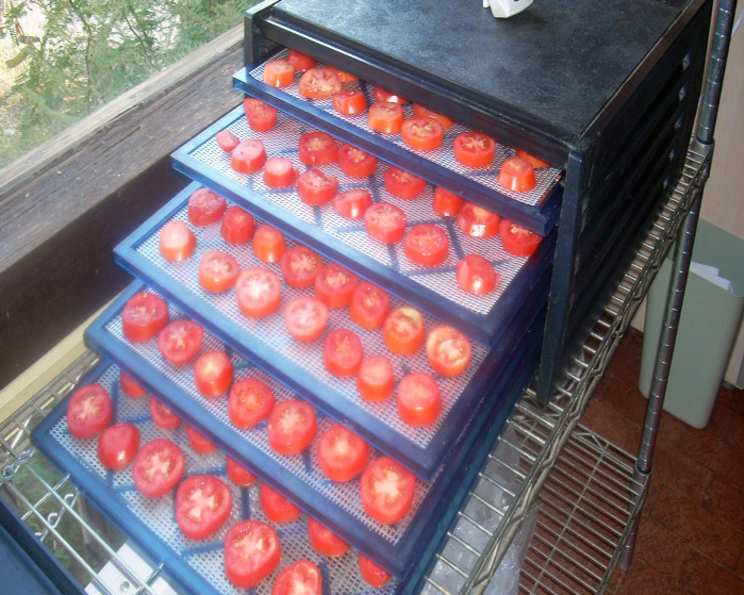
Sun-Kissed Goodness: Mastering the Art of Dehydrating Tomatoes
The scent of ripe tomatoes baking in the late summer sun is a sensory memory etched deep within me. As a child, I remember my grandmother, a veritable culinary sorceress, laying trays of sliced tomatoes on the porch roof, a vibrant red mosaic shimmering under the heat. She’d spend the next few days carefully turning them, the air thick with the sweet, concentrated aroma that promised winter warmth. Those sun-dried jewels, later transformed into sauces and stews, were more than just ingredients; they were bottled sunshine, a tangible reminder of summer’s bounty during the coldest months. Today, I embrace the convenience of a dehydrator, but the essence of that tradition, that connection to the earth and the seasons, remains the same.
Recipe Overview
- Prep Time: 30 minutes
- Cook Time: 15 hours
- Total Time: 15 hours 30 minutes
- Servings: Varies
- Yield: 8 cups
- Dietary Type: Vegan, Gluten-Free, Dairy-Free
Ingredients
- 70 paste tomatoes
- 1 (1 1/2 ounce) bottle mixed herbs (optional)
Equipment Needed
- Knife
- Cutting board
- Dehydrator
- Cookie sheet
- Glass jar with lid
Instructions
-
Begin by thoroughly washing your paste tomatoes. This step is crucial to remove any dirt or residue.
-
Using a sharp knife, carefully slice the paste tomatoes into slices approximately 1/4 inch thick. Uniformity in thickness is key to ensuring even dehydration. Thicker slices will take longer to dry and may become leathery, while very thin slices can become brittle.
-
Arrange the sliced tomatoes on the trays of your dehydrator, ensuring that they are not overlapping. Overcrowding will hinder airflow and prolong the drying time.
-
If desired, lightly sprinkle the sliced tomatoes with mixed herbs. This is entirely optional, but it can add a delightful layer of flavor to your dehydrated tomatoes. Italian seasoning, Herbs de Provence, or even a simple blend of basil, oregano, and thyme work well.
-
Set your dehydrator to 110°F (43°C) and dry the tomatoes for approximately 15 hours. However, drying times can vary depending on the humidity in your environment, the thickness of your tomato slices, and the efficiency of your dehydrator.
-
Periodically check the tomatoes during the drying process. They are done when they are leathery but still pliable, and no moisture remains. You should be able to bend them without them breaking.
-
Once the tomatoes are dehydrated, remove them from the dehydrator and spread them out on a cookie sheet. Allow them to sit at room temperature for a few hours to ensure that any residual moisture evaporates. This step is important to prevent mold growth during storage.
-
Transfer the cooled dehydrated tomatoes to a clean, dry glass jar with an airtight lid. Store the jar in a dark, dry place, such as a pantry or cabinet. Properly stored, dehydrated tomatoes can last for several months.
-
Enjoy your dehydrated tomatoes in a variety of dishes. Add them to soups, stews, sauces, or pasta dishes. They can also be rehydrated in warm water or olive oil before use.
Expert Tips & Tricks
- Choosing the Right Tomatoes: Paste tomatoes, such as Roma or San Marzano, are ideal for dehydrating because they have a high flesh-to-seed ratio and a lower water content than other tomato varieties. This means they will yield more concentrated flavor and dry more quickly.
- Enhancing Flavor: Before dehydrating, consider tossing the tomato slices with a little bit of sea salt. This will help draw out excess moisture and enhance their natural sweetness. You can also experiment with adding other seasonings, such as garlic powder, onion powder, or chili flakes, for a more complex flavor profile.
- Rehydrating Tomatoes: To rehydrate dried tomatoes, simply soak them in warm water or olive oil for about 30 minutes. The rehydrated tomatoes can then be used in sauces, stews, or salads. For a richer flavor, use the rehydrating liquid in your recipe as well.
- Preventing Mold: Ensuring that the tomatoes are completely dry before storing is crucial to prevent mold growth. If you live in a humid climate, you may need to dehydrate them for a longer period of time.
- Sun Drying (Alternative Method): If you don’t have a dehydrator, you can sun-dry the tomatoes. This method takes longer, usually several days, and requires warm, sunny weather. Place the sliced tomatoes on a screen covered with cheesecloth, and leave them in direct sunlight. Bring them inside at night.
Serving & Storage Suggestions
Dehydrated tomatoes are incredibly versatile and can be used in countless ways. Add them directly to soups and stews for a burst of concentrated tomato flavor. Rehydrate them in olive oil and use them as a topping for bruschetta or pizza. Blend them into pesto for a sun-dried tomato twist. They also make a delicious addition to antipasto platters.
Properly stored in an airtight container in a cool, dark, and dry place, dehydrated tomatoes can last for up to 12 months. If you notice any signs of mold or discoloration, discard them immediately. While refrigeration isn’t necessary, it can help extend their shelf life even further.
Nutritional Information
| Nutrient | Amount per Serving | % Daily Value |
|---|---|---|
| Calories | 193.7 kcal | N/A |
| Calories from Fat | 19 g | N/A |
| Total Fat | 2.1 g | 3% |
| Saturated Fat | 0.5 g | 2% |
| Cholesterol | 0 mg | 0% |
| Sodium | 53.8 mg | 2% |
| Total Carbohydrate | 42.2 g | 14% |
| Dietary Fiber | 12.9 g | 51% |
| Sugars | 28.3 g | N/A |
| Protein | 9.5 g | 18% |
Note: Nutritional information is an estimate and may vary based on specific ingredients and portion sizes.
Variations & Substitutions
- Spice it Up: Add a pinch of red pepper flakes to the tomatoes before dehydrating for a little heat.
- Herb Garden Medley: Experiment with different herb combinations. Rosemary, thyme, and oregano create a classic Mediterranean flavor.
- Garlic Infusion: Toss the tomatoes with minced garlic before dehydrating for a savory twist.
- Oven Drying: If you don’t have a dehydrator, you can use your oven on its lowest setting (usually around 170°F or 77°C). Place the tomatoes on a baking sheet lined with parchment paper and bake for several hours, or until they are leathery and dry. Leave the oven door slightly ajar to allow moisture to escape.
FAQs (Frequently Asked Questions)
Q: How do I know when the tomatoes are fully dehydrated?
A: The tomatoes should be leathery and pliable but not sticky. If you squeeze them, no moisture should come out.
Q: Can I use any type of tomato for dehydrating?
A: While you can dehydrate any type of tomato, paste tomatoes like Roma or San Marzano are best because they have a high flesh-to-seed ratio and a lower water content.
Q: How long will dehydrated tomatoes last?
A: Properly stored in an airtight container in a cool, dark, and dry place, dehydrated tomatoes can last for up to 12 months.
Q: Do I need to rehydrate the tomatoes before using them?
A: It depends on the recipe. For soups and stews, you can add them directly. For sauces and salads, rehydrating them in warm water or olive oil is recommended.
Q: My tomatoes turned out too hard. What did I do wrong?
A: They were likely dehydrated for too long or at too high a temperature. Try reducing the drying time or temperature in your next batch.
Final Thoughts
Dehydrating tomatoes is a simple yet rewarding process that allows you to savor the flavors of summer all year long. Whether you’re a seasoned chef or a novice cook, this recipe is a fantastic way to preserve a bumper crop of tomatoes and add a burst of sunshine to your meals. Don’t be afraid to experiment with different herbs and spices to create your own signature blend. So go ahead, embrace the art of dehydration, and transform those juicy tomatoes into culinary treasures! I encourage you to share your creations and experiences with me – your feedback helps us all grow as cooks. Pair your dehydrated tomatoes with a crusty loaf of bread and a drizzle of olive oil for a simple yet satisfying snack.