
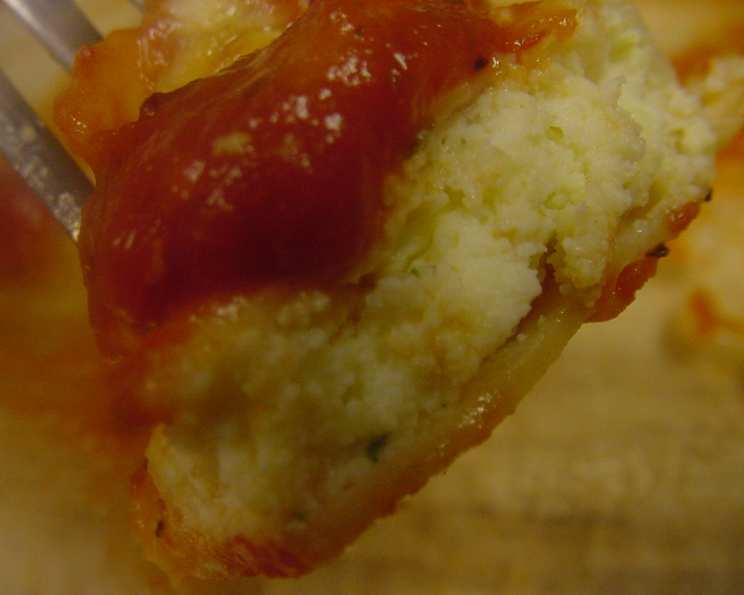
Delicate Cheese Ravioli Ala Filomena (And Baked Version, Too!)
The scent of simmering marinara and freshly made pasta always transports me back to my Nonna’s kitchen. I can almost feel the warmth of the wood-burning stove on my face as I watched her, a whirlwind of flour and motion, transforming simple ingredients into something truly extraordinary. These cheese ravioli, so delicate they practically melt in your mouth, are an homage to her. It’s a recipe passed down through generations, each cook adding their own touch, but always staying true to the heart of Nonna’s love-filled cooking. They’re light, delicious, and always a crowd pleaser, especially when baked with mozzarella until golden and bubbly.
Recipe Overview
- Prep Time: 30 minutes
- Cook Time: 7 minutes
- Total Time: 37 minutes
- Yields: 20-24 ravioli
- Serves: 4-6
- Dietary Type: Vegetarian
Ingredients
- 15 ounces ricotta cheese, whole milk (if it is wet, strain it)
- 2 large eggs
- 1/2 cup Parmesan cheese, finely grated
- 1/4 teaspoon pepper, finely ground
- 2 tablespoons parsley, finely chopped flat leaf
- Filomena’s Pasta Fresca (or your favorite pasta recipe, like Recipe #272132)
- 1 1/2 – 2 cups marinara sauce (Recipe #rz.279041) (or any favorite sauce you want)
- Fresh basil leaves, for garnish
- Shredded mozzarella cheese (optional, for baked version)
Equipment Needed
- Large mixing bowl
- Cookie scoop (small)
- Pasta machine or rolling pin
- 2 1/2″ ravioli cutter (or knife)
- Large skillet or pot
- Slotted or wire spoon
- Casserole dish (optional, for baked version)
Instructions
-
In a large mixing bowl, combine the ricotta cheese, eggs, Parmesan cheese, pepper, and parsley. Mix well until all ingredients are thoroughly incorporated and the filling is smooth. Cover the bowl and refrigerate the filling until you are ready to fill the pasta. This helps the filling firm up slightly, making it easier to work with.
-
Prepare your pasta dough according to your preferred method or recipe. If using a pasta machine, roll the dough into two long strips as thin as possible. If rolling by hand, ensure your work surface is well-floured to prevent sticking. The thinner the pasta, the more delicate your ravioli will be.
-
Lay one of the pasta strips on a well-floured surface. Using a small cookie scoop, place twenty mounds of filling evenly spaced on one strip of the pasta. The number of mounds might vary depending on the size of your ravioli cutter; I typically get around 22 ravioli that are about 2 1/2 inches around with my cutter. If you’re worried about the pasta drying out too much, you can fill half of the pasta strip and then fold the other half over it.
-
Carefully place the second strip of pasta on top of the filled pasta strip, covering the mounds of filling.
-
Starting from the center of the pasta strip, gently press as much air as possible out from around each mound of filling, working your way towards the edges of the dough. This step is crucial to prevent the ravioli from bursting during cooking.
-
Using a well-floured 2 1/2″ ravioli cutter, cut out the ravioli, making sure to press firmly to seal the edges. Sealing the edges is essential to prevent the filling from leaking out during cooking. Some people like to egg wash the pasta strips before layering them to help them stick together. I don’t usually find it necessary, but it can be a helpful step if you’re concerned about sealing.
-
Place the cut ravioli on a well-floured board or baking sheet and let them dry for at least 30 minutes. This will help them hold their shape during cooking.
-
Bring a large pot of well-salted water to a boil. Add about a tablespoon of oil to the water to help prevent boil-overs.
-
Gently add the ravioli to the boiling water, being careful not to overcrowd the pot. Reduce the heat to a gentle simmer to prevent the ravioli from exploding.
-
Cook the ravioli until they are tender. The cooking time will vary depending on the thickness of your pasta. My pasta is quite thin, and the ravioli typically cook in about 7 minutes.
-
Use a slotted or wire spoon to carefully remove the ravioli from the water. Avoid pouring them into a colander, as this can cause them to break, since they are very delicate.
-
Serve the ravioli immediately with your favorite marinara sauce (Recipe #rz.279041 is a great choice!). Garnish with fresh basil leaves for a burst of flavor and color. A typical serving is around five ravioli for a main dish or two to three for a starter.
-
For Baked Ravioli: Preheat your oven to 375°F (190°C). Spread a thin layer of marinara sauce in the bottom of a casserole dish. Arrange the cooked ravioli in a single layer over the sauce. Spoon more sauce over the top of the ravioli, then sprinkle generously with shredded mozzarella cheese.
-
Bake the ravioli in the preheated oven until the mozzarella cheese is melted and bubbly, about 15-20 minutes. Top with a sprinkle of Parmesan cheese and fresh chopped basil or parsley before serving.
-
Troubleshooting: If you have deformed ravioli or want to perfect your cooking time, cook a few of those first. If air is trapped inside the ravioli, it may cause them to explode during cooking. To prevent this, poke a small hole in the top center of each ravioli with a toothpick to allow the air to escape.
-
Freezing: You can freeze the ravioli in a single layer before cooking. Place them on a well-floured tray and freeze them until solid. Once frozen, transfer them to a flat container and cover tightly. Use within a month or so. You can cook them directly from frozen, adding a few minutes to the cooking time.
Expert Tips & Tricks
- To ensure the ravioli don’t stick together during the drying process, toss them lightly in semolina flour instead of all-purpose flour. Semolina is coarser and less likely to absorb moisture.
- For a richer flavor, try adding a pinch of nutmeg to the ricotta cheese filling.
- If you are using store-bought pasta dough, make sure it’s fresh, not dried. Fresh pasta will give you the best texture.
- Don’t be afraid to experiment with different fillings! Consider adding sautéed spinach, roasted vegetables, or even a little bit of ground meat to the ricotta cheese.
- To prevent the edges of the ravioli from drying out too quickly, cover them with a damp kitchen towel while you are working.
Serving & Storage Suggestions
Serve these delicate cheese ravioli immediately after cooking for the best texture and flavor. The baked version is best served hot, straight from the oven.
Leftover cooked ravioli can be stored in an airtight container in the refrigerator for up to 2 days. To reheat, gently simmer them in marinara sauce until heated through.
Cooked ravioli can also be frozen. Allow them to cool completely before transferring them to a freezer-safe container. To prevent them from sticking together, freeze them in a single layer before transferring them to the container. Reheat frozen ravioli directly in simmering marinara sauce until heated through.
Nutritional Information
| Nutrient | Amount per Serving | % Daily Value |
|---|---|---|
| Calories | 346 kcal | N/A |
| Calories from Fat | 203 kcal | N/A |
| Total Fat | 22.6 g | 34% |
| Saturated Fat | 12.4 g | 62% |
| Cholesterol | 171.2 mg | 57% |
| Sodium | 716.4 mg | 29% |
| Total Carbohydrate | 15.4 g | 5% |
| Dietary Fiber | 0.4 g | 1% |
| Sugars | 8.8 g | N/A |
| Protein | 20.3 g | 40% |
Variations & Substitutions
- Gluten-Free Ravioli: Use gluten-free pasta dough for a gluten-free version of this dish.
- Vegan Ravioli: Substitute the ricotta cheese with a vegan ricotta cheese made from cashews or tofu. Use a flax egg or other egg substitute to bind the filling.
- Different Cheese Combinations: Experiment with different cheese combinations in the filling. Try adding some goat cheese, mozzarella, or provolone cheese for a unique flavor.
- Seasonal Variations: In the fall, add butternut squash puree to the ricotta cheese filling for a seasonal twist. In the spring, add fresh herbs like basil, oregano, and thyme to the filling.
FAQs (Frequently Asked Questions)
Q: How do I prevent the ravioli from sticking together while drying?
A: Make sure to flour the board or baking sheet generously before placing the ravioli on it. You can also toss the ravioli lightly in semolina flour, which is less likely to absorb moisture than all-purpose flour.
Q: Can I use store-bought pasta dough for this recipe?
A: Yes, you can use store-bought pasta dough, but make sure it’s fresh, not dried. Fresh pasta will give you the best texture.
Q: What if I don’t have a ravioli cutter?
A: You can use a sharp knife to cut the ravioli into squares or rectangles. Just make sure to press the edges together firmly to seal them.
Q: How long can I freeze the ravioli for?
A: You can freeze the ravioli for up to a month or so. Make sure to store them in a freezer-safe container and cover them tightly to prevent freezer burn.
Q: Can I bake the ravioli without cooking them first?
A: No, you need to cook the ravioli before baking them. Baking them raw will result in uneven cooking and a mushy texture.
Final Thoughts
These delicate cheese ravioli are a labor of love, but the end result is well worth the effort. Whether you enjoy them simply sauced with marinara or baked with mozzarella until golden and bubbly, they are sure to be a hit with your family and friends. Don’t be afraid to experiment with different fillings and sauces to create your own unique version of this classic dish. And most importantly, remember to cook with love, just like Nonna used to! Pair these ravioli with a crisp Italian white wine for a truly authentic and unforgettable meal. Buon appetito!