
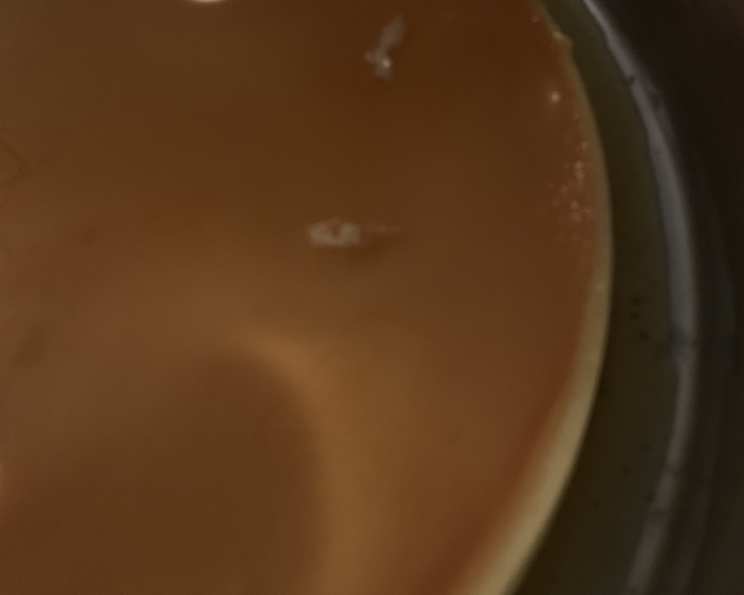
Delicious, Easy Cuban-Style Flan
The first time I tasted real Cuban flan, I was transported. It wasn’t in a fancy restaurant, but at a potluck hosted by my friend Isabella, whose grandmother had just arrived from Havana. Abuela Elena’s flan, served in a slightly chipped ceramic dish, was unlike anything I’d ever experienced. The caramel was deep and rich, clinging seductively to the silken custard. One bite, and I understood why flan was a staple in Cuban cuisine – a simple pleasure, expertly crafted, that spoke of family, tradition, and love. It was dense, creamy, and utterly unforgettable. I’ve been chasing that flavor ever since, and this recipe comes closest to capturing that magic.
Recipe Overview
- Prep Time: 15 minutes
- Cook Time: 45 minutes
- Total Time: 1 hour 15 minutes (plus chilling time)
- Servings: 10
- Yield: 1 flan
- Dietary Type: Gluten-Free
Ingredients
- 1/2 cup sugar
- 1 teaspoon water (optional)
- 1 whole egg
- 5 egg yolks
- 1 (12 ounce) can evaporated milk
- 1 (14 ounce) can sweetened condensed milk
- 1/2 – 1 teaspoon vanilla extract (adjust to taste)
Equipment Needed
- 1 quart flanera (metal pan with lock-down lid) or 1 quart round casserole dish with lid
- 1 ovenproof dish or baking pan that the flanera or casserole dish will fit into
- Saucepan (if making caramel separately)
- Whisk
- Mixing bowl
- Butter knife
- Serving plate
Instructions
-
Prepare your equipment: Preheat your oven to 350 degrees Fahrenheit (175 degrees Celsius). Ensure you have a flanera or casserole dish ready, along with an ovenproof dish or baking pan large enough to hold it.
-
Make the caramel: This is the foundation of your flan, so take your time. You have two options here. The first involves simply melting the sugar directly in the flanera or a saucepan until it turns a beautiful, dark golden brown. The second method, which some prefer, involves adding the water to the sugar before melting. The water helps the sugar melt more evenly and reduces the risk of burning. Choose whichever method you feel most comfortable with.
-
Option 1 (Dry Caramel): Place the 1/2 cup of sugar directly into your flanera (if using one) or a saucepan. Heat over medium heat, watching carefully. As the sugar begins to melt, it will become clumpy. Continue heating, swirling the pan occasionally, until all the sugar is melted and transformed into a smooth, dark amber caramel. Be patient and avoid stirring with a utensil, as this can cause the sugar to crystallize.
-
Option 2 (Wet Caramel): Combine the 1/2 cup of sugar and 1 teaspoon of water in your flanera or saucepan. Heat over medium heat, swirling occasionally, until the sugar dissolves and the mixture turns into a dark golden brown caramel.
-
-
Pour the caramel: If you made the caramel in a saucepan, carefully pour it into the bottom of your casserole dish. Tilt the dish to evenly coat the bottom with the hot caramel. Be extremely careful, as hot caramel can cause severe burns.
-
Prepare the custard: While the caramel cools and hardens, focus on the creamy custard. In a separate mixing bowl, crack the whole egg and add the 5 egg yolks. Use a whisk to beat them together until they are light and frothy. A whisk is essential here, as it incorporates air into the mixture, creating a smoother, more delicate texture.
-
Combine the milk and eggs: Add the can of evaporated milk and the can of sweetened condensed milk to the beaten eggs. Mix gently until everything is well combined. Avoid overmixing, which can toughen the custard.
-
Add vanilla: Stir in the vanilla extract. Start with 1/2 teaspoon and taste. If you prefer a stronger vanilla flavor, add up to 1 teaspoon. Remember, the vanilla enhances the other flavors, so don’t be afraid to experiment.
-
Pour custard over caramel: Carefully pour the custard mixture into the flanera or casserole dish, over the hardened caramel.
-
Prepare the water bath: Place your flanera or casserole dish inside the larger ovenproof dish or baking pan. This will be your water bath, which ensures the flan cooks gently and evenly, preventing it from curdling or becoming rubbery.
-
Add hot water: Carefully pour hot water into the outer dish, filling it to about halfway up the sides of the flanera or casserole dish. Be cautious not to splash any water into the custard. The water level should be as high as you can safely manage without spilling when you move the whole setup.
-
Bake the flan: Carefully transfer the entire setup (flanera/casserole dish inside the water bath) to the preheated 350-degree Fahrenheit oven. Bake for 45 minutes.
-
Rest in the oven: After 45 minutes, turn off the oven and let the flan set inside for another 15 minutes. This allows the flan to finish cooking gently and prevents it from cracking due to a sudden temperature change.
-
Cool completely: Remove the flan from the oven and carefully take it out of the water bath. Let it cool completely at room temperature.
-
Chill before serving: Once cooled, run a butter knife around the outside edge of the flan to loosen it from the sides of the dish. This will help it release cleanly when you invert it.
-
Invert and serve: Place a serving plate larger than the flanera or casserole dish over the top. Carefully invert the flan onto the plate. The caramel will drizzle down the sides, creating a beautiful and delicious sauce.
-
Chill and enjoy: Chill the flan in the refrigerator for at least one hour before serving. This allows the flavors to meld and the custard to firm up even more.
Expert Tips & Tricks
- Don’t skip the water bath: The water bath is crucial for a smooth, creamy flan. It regulates the temperature and prevents the custard from overcooking.
- Use a candy thermometer (for caramel): If you’re nervous about burning the caramel, use a candy thermometer. Aim for a temperature of around 340°F (170°C).
- Strain the custard (optional): For an even smoother texture, strain the custard mixture through a fine-mesh sieve before pouring it into the prepared dish. This will remove any lumps or air bubbles.
- Check for doneness: After baking, the flan should be set around the edges but still have a slight wobble in the center.
- Preventing crystallization: If your caramel crystallizes, add a tablespoon of lemon juice or vinegar to the sugar and water mixture. This helps prevent crystallization and promotes a smoother caramel.
- Make-ahead magic: The flan can be made a day or two in advance. In fact, the flavor often improves after a day in the refrigerator.
Serving & Storage Suggestions
Serve the flan chilled, allowing the caramel sauce to pool around the base. Garnish with a sprig of mint or a few fresh berries for a pop of color. Leftover flan should be stored in an airtight container in the refrigerator. It will keep for up to 3-4 days. It is not recommended to freeze flan, as the texture can change significantly. Reheating is not typically necessary, as flan is best enjoyed cold.
Nutritional Information
| Nutrient | Amount per Serving | % Daily Value |
|---|---|---|
| Calories | 244 kcal | N/A |
| Total Fat | 8.5g | 13% |
| Saturated Fat | 4.6g | 23% |
| Cholesterol | 125mg | 41% |
| Sodium | 97.4mg | 4% |
| Total Carbohydrate | 35.3g | 11% |
| Dietary Fiber | 0g | 0% |
| Sugars | 31.7g | N/A |
| Protein | 7.3g | 14% |
Note: Nutritional information is an estimate and may vary based on specific ingredients and portion sizes.
Variations & Substitutions
- Coconut Flan: Substitute the evaporated milk with coconut milk for a tropical twist.
- Coffee Flan: Add a tablespoon of instant coffee granules to the custard mixture for a coffee-flavored flan.
- Citrus Zest: Grate a little orange or lemon zest into the custard for a brighter flavor.
- Spiced Flan: Add a pinch of cinnamon, nutmeg, or cardamom to the custard for a warm and comforting flavor.
- Dulce de Leche Flan: Use Dulce de Leche instead of Caramel for an even richer flavor.
FAQs (Frequently Asked Questions)
Q: Why is my flan rubbery?
A: Overbaking is the most common cause of rubbery flan. Be sure to use a water bath and check for doneness regularly.
Q: How do I prevent my caramel from burning?
A: Use medium-low heat and watch the caramel closely. Swirling the pan occasionally will help distribute the heat evenly.
Q: Can I use a different type of milk?
A: While evaporated and sweetened condensed milk are traditional, you can experiment with other types of milk, but the texture and flavor may be slightly different.
Q: How do I know when the flan is done?
A: The flan should be set around the edges but still have a slight wobble in the center. A toothpick inserted near the edge should come out clean.
Q: Why is my flan grainy?
A: Undissolved sugar can cause a grainy texture. Make sure the sugar is fully dissolved when making the caramel and that the custard is well mixed. Straining the custard can also help.
Final Thoughts
This Cuban-style flan recipe is more than just a dessert; it’s a taste of history, a celebration of simplicity, and a testament to the power of good food. I urge you to try this recipe and experience the joy of creating this classic treat in your own kitchen. Share your flan with loved ones, and don’t hesitate to experiment with variations to make it your own. Buen provecho!