
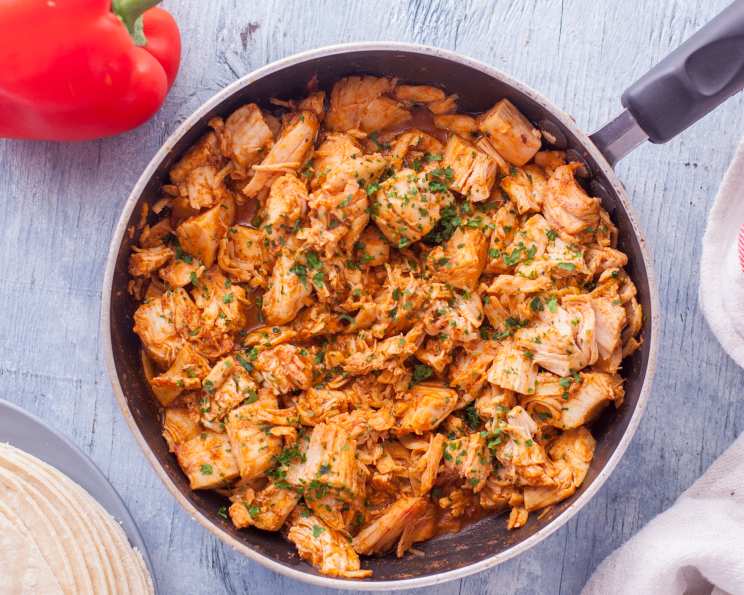
Delicious Fajita Marinade
The aroma of sizzling fajitas always takes me back to my childhood. My family would gather on summer evenings, the air thick with the scent of grilled peppers and onions. My dad, ever the grill master, would carefully tend to the meat, which always seemed to have this incredible, savory-sweet flavor. It wasn’t until years later that I discovered the secret wasn’t just the grilling, but the marinade – a vibrant blend that transformed ordinary beef into something truly special. I’ve tweaked and perfected recipes since then, but that initial memory of family, laughter, and incredible food remains the inspiration behind every fajita I make.
Recipe Overview
- Prep Time: 5 minutes
- Marinating Time: 2 hours
- Cook Time: Varies
- Total Time: 2 hours 5 minutes
- Servings: 4
- Dietary Type: Adaptable (see variations)
Ingredients
- 1 clove garlic, minced
- 1 1/2 teaspoons salt
- 1 tablespoon ground cumin
- 1/2 teaspoon chili powder
- 1/2 teaspoon crushed red pepper flakes
- 2 tablespoons oil (any type works)
- 1 tablespoon lemon juice
- 1/3 cup A.1. Original Sauce
Equipment Needed
- Mixing bowl
- Whisk or fork
- Resealable plastic bag or container
Instructions
- In a mixing bowl, combine all ingredients: the minced garlic, salt, ground cumin, chili powder, and crushed red pepper flakes.
- Add the oil and lemon juice to the bowl. Any type of oil will work; I often use olive oil, but vegetable or canola oil are fine, too.
- Pour in the A.1. Original Sauce. This provides a unique, savory depth to the marinade that sets it apart.
- Using a whisk or fork, thoroughly mix all the ingredients until well combined. This ensures that the flavors are evenly distributed and ready to infuse the meat.
- Place 1 1/2 lbs of beef or chicken into a resealable plastic bag or a container.
- Pour the marinade over the meat, ensuring that all pieces are coated evenly.
- Seal the bag or cover the container and refrigerate for at least 2 hours. For even more intense flavor, you can marinate the meat for up to 8 hours. Be careful not to over-marinate; prolonged exposure to the lemon juice can affect the texture of the meat.
- Once marinated, cook the meat as desired. This can be done on an outside grill for that classic smoky flavor, in a stovetop saute pan for convenience, or even on a George Foreman grill for a quick and healthy option. Adjust cooking times based on your chosen method and the thickness of the meat. Ensure the internal temperature reaches a safe level for the type of meat you are cooking.
Expert Tips & Tricks
- Flavor Boost: For an extra layer of flavor, add a teaspoon of smoked paprika to the marinade.
- Tenderizing: If using a tougher cut of beef, consider adding a tablespoon of pineapple juice to the marinade. The enzymes in the pineapple will help tenderize the meat. However, be cautious as too much pineapple juice or too long of a marinating time can make the meat mushy.
- Spice Level: Adjust the amount of crushed red pepper flakes to control the heat level. For a milder flavor, reduce or omit the flakes entirely. For a spicier kick, add a pinch of cayenne pepper.
- Marinating Time: While 2 hours is the minimum, marinating overnight (8 hours) is optimal for maximum flavor penetration.
- Meat Prep: Before marinating, consider scoring the meat lightly with a knife. This allows the marinade to penetrate deeper and more quickly.
Serving & Storage Suggestions
Serve the cooked fajita meat immediately while it’s hot and juicy. Offer a variety of toppings such as sauteed bell peppers and onions, shredded cheese, sour cream, guacamole, salsa, and warm tortillas.
Leftover cooked fajita meat can be stored in an airtight container in the refrigerator for up to 3-4 days. To reheat, you can microwave it, saute it in a pan, or even bake it in the oven until warmed through. Avoid reheating for extended periods, as this can dry out the meat.
I don’t recommend freezing the raw marinated meat, as the texture may change after thawing. However, cooked fajita meat freezes well. Allow it to cool completely, then store in a freezer-safe container for up to 2-3 months. Thaw overnight in the refrigerator before reheating.
Nutritional Information
| Nutrient | Amount per Serving | % Daily Value |
|---|---|---|
| Calories | 69 kcal | N/A |
| Calories from Fat | 64 kcal | 94% |
| Total Fat | 7.2 g | 11% |
| Saturated Fat | 0.9 g | 4% |
| Cholesterol | 0 mg | 0% |
| Sodium | 880.4 mg | 36% |
| Total Carbohydrate | 1.4 g | 0% |
| Dietary Fiber | 0.3 g | 1% |
| Sugars | 0.2 g | 0% |
| Protein | 0.4 g | 0% |
Note: Nutritional information is an estimate and may vary based on specific ingredients and cooking methods.
Variations & Substitutions
- Citrus Burst: For a brighter, tangier flavor, substitute the lemon juice with lime juice or orange juice.
- Spicy Kick: Add a finely chopped jalapeño or a dash of hot sauce to the marinade for extra heat.
- Smoky Flavor: Include a teaspoon of smoked paprika or a tablespoon of chipotle peppers in adobo sauce (minced) for a smoky dimension.
- Herbaceous: Fresh herbs like cilantro or oregano, finely chopped, can add a fresh, vibrant element.
- Vegan Fajitas: Use this marinade on grilled or roasted vegetables like bell peppers, onions, zucchini, and mushrooms for a delicious vegan option. Consider adding a can of drained and rinsed black beans to your fajita filling for added protein.
- A.1. Alternative: If you prefer a different flavor profile or don’t have A.1. sauce on hand, you can substitute with Worcestershire sauce.
FAQs (Frequently Asked Questions)
Q: Can I marinate the meat for longer than 8 hours?
A: While longer marinating times can intensify the flavor, extended exposure to acidic ingredients like lemon juice can make the meat texture mushy. It’s best to stick to the recommended marinating time of 2-8 hours.
Q: Can I use this marinade for other types of meat besides beef and chicken?
A: Yes, this marinade works well with pork or shrimp. Adjust the cooking time accordingly based on the type of meat you are using. For shrimp, marinate for a shorter period (no more than 30 minutes) to prevent it from becoming rubbery.
Q: Can I grill the vegetables with the meat after marinating?
A: Absolutely! This is a great way to infuse your vegetables with the same delicious flavor as the meat. Simply toss your sliced bell peppers and onions with a little of the marinade (reserved before adding the meat) and grill them alongside the fajita meat.
Q: What can I do if I don’t have A.1. Sauce?
A: You can substitute A.1. sauce with Worcestershire sauce. However, the flavor will be slightly different. Start with a smaller amount and adjust to taste.
Q: How do I prevent my fajita meat from drying out when cooking?
A: Don’t overcook it! Cook the meat until it reaches the desired internal temperature, then remove it from the heat immediately. Allowing the meat to rest for a few minutes before slicing will also help retain its juices. Searing the meat quickly over high heat can also help seal in the moisture.
Final Thoughts
I hope this recipe inspires you to create some unforgettable fajita nights. This marinade is a true flavor bomb, transforming simple ingredients into a culinary masterpiece. Don’t be afraid to experiment with variations and find what works best for your taste. Gather your loved ones, fire up the grill (or saute pan!), and savor the deliciousness of homemade fajitas. I’d love to hear your thoughts and feedback in the comments below. Consider pairing your fajitas with a refreshing margarita or a crisp Mexican beer for the ultimate fiesta experience!