
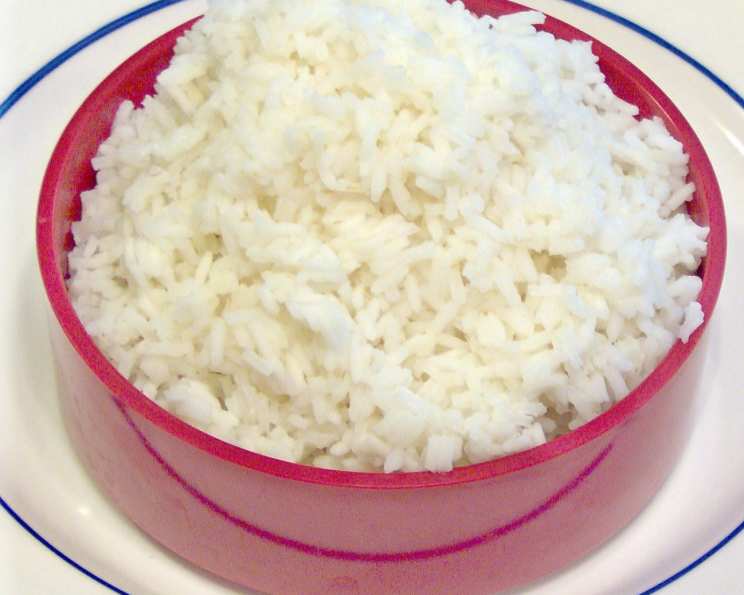
Mastering the Art of Korean Steamed White Rice: A Culinary Journey
The aroma of perfectly steamed rice holds a unique place in my memories. Growing up, it was the comforting base for every family meal. I recall standing on a stool, barely tall enough to see over the countertop, watching my grandmother meticulously rinse the grains until the water ran crystal clear. That simple act, repeated countless times, instilled in me a deep respect for this fundamental ingredient and the care it deserves. It’s more than just a side dish; it’s the foundation upon which countless delicious flavors are built.
Recipe Overview
- Prep Time: 2-3 hours (soaking time) + 5 minutes
- Cook Time: 20 minutes
- Total Time: 2 hours 25 minutes – 3 hours 25 minutes
- Servings: 3 cups cooked rice (approx)
- Yield: Varies based on rice type
- Dietary Type: Gluten-Free, Vegan
Ingredients
- 2 cups medium grain rice (Korean OR Japanese style)
- 3 cups cold water
Equipment Needed
- Large Bowl
- Fine-mesh sieve or colander
- Saucepan with a tight-fitting lid
Instructions
- Rinse the rice under cold running water in a fine-mesh sieve or colander for several minutes, or until the water runs clear. This step is crucial for removing excess starch, which prevents the rice from becoming sticky and gummy. You’ll notice the water starts cloudy and gradually becomes more transparent. Don’t skimp on this; keep rinsing!
- Transfer the cleaned rice to a large bowl. Cover with more very cold water (but not ice water), ensuring all the grains are submerged.
- Let the rice soak for 2-3 hours. Soaking allows the rice to absorb water, resulting in a fluffier, more evenly cooked texture. This step is vital.
- After soaking, drain the rice completely using your sieve or colander.
- Transfer the drained rice to a medium saucepan.
- Add 3 cups of cold water to the saucepan.
- Bring the mixture to a boil over medium-high heat. Keep a close eye on it to prevent boil-over.
- Once boiling, stir the rice once – just once! Stirring too much can release starch and make the rice sticky.
- Immediately reduce the heat to the lowest setting possible. The goal is a gentle simmer.
- Cover the saucepan tightly with the lid. It’s essential to have a good seal to trap the steam and cook the rice evenly.
- Steam the rice for 20 minutes, or until all the water has been absorbed. Do not lift the lid during this time! Peeking releases the steam and disrupts the cooking process.
- After 20 minutes, remove the saucepan from the heat but keep the lid on.
- Let the rice rest for 10 minutes before serving. This allows the steam to redistribute and the rice to finish cooking gently.
- Fluff the rice gently with a rice paddle or fork before serving. This separates the grains and prevents clumping.
Expert Tips & Tricks
- Rice Variety Matters: Using Korean or Japanese short-grain or medium-grain rice is essential for achieving the desired texture. These varieties have a higher starch content that contributes to their slightly sticky and plump consistency when cooked properly.
- Don’t Overstir: As mentioned earlier, excessive stirring releases starch, leading to gummy rice.
- Perfect Water Ratio: The 3:2 water-to-rice ratio is a good starting point, but you might need to adjust it slightly based on your specific rice cooker or saucepan.
- Rest is Best: The resting period after cooking is crucial. It allows the steam to redistribute evenly, resulting in perfectly cooked rice.
- Check for Doneness: After the steaming time, if there’s still water at the bottom, simply cook for another 2-3 minutes, keeping a close watch so the rice does not burn.
- Burned Rice Fix: If you accidentally burn the bottom layer of rice, avoid stirring it into the rest. Carefully scoop out the unburnt rice and discard the burnt portion.
- Enhanced Flavor: For a subtle flavor boost, try adding a small piece of kombu (dried kelp) during the soaking process. Remove the kombu before cooking.
- Consistent Heat: Maintaining a consistent low heat during the steaming process is vital for even cooking.
- Heavy Bottomed Pot: Using a heavy-bottomed pot can help to evenly distribute the heat, preventing scorching and ensuring that the rice cooks perfectly.
Serving & Storage Suggestions
Serve the steamed rice hot as a base for your favorite Korean dishes, such as bulgogi, bibimbap, or kimchi jjigae. It also pairs well with grilled fish, stir-fries, and vegetable dishes.
Storage:
- Room Temperature: Cooked rice should not be left at room temperature for more than 2 hours due to the risk of bacterial growth.
- Refrigerator: Store leftover rice in an airtight container in the refrigerator for up to 3-4 days.
- Freezer: For longer storage, freeze cooked rice in individual portions in freezer-safe bags or containers for up to 1-2 months.
Reheating:
- Microwave: Add a tablespoon of water to the rice and microwave on medium power for 1-2 minutes, or until heated through.
- Stovetop: Add a splash of water to the rice and reheat in a saucepan over low heat, stirring occasionally, until heated through.
- Steamer: Reheat the rice in a steamer for a more authentic flavor and texture.
Nutritional Information
| Nutrient | Amount per Serving | % Daily Value |
|---|---|---|
| Calories | 468 kcal | N/A |
| Calories from Fat | 6 g | 1% |
| Total Fat | 0.8 g | 1% |
| Saturated Fat | 0.2 g | 1% |
| Cholesterol | 0 mg | 0% |
| Sodium | 6 mg | 0% |
| Total Carbohydrate | 103.1 g | 34% |
| Dietary Fiber | 1.8 g | 7% |
| Sugars | 0 g | 0% |
| Protein | 8.6 g | 17% |
Note: Nutritional information is an estimate and may vary based on specific ingredients and serving sizes.
Variations & Substitutions
- Brown Rice: While this recipe is tailored for white rice, you can adapt it for brown rice. Brown rice requires more water and a longer cooking time (typically 45-50 minutes).
- Glutinous Rice (Sweet Rice): While not typically steamed in this manner, glutinous rice can be prepared similarly, though it requires even less water. Soaking time may also need adjustment. The texture will be significantly different—much stickier.
- Flavored Rice: Infuse the rice with additional flavors by adding aromatics to the cooking water, such as a bay leaf, a star anise, or a few slices of ginger.
- Coconut Rice: Substitute some of the water with coconut milk for a richer, fragrant rice.
FAQs (Frequently Asked Questions)
Q: Why is rinsing the rice so important?
A: Rinsing removes excess surface starch, which prevents the rice from becoming gummy and ensures a fluffier texture.
Q: Can I use a rice cooker instead of a saucepan?
A: Absolutely! Simply follow the manufacturer’s instructions for your rice cooker, adjusting the water ratio if needed.
Q: What if my rice is still too hard after 20 minutes of steaming?
A: Add a couple more tablespoons of water, cover, and continue steaming for another 5-10 minutes, checking periodically.
Q: Can I make this recipe ahead of time?
A: Yes, you can cook the rice ahead of time and store it in the refrigerator for up to 3-4 days. Reheat as needed.
Q: Is it necessary to soak the rice?
A: While not strictly mandatory, soaking significantly improves the texture of the rice, resulting in a fluffier and more evenly cooked final product. It’s highly recommended!
Final Thoughts
Mastering the art of cooking perfect Korean steamed white rice is a journey worth embarking on. It’s a simple yet essential skill that will elevate your home cooking and allow you to fully appreciate the flavors of Korean cuisine. Don’t be afraid to experiment with different rice varieties and flavor infusions to create your own signature steamed rice. Embrace the process, savor the aroma, and enjoy the satisfying feeling of creating a perfectly cooked bowl of rice.