
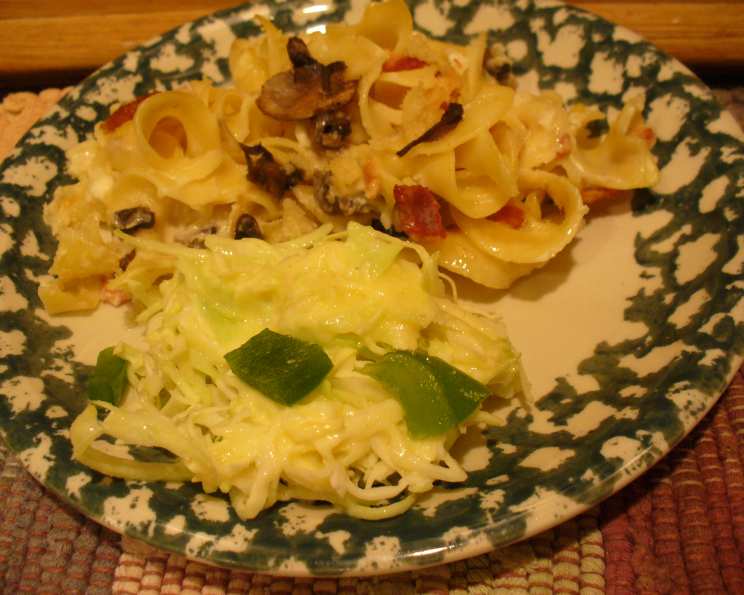
Depression Era Mustard, Egg, and Vinegar Sauce: A Culinary Time Capsule
My grandmother, bless her heart, was a master of stretching a dollar. Growing up during the Depression instilled in her a resourcefulness that permeated every aspect of her life, especially her cooking. I remember sitting at her kitchen table, mesmerized as she transformed humble ingredients into delicious, comforting meals. While she made many things, it was the simplicity and tang of her mustard, egg, and vinegar sauce that truly captured my imagination. It wasn’t just a sauce; it was a symbol of resilience, a testament to the power of ingenuity in the face of hardship. The way she would carefully drizzle the warm sauce over crisp lettuce, always made me so excited for dinner.
Recipe Overview
- Prep Time: 5 minutes
- Cook Time: 10 minutes
- Total Time: 15 minutes
- Servings: 4
- Yield: 1 cup
- Dietary Type: Dairy-Free (if omitting optional milk)
Ingredients
- 2 large eggs, beaten
- ¼ cup water
- ¼ cup cider vinegar or white vinegar
- ½ teaspoon yellow mustard
- ½ teaspoon salt
- 2-3 teaspoons sugar
- 1 tablespoon milk (optional, see note)
Equipment Needed
- Medium saucepan
- Wire whisk
Instructions
-
In a medium saucepan, thoroughly beat the eggs and water together using a wire whisk until well combined. This ensures a smooth base for the sauce.
-
Add the vinegar, mustard, salt, and initially 2 teaspoons of sugar to the egg mixture. The type of vinegar you choose will influence the final flavor; cider vinegar offers a slightly sweeter and more complex taste compared to white vinegar.
-
Place the saucepan over low to medium heat. Continuously whisk the dressing until it begins to thicken. This process typically takes about 5-7 minutes. Be patient and avoid increasing the heat too much, as this can cause the eggs to scramble.
-
Taste the sauce. If using cider vinegar, you may find it needs the additional teaspoon of sugar, or even more, depending on your preference. Adjust the sugar to achieve the desired level of sweetness and balance.
-
Remove the saucepan from the heat. The sauce is now ready to be used in various ways:
- Cool the sauce completely to use as a dressing for cabbage salads, potato salads, or other cold vegetable dishes.
- Keep the sauce warm to toss with fresh lettuce, green onions, and bacon for a delightful warm salad.
- Keep the sauce warm to drizzle over slices of roasted pork loin or other cooked pork.
Note: Adding a tablespoon of milk at the end can mellow the mustard flavor, making it less pronounced.
Expert Tips & Tricks
- Preventing Scrambled Eggs: The key to a smooth, creamy sauce is low and slow cooking. Keep the heat at a gentle simmer and whisk constantly to prevent the eggs from scrambling. If you notice the sauce starting to curdle, immediately remove it from the heat and whisk vigorously.
- Vinegar Adjustment: Cider vinegar is noticeably stronger and tangier than white vinegar. If you prefer a milder flavor, start with white vinegar and adjust the sugar accordingly. You can also experiment with other types of vinegar like apple cider vinegar or rice vinegar for unique flavor profiles.
- Mustard Intensity: The ½ teaspoon of yellow mustard provides a subtle background flavor. For a bolder mustard taste, increase the amount to 1 teaspoon, but be mindful of the overall balance of the sauce.
- Make Ahead: This sauce can be made a day ahead and stored in the refrigerator. Whisk it briefly before using to ensure it’s smooth.
- Thickening Troubles: If your sauce isn’t thickening, it’s likely due to insufficient heat or not enough whisking. Increase the heat slightly (but still keep it low to medium) and continue whisking until it reaches the desired consistency. A small amount of cornstarch slurry (1 teaspoon cornstarch mixed with 1 tablespoon cold water) can be whisked in as a last resort to help thicken the sauce, but be sure to cook it for a minute or two to eliminate the starchy taste.
Serving & Storage Suggestions
This versatile sauce can be served in a variety of ways. As mentioned in the instructions, it’s excellent as a cold dressing for salads, a warm dressing for wilted lettuce, or a flavorful topping for sliced pork.
- Presentation: When serving as a salad dressing, consider drizzling it artfully over the vegetables. For pork, a generous spoonful over each slice is perfect. Garnish with fresh herbs like parsley or chives for an extra touch of elegance.
- Storage: Leftover sauce should be stored in an airtight container in the refrigerator. It will keep for up to 3 days.
- Reheating: If you need to reheat the sauce, do so gently over low heat or in a double boiler, whisking constantly to prevent curdling. Avoid microwaving, as it can cause the sauce to separate.
Nutritional Information
| Nutrient | Amount per Serving | % Daily Value |
|---|---|---|
| Calories | 48.1 kcal | N/A |
| Calories from Fat | 22 g | 47% |
| Total Fat | 2.5 g | 3% |
| Saturated Fat | 0.8 g | 3% |
| Cholesterol | 105.8 mg | 35% |
| Sodium | 329.1 mg | 13% |
| Total Carbohydrate | 2.5 g | 0% |
| Dietary Fiber | 0 g | 0% |
| Sugars | 2.4 g | 9% |
| Protein | 3.1 g | 6% |
Note: Nutritional information is an estimate and may vary based on specific ingredients and portion sizes.
Variations & Substitutions
- Vegan Option: To make this sauce vegan, substitute the eggs with a mixture of silken tofu and nutritional yeast to mimic the creamy texture and savory flavor. You’ll need to experiment with the proportions to achieve the desired consistency and taste.
- Sweetener Alternatives: Instead of sugar, try using honey, maple syrup, or agave nectar. Keep in mind that these sweeteners will alter the flavor profile of the sauce.
- Herb Infusion: Infuse the sauce with fresh herbs like dill, tarragon, or thyme by adding them to the saucepan during the cooking process. Remove the herbs before serving.
- Spice it Up: Add a pinch of red pepper flakes or a dash of hot sauce for a spicy kick.
FAQs (Frequently Asked Questions)
Q: Can I use a different type of mustard?
A: Yes! While yellow mustard is the classic choice, you can experiment with Dijon mustard, brown mustard, or even a flavored mustard like honey mustard for a different flavor profile.
Q: My sauce curdled. Can I save it?
A: Sometimes! Immediately remove the sauce from the heat and whisk vigorously. If it’s only slightly curdled, this may be enough to smooth it out. If it’s badly curdled, you can try blending it with an immersion blender to create a smoother texture, though it may not fully recover.
Q: How long does the sauce last in the refrigerator?
A: The sauce will keep for up to 3 days in an airtight container in the refrigerator.
Q: Can I freeze this sauce?
A: Freezing is not recommended as the sauce may separate and become grainy upon thawing.
Q: Can I double or triple the recipe?
A: Absolutely! Simply adjust the ingredient quantities accordingly. The cooking time may need to be slightly increased for larger batches.
Final Thoughts
This humble Depression Era Mustard, Egg, and Vinegar Sauce is more than just a recipe; it’s a glimpse into the past, a reminder of the ingenuity and resourcefulness of those who came before us. I encourage you to try this simple yet flavorful sauce and experience the taste of history. Whether you drizzle it over a crisp cabbage slaw, toss it with warm lettuce, or serve it alongside a succulent pork roast, I hope it brings you as much comfort and enjoyment as it has brought me. And don’t be afraid to experiment and make it your own! After all, the best recipes are those that are shared and adapted with love.