
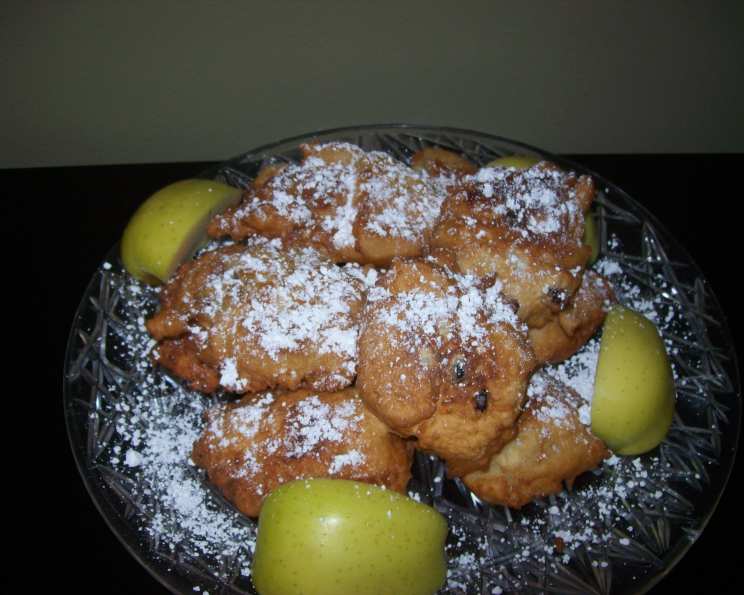
Grandma Else’s Deutsche Donuts: A Taste of Childhood
The scent of frying dough, subtly sweet and yeasty, always transports me back to my grandmother Else’s kitchen. She stood at her stove, a formidable figure in her floral apron, expertly turning golden-brown orbs in a bubbling pot of oil. These weren’t just donuts; they were Deutsche Donuts, little pockets of joy sprinkled with powdered sugar, a comforting taste of heritage that filled our family gatherings with warmth and laughter. Every bite was a reminder of her love, and a connection to a past rich with tradition. Now, I’m eager to share this cherished recipe, hoping it brings the same joy to your kitchen and your loved ones.
Recipe Overview
- Prep Time: 60 minutes (includes rising time)
- Cook Time: 15 minutes
- Total Time: 1 hour 15 minutes
- Servings: Varies
- Yields: Approximately 30 doughnuts
- Dietary Type: Not specified (contains dairy and eggs)
Ingredients
- 1 (1/4 ounce) package dry active yeast
- 1/4 cup slightly warm water (not hot!)
- 2 cups milk, divided
- 5 cups flour, divided
- 1 tablespoon butter, room temperature
- 2 tablespoons white sugar
- 2 eggs
- 1 teaspoon salt
- 1 cup seedless raisins
- Vegetable oil, for frying
- Powdered sugar, for decoration (icing sugar)
Equipment Needed
- Medium bowl
- Large bowl
- Rubber spatula
- Fork
- Large pot or deep fryer
- Slotted spoon or spider
- Paper towels
- Serving plate
Instructions
-
In a medium bowl, dissolve the dry active yeast in the slightly warm water. It’s crucial that the water isn’t too hot, as this can kill the yeast and prevent the dough from rising properly. Let it sit for a few minutes until it becomes frothy – this indicates that the yeast is active.
-
Add 1 cup of the milk and 1 cup of the flour to the yeast mixture. Stir until just combined.
-
Cover the bowl with plastic wrap or a clean kitchen towel and let it rise in a warm place for 30 minutes. This initial rise allows the yeast to begin its work, creating a light and airy texture in the final product.
-
While the yeast mixture is rising, prepare the rest of the dough. In a large bowl, cream together the room temperature butter and white sugar with a fork until light and fluffy. This step incorporates air into the dough, contributing to its tenderness.
-
Mix in the eggs, one at a time, ensuring each egg is fully incorporated before adding the next.
-
Add the remaining flour, salt, raisins, the yeast mixture, and the remaining milk to the large bowl.
-
Stir until everything is completely blended. Use a rubber spatula to scrape down the sides of the bowl and ensure all ingredients are evenly incorporated. The dough will be sticky at this stage, which is perfectly normal.
-
Cover the bowl again and let it rise for another 30 minutes in a warm place. This second rise is crucial for developing the flavor and texture of the doughnuts. The dough should roughly double in size.
-
While the dough is rising for the second time, prepare for frying. Heat the vegetable oil in a large pot or deep fryer to 375°F (190°C). Use a thermometer to ensure the oil is at the correct temperature. If the oil is too cool, the doughnuts will absorb too much oil and become greasy. If it’s too hot, they’ll brown too quickly on the outside and remain doughy on the inside.
-
Drop the batter by the tablespoon into the hot oil. A helpful trick is to use two spoons to scoop the batter out of one with the other, creating a rounded shape. Be careful not to overcrowd the pot; fry in batches of 3-4 doughnuts at a time, depending on the size of your pot.
-
Fry the doughnuts until one side is golden brown, then flip them over and cook on the other side until both sides are evenly browned. This should take approximately 2-3 minutes per side.
-
Use a slotted spoon or spider to remove the doughnuts from the oil and place them on paper towels to drain excess oil.
-
After placing the doughnuts on a serving plate, sprinkle generously with powdered sugar while they are still warm. The heat will help the sugar adhere better.
Expert Tips & Tricks
- Yeast Proofing: Always check the expiration date of your yeast. To ensure your yeast is active, proof it in the warm water with a pinch of sugar. If it doesn’t bubble within 5-10 minutes, it’s best to get new yeast.
- Oil Temperature: Maintaining the correct oil temperature is crucial for even cooking. Use a deep-fry thermometer to monitor the temperature. If the oil cools down too much between batches, wait for it to heat back up before adding more doughnuts.
- Donut Shape: For more uniform doughnuts, consider using a small ice cream scoop or piping bag to drop the batter into the hot oil.
- Preventing Greasiness: Don’t overcrowd the pot, and ensure the oil is hot enough. Also, let the doughnuts drain thoroughly on paper towels.
- Flavor Boost: Add a teaspoon of vanilla extract or a pinch of nutmeg to the dough for added flavor.
Serving & Storage Suggestions
These Deutsche Donuts are best served warm, ideally within a few hours of frying. The powdered sugar coating adds a touch of sweetness that perfectly complements the yeasty flavor of the dough. Serve them as a delightful breakfast treat, a satisfying afternoon snack, or a comforting dessert.
To store leftovers, place them in an airtight container at room temperature. They will stay fresh for up to 2 days, although their texture may change slightly. You can also freeze them for longer storage; wrap them individually in plastic wrap and place them in a freezer bag. To reheat, thaw them at room temperature and warm them briefly in a low oven or microwave. Be aware that the powdered sugar may melt slightly during reheating, so you might want to add a fresh dusting before serving.
Nutritional Information
(Estimated values per doughnut – may vary based on specific ingredients and portion size)
| Nutrient | Amount per Serving | % Daily Value |
|---|---|---|
| Calories | 150 kcal | 8% |
| Total Fat | 7g | 9% |
| Saturated Fat | 3g | 15% |
| Cholesterol | 30mg | 10% |
| Sodium | 100mg | 4% |
| Total Carbohydrate | 20g | 7% |
| Dietary Fiber | 1g | 4% |
| Sugars | 5g | |
| Protein | 2g | 4% |
Variations & Substitutions
- Spice it up: Add a pinch of ground cardamom or cinnamon to the dough for a warm, aromatic twist.
- Fruity Fun: Substitute dried cranberries or chopped dried apricots for the raisins.
- Citrus Zest: Grate the zest of an orange or lemon into the dough for a bright, zesty flavor.
- Chocolate Chip: Add 1/2 cup of mini chocolate chips to the dough.
- Gluten-Free Version: While this recipe is not inherently gluten-free, experimenting with a gluten-free flour blend designed for yeast-based doughs might yield positive results. Be prepared to adjust the liquid content as gluten-free flours often absorb more moisture.
FAQs (Frequently Asked Questions)
Q: Can I use instant yeast instead of active dry yeast?
A: Yes, you can. Use the same amount of instant yeast. You can add it directly to the flour mixture without proofing it in water first, although proofing it will still ensure it’s active.
Q: My dough didn’t rise. What could be the problem?
A: Several factors can prevent dough from rising, including expired yeast, water that’s too hot or too cold, or a room that’s too cold. Ensure your yeast is active and your ingredients are at the correct temperature, and try placing the dough in a warmer spot.
Q: Can I bake these doughnuts instead of frying them?
A: While frying gives the doughnuts their characteristic texture, you can try baking them. Bake them at 375°F (190°C) for 12-15 minutes, or until golden brown. They will have a different texture, more like a bread roll, but still be delicious.
Q: How do I prevent the powdered sugar from disappearing?
A: Dust the doughnuts with powdered sugar while they are still slightly warm. Alternatively, you can make a simple glaze by mixing powdered sugar with a little milk or lemon juice.
Q: Can I make the dough ahead of time?
A: Yes, you can. After the second rise, punch down the dough, cover it tightly, and refrigerate it for up to 24 hours. Let it come to room temperature before frying.
Final Thoughts
These Deutsche Donuts are more than just a recipe; they’re a taste of tradition, a connection to family, and a simple pleasure that’s sure to bring a smile to your face. Don’t be intimidated by the yeast – with a little patience and attention to detail, you’ll be rewarded with light, fluffy, and incredibly delicious doughnuts. I encourage you to try this recipe, experiment with different variations, and share your creations with loved ones. And if you have any questions or feedback, I’d love to hear from you! These donuts pair wonderfully with a strong cup of coffee or a glass of cold milk for the kids. Enjoy!