
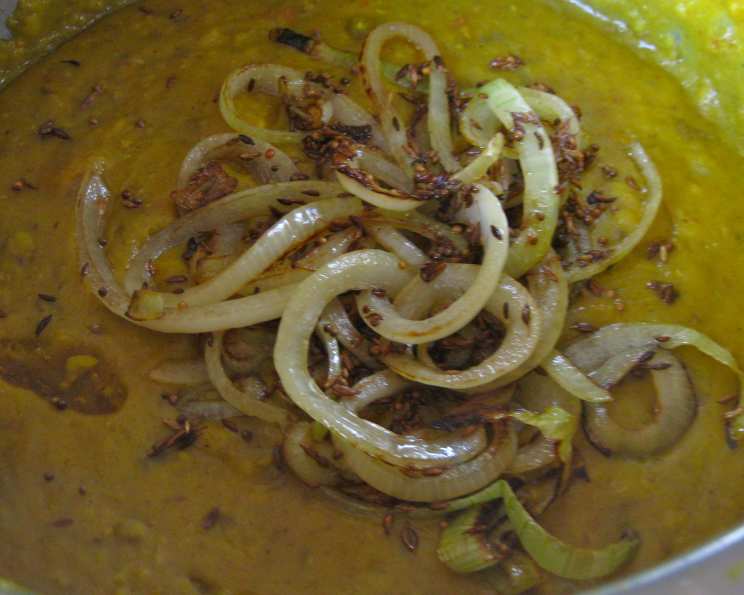
Dhal Curry With Meat (Gosht Dhal): A Taste of Home
The aroma alone transports me back to my grandmother’s kitchen. I remember the bubbling pot on her stove, a symphony of spices swirling in the air, promising a comforting meal. The rich, earthy scent of lentils mingled with the savory depth of lamb, creating an anticipation that only a home-cooked meal could evoke. Gosht Dhal, as she called it, wasn’t just food; it was love, tradition, and a warm hug on a plate. Now, I share this legacy with you.
Recipe Overview
- Prep Time: 15 minutes
- Cook Time: 2 hours 15 minutes
- Total Time: 2 hours 30 minutes
- Servings: 6-8
- Yield: About 8 cups
- Dietary Type: Varies (Can be adapted to Dairy-Free, Gluten-Free)
Ingredients
- 300-400 g lamb (cut into pieces) or 300-400 g chicken (cut into pieces, skin removed)
- 1 1/2 cups oil dhal (or gram/chana dhal, or red lentils – see note below)
- 1/4 cup brown lentils
- 2 teaspoons salt
- 2 teaspoons turmeric powder
- 1 teaspoon ginger-garlic paste
- 2 teaspoons coriander powder
- 1 teaspoon cumin
- 1 teaspoon chili powder
- 1 medium onion, chopped
- 2 tablespoons oil
- 1 small tomato, chopped
- 1 cinnamon stick
- 1 teaspoon whole cumin seed
- Fresh cilantro leaves, for garnishing
For Tempering (Tadka):
- 2 tablespoons ghee
- 3 slices onion rings
- 1 teaspoon whole cumin seed
- 1/2 teaspoon mustard seeds
- 3 whole garlic cloves
- 1 teaspoon garam masala
Ingredient Note: The recipe calls for oil dhal, which is the preferred lentil type. If you cannot find it, you can use gram dhal (chana dhal) or red lentils. However, the taste will be slightly different.
Equipment Needed
- Large saucepan
- Medium saucepan
- Blender or immersion blender
Instructions
- Prepare the Lentils: Begin by rinsing the oil dhal and brown lentils in lukewarm water. Soaking them overnight is optional but recommended for faster cooking. This will also help with digestibility.
- Cook the Lentils: Transfer the rinsed lentils to a large saucepan. Cover them with plenty of water (about 6-8 cups). Add 1 teaspoon of salt and 1 teaspoon of turmeric powder.
- Boil the Lentils: Bring the water to a boil, then reduce the heat and simmer until the lentils are very soft and mushy, similar to how you would cook beans. This may take 1 to 1.5 hours, depending on the lentils used and whether they were soaked. Keep an eye on the water level and add more if needed to prevent burning.
- Sauté Aromatics: While the lentils are cooking, prepare the meat. In a separate medium saucepan, heat the oil over medium heat. Add the chopped onion, cinnamon stick, and 1 teaspoon of cumin seeds. Sauté until the onions are a pale golden color, about 5-7 minutes.
- Add Meat and Spices: Add the lamb (or chicken) to the sautéed aromatics. Stir in the ginger-garlic paste, the remaining 1 teaspoon of salt, the remaining 1 teaspoon of turmeric powder, coriander powder, 1 teaspoon of cumin, and the chili powder.
- Cook the Meat: Stir the meat and spices together thoroughly. Cook for a few minutes without adding water, allowing the spices to toast slightly. This step is crucial for developing the flavor of the curry. Avoid burning the spices by stirring frequently.
- Simmer with Tomatoes: Once the mixture starts sticking to the bottom of the pot, add the chopped tomato and about 1/2 cup of water. Simmer slowly, allowing the flavors to blend. Cook until the tomatoes have softened and the water has mostly evaporated, creating a thick sauce around the meat. This may take 15-20 minutes.
- Blend the Lentils: Once the lentils are cooked and mushy, use a blender or immersion blender to liquidize them. Be careful when blending hot liquids; work in batches if using a regular blender.
- Combine Lentils and Meat: Pour the liquidized lentils into the saucepan with the meat. Add enough water to reach your desired consistency for the dhal, usually about a cup.
- Simmer the Curry: Bring the mixture to a boil, then reduce the heat and simmer slowly for about half an hour, allowing the dhal to blend well with the meat and spices. Stir occasionally and add more water if the dhal becomes too thick. The final consistency should be thick but pourable.
- Prepare the Tempering (Tadka): While the dhal is simmering, prepare the tempering. In a small pan, heat the ghee over medium heat. Add the onion rings, 1 teaspoon of cumin seeds, mustard seeds, and whole garlic cloves.
- Fry the Tempering: Fry the tempering ingredients until the onion rings are nicely golden brown and the garlic is fragrant. Be careful not to burn the garlic, as it will become bitter.
- Add Tempering to Dhal: Pour the hot tempering mixture over the top of the simmering dhal. Immediately cover the pot tightly with a lid to trap the aromatic steam. Let it sit for a few minutes to infuse the dhal with the tempering flavors.
- Final Touches: Just before serving, stir in the chopped fresh cilantro and garam masala.
Expert Tips & Tricks
- Spice Level Adjustment: Adjust the amount of chili powder to suit your preferred spice level. Start with less and add more to taste.
- Meat Tenderness: Ensure the meat is cooked until tender. If using lamb, you may need to simmer it for a longer period. Pressure cooking the meat separately can also speed up the process.
- Dhal Consistency: The consistency of the dhal can be adjusted by adding more or less water during the simmering stage.
- Flavor Development: Don’t rush the cooking process. Simmering the dhal for a longer time allows the flavors to meld and deepen.
- Tempering Variations: Experiment with different tempering ingredients, such as dried red chilies or curry leaves, for a unique flavor profile.
Serving & Storage Suggestions
Serve the Gosht Dhal hot with a side of freshly cooked white rice, basmati rice, or roti. It pairs well with salads, sambals (Indian relishes), and Indian pickles. Crispy spicy fried potatoes also make a great accompaniment.
Storage: Leftover dhal can be stored in an airtight container in the refrigerator for up to 3 days. For longer storage, freeze in individual portions for up to 2 months.
Reheating: Reheat gently on the stovetop over medium heat, adding a little water if needed to thin the consistency. You can also reheat it in the microwave.
Nutritional Information
| Nutrient | Amount per Serving | % Daily Value |
|---|---|---|
| Calories | 322.8 kcal | N/A |
| Calories from Fat | 168 g | 52% |
| Total Fat | 18.7 g | 28% |
| Saturated Fat | 7.1 g | 35% |
| Cholesterol | 59.9 mg | 19% |
| Sodium | 825 mg | 34% |
| Total Carbohydrate | 18.9 g | 6% |
| Dietary Fiber | 7.3 g | 29% |
| Sugars | 2.4 g | 9% |
| Protein | 20.4 g | 40% |
Note: Nutritional information is an estimate and may vary based on specific ingredients and portion sizes.
Variations & Substitutions
- Vegetarian Dhal: Omit the meat entirely and add vegetables like spinach, cauliflower, or potatoes for a vegetarian version.
- Coconut Milk: For a richer and creamier dhal, substitute some of the water with coconut milk.
- Gluten-Free: Ensure that your garam masala and other spices are gluten-free. Serve with rice instead of roti.
- Spicy Dhal: Add a chopped green chili or a pinch of cayenne pepper for extra heat.
- Vegan Dhal: Use vegetable oil instead of ghee for tempering.
FAQs (Frequently Asked Questions)
Q: Can I use a different type of lentil if I can’t find oil dhal?
A: Yes, you can use gram dhal (chana dhal) or red lentils as substitutes. However, the flavor will be slightly different, with oil dhal providing the most authentic taste.
Q: How can I make this dhal curry spicier?
A: Increase the amount of chili powder or add a finely chopped green chili to the curry while it simmers.
Q: Can I make this dish ahead of time?
A: Absolutely! Dhal curry is often even better the next day, as the flavors have more time to meld together. Store it in the refrigerator and reheat before serving.
Q: What is “tempering” and why is it important?
A: Tempering (or tadka) involves frying spices and aromatics in ghee or oil and then adding the mixture to the finished dish. It infuses the dhal with a rich, complex flavor and adds a beautiful aroma.
Q: How do I prevent the lentils from burning while cooking?
A: Ensure there is enough water in the saucepan while the lentils are simmering. Stir occasionally to prevent them from sticking to the bottom of the pot. If needed, add more water gradually during the cooking process.
Final Thoughts
I hope this recipe brings as much comfort and joy to your table as it has to mine. Don’t be afraid to experiment with the spices and adjust the ingredients to your liking. Cooking is a journey, not a destination, so embrace the process and savor the flavors. I invite you to share your experiences and any variations you try. And if you’re looking for a perfect pairing, a crisp, dry white wine would complement the rich flavors of this Gosht Dhal beautifully. Happy cooking!