
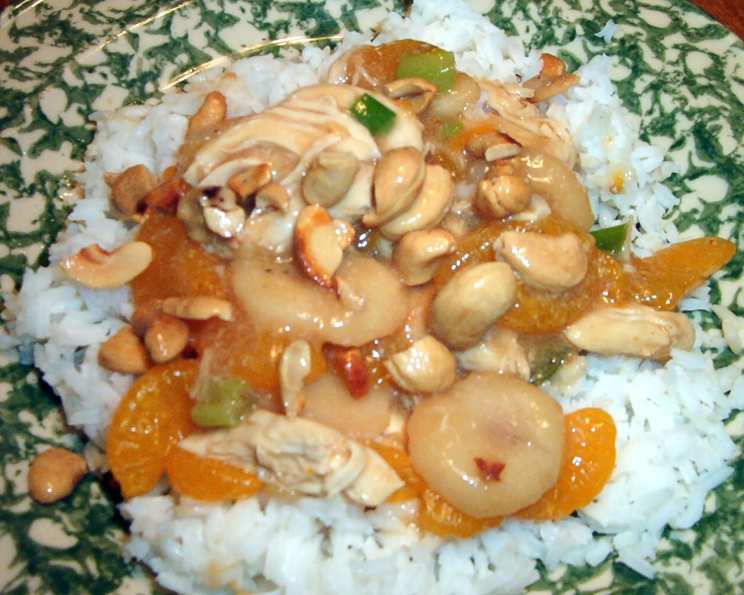
Diabetic-Friendly Cashew Chicken: A Guilt-Free Delight
The aroma of ginger, soy, and toasted cashews instantly transports me back to my tiny apartment kitchen, where I was experimenting with low-sodium Asian-inspired dishes after my father’s diabetes diagnosis. He loved takeout, but we needed healthier options. I spent weeks tinkering with sauces, sweeteners, and cooking methods until I landed on a version of cashew chicken that didn’t compromise on flavor but kept blood sugar levels in check. Seeing him enjoy a familiar favorite without worry was one of my proudest culinary moments.
Recipe Overview
- Prep Time: 25 minutes
- Cook Time: 20 minutes
- Total Time: 45 minutes
- Servings: 6
- Yield: 6 servings
- Dietary Type: Diabetic-Friendly
Ingredients
- 1 lb boneless skinless chicken breast, cut into strips
- ¼ cup orange juice
- 4 teaspoons cornstarch, divided
- 1 teaspoon vegetable oil
- ¼ cup chopped cashews
- 1 (8 ounce) can sliced water chestnuts, drained
- 1 cup chopped green pepper
- ½ cup chopped green onion
- 1 tablespoon minced gingerroot
- 1 cup reduced-sodium fat-free chicken broth
- 2 tablespoons low sodium soy sauce
- 1 (11 ounce) can mandarin oranges in light syrup, drained
- 3 cups cooked brown rice (cooked without salt or fat)
Equipment Needed
- Medium bowl
- Nonstick skillet
- Measuring cups and spoons
Instructions
-
In a medium bowl, combine the chicken strips, orange juice, and 1 teaspoon of cornstarch. Cover the bowl and chill in the refrigerator for 1 hour. This allows the chicken to marinate and tenderize.
-
Heat the vegetable oil in a nonstick skillet over medium heat. Add the chopped cashews and cook, stirring constantly, for 30 seconds. The cashews should be lightly toasted but not burnt. Remove the cashews from the skillet and set aside.
-
Add the chicken mixture to the skillet. Cook, uncovered, over medium-high heat for 8 minutes, or until the chicken is lightly browned, stirring constantly. Ensure the chicken is cooked through and no longer pink inside.
-
Add the drained water chestnuts, chopped green pepper, and minced gingerroot to the skillet with the chicken. Cook for 5 minutes, stirring occasionally to prevent sticking.
-
In a separate small bowl, combine the reduced-sodium fat-free chicken broth, low sodium soy sauce, and the remaining 1 tablespoon of cornstarch. Whisk until the cornstarch is fully dissolved to avoid lumps in the sauce.
-
Pour the broth mixture into the skillet with the chicken and vegetables. Bring the mixture to a boil, then immediately reduce the heat to low. Cook, stirring constantly, until the sauce has thickened. This usually takes about 2-3 minutes.
-
Remove the skillet from the heat. Gently stir in the drained mandarin oranges. Be careful not to break the orange segments.
-
Spoon the chicken mixture over 3 cups of cooked brown rice. Sprinkle with the toasted cashews.
-
Serve immediately and enjoy!
Expert Tips & Tricks
-
Marinating Magic: Don’t skip the marinating step! It infuses the chicken with flavor and helps keep it moist during cooking. For an even deeper flavor, marinate overnight.
-
Cashew Control: Watch the cashews carefully while toasting, as they can burn quickly. Toasting enhances their flavor but burnt cashews will ruin the dish.
-
Sauce Consistency: If your sauce isn’t thickening as much as you’d like, you can add a tiny bit more cornstarch slurry (1/2 teaspoon cornstarch mixed with 1 teaspoon cold water) to the simmering sauce. Add it gradually, stirring constantly, until you reach the desired consistency.
-
Ginger Zing: Fresh gingerroot makes a huge difference in the flavor of this dish. If you don’t have fresh ginger, you can use ground ginger, but start with a small amount (about 1/2 teaspoon) and taste as you go.
-
Vegetable Variations: Feel free to add other diabetic-friendly vegetables to this dish. Broccoli florets, sliced mushrooms, or snow peas would be excellent additions. Add them along with the green pepper and water chestnuts.
Serving & Storage Suggestions
Serve this Cashew Chicken immediately over a bed of warm, fluffy brown rice. A side of steamed broccoli or a light salad can complete the meal. Leftovers can be stored in an airtight container in the refrigerator for up to 3 days. To reheat, microwave until heated through, or gently warm in a skillet on the stovetop. Avoid reheating the dish multiple times. It is not recommended to freeze this dish, as the texture of the sauce and vegetables may change upon thawing.
Nutritional Information
| Nutrient | Amount per Serving | % Daily Value* |
|---|---|---|
| Calories | 305.5 kcal | N/A |
| Calories from Fat | 47 g | 16% |
| Total Fat | 5.3 g | 8% |
| Saturated Fat | 1.1 g | 5% |
| Cholesterol | 43.9 mg | 14% |
| Sodium | 295.3 mg | 12% |
| Total Carbohydrate | 43 g | 14% |
| Dietary Fiber | 4 g | 15% |
| Sugars | 11 g | N/A |
| Protein | 21.9 g | 43% |
*Percent Daily Values are based on a 2,000 calorie diet.
Variations & Substitutions
- Spice It Up: Add a pinch of red pepper flakes to the chicken mixture for a little heat.
- Soy-Free Option: Use coconut aminos instead of soy sauce for a soy-free version.
- Sweetener Substitute: If you find the dish needs a touch more sweetness, consider using a diabetic-friendly sweetener such as stevia or erythritol sparingly. Start with a very small amount (1/4 teaspoon) and adjust to taste.
- Nutty Alternatives: If you have a cashew allergy, try using slivered almonds or chopped walnuts instead.
- Vegetarian Option: Substitute the chicken with firm tofu, pressed to remove excess water and then cubed.
FAQs (Frequently Asked Questions)
Q: Is this recipe really suitable for diabetics?
A: Yes, this recipe uses lean chicken breast, low-sodium soy sauce, and brown rice, which are all good choices for managing blood sugar. Portion control is also important.
Q: Can I use regular soy sauce instead of low sodium?
A: You can, but the sodium content will be significantly higher. If you do, consider reducing the amount of soy sauce by half and tasting to adjust.
Q: What can I use instead of brown rice?
A: Quinoa or cauliflower rice are excellent lower-carb alternatives to brown rice.
Q: Can I prepare this dish ahead of time?
A: You can chop the vegetables and marinate the chicken in advance. However, it’s best to cook the dish fresh for the best flavor and texture.
Q: Are the mandarin oranges really necessary? They seem high in sugar.
A: The mandarin oranges add a touch of sweetness and acidity that balances the savory flavors. Using canned mandarin oranges in light syrup and draining them well helps to minimize the sugar content. You can also use fresh mandarin oranges segments or omit them altogether if you prefer.
Final Thoughts
This Diabetic-Friendly Cashew Chicken is a testament to the fact that healthy eating doesn’t have to be boring or restrictive. It’s a vibrant, flavorful dish that’s both satisfying and good for you. I encourage you to try it out, experiment with different vegetables and spice levels, and make it your own. I would love to hear your feedback, tips, and variations, so don’t hesitate to share your culinary journey! Consider serving it with a refreshing cucumber and mint salad for a balanced and delightful meal. Bon appétit!