
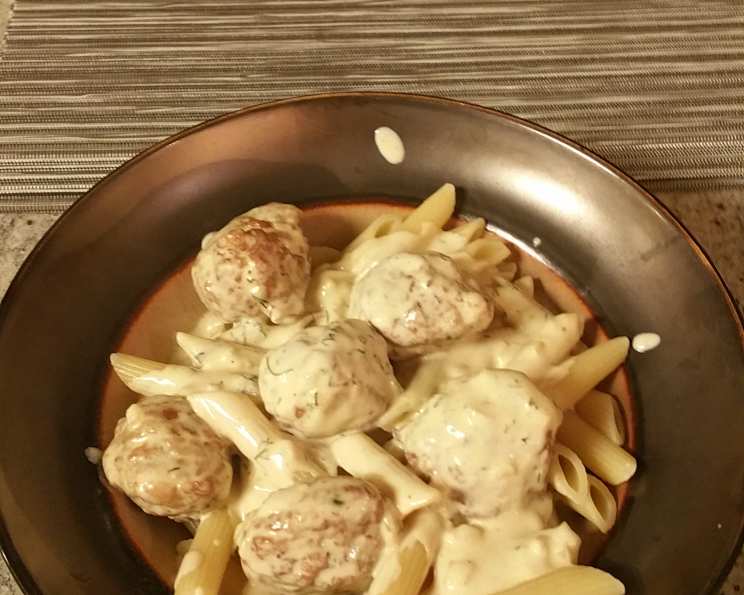
Dijon Dill Cream Sauce: A Chef’s Culinary Secret
My grandmother, bless her heart, wasn’t much of a risk-taker in the kitchen. Her repertoire consisted mainly of pot roasts and simple baked chicken. But every so often, when she was feeling adventurous (which translated to having a particularly good day), she’d whip up a batch of this Dijon Dill Cream Sauce. The creamy, tangy aroma would fill her small kitchen, and suddenly, even her most humble dishes felt elevated to something truly special. I remember dipping chunks of crusty bread into that sauce, savoring the way the Dijon and dill danced on my tongue, a memory that still brings me comfort today.
Recipe Overview
- Prep Time: 10 minutes
- Cook Time: 25 minutes
- Total Time: 35 minutes
- Yields: 1 cup
- Serves: 4-6
- Dietary Type: Vegetarian (can be modified for Gluten-Free)
Ingredients
- 1 medium onion, chopped
- 1 cup chicken broth (vegetable broth for vegetarian option)
- 1 cup heavy cream
- 3 tablespoons Dijon mustard
- 1 tablespoon dried chopped dill weed (not seed)
Equipment Needed
- Saucepan
- Wooden spoon or spatula
Instructions
- Begin by placing the chopped onion in a saucepan along with the chicken broth (or vegetable broth).
- Bring the mixture to a boil over medium-high heat. This step is crucial for softening the onion and infusing its flavor into the broth.
- Continue to boil the onion and broth until most of the broth has been absorbed, and the onions are thoroughly softened. This typically takes about 15-20 minutes. Keep a close eye on it, stirring occasionally to prevent sticking and burning. The goal is to have the onions almost translucent and very tender.
- Once the broth has reduced significantly and the onions are softened, add the heavy cream to the saucepan.
- Reduce the heat to medium, allowing the cream to gently simmer. The key here is to avoid boiling the cream vigorously, as this can cause it to curdle.
- Continue to reduce the cream by approximately 1/4, or until the mixture reaches your desired consistency for a sauce. This step thickens the sauce, concentrating the flavors and creating a luscious texture. This usually takes around 5-7 minutes. Stir frequently to prevent sticking and ensure even heating.
- Once the sauce has thickened to your liking, remove the saucepan from the heat.
- Stir in the Dijon mustard and dried chopped dill. It’s important to add the mustard off the heat to prevent it from becoming bitter. The dill adds a fresh, herbaceous note that complements the tanginess of the mustard.
- Stir well to combine all the ingredients, ensuring that the mustard and dill are evenly distributed throughout the sauce.
- Serve immediately over your favorite dish.
Expert Tips & Tricks
- For a smoother sauce: If you prefer a completely smooth sauce, you can use an immersion blender to puree the sauce after the onions have softened but before adding the heavy cream. Be cautious when blending hot liquids. Alternatively, allow the sauce to cool slightly and carefully transfer it to a regular blender.
- Fresh Dill: While the recipe calls for dried dill, fresh dill can be used. Use about 3 tablespoons of finely chopped fresh dill, adding it at the very end for the best flavor.
- Flavor Boost: For an extra layer of flavor, consider sautéing a minced clove of garlic with the onion at the beginning.
- Adjusting Thickness: If the sauce is too thin, continue simmering it over low heat until it reaches your desired consistency. If it becomes too thick, add a splash of milk or broth to thin it out.
- Seasoning: Taste the sauce before serving and adjust the seasoning as needed. You may want to add a pinch of salt and pepper to enhance the flavors. Remember that Dijon mustard can vary in saltiness, so taste before adding extra salt.
Serving & Storage Suggestions
This Dijon Dill Cream Sauce is incredibly versatile. It’s delicious served over breaded chicken cutlets, grilled salmon, roasted vegetables, or even tossed with pasta. It also makes a fantastic dipping sauce for artichokes or asparagus.
- Serving: Serve the sauce warm or at room temperature. Garnish with a sprig of fresh dill or a sprinkle of paprika for added visual appeal.
- Storage: Leftover sauce can be stored in an airtight container in the refrigerator for up to 3 days.
- Reheating: To reheat, gently warm the sauce in a saucepan over low heat, stirring frequently. Avoid boiling, as this can cause the cream to separate. You can also reheat it in the microwave in short intervals, stirring in between.
- Freezing: Freezing is not recommended as the cream may separate upon thawing, altering the sauce’s texture.
Nutritional Information
| Nutrient | Amount per Serving | % Daily Value |
|---|---|---|
| Calories | 233.9 kcal | N/A |
| Calories from Fat | 204 g | 87% |
| Total Fat | 22.7 g | 34% |
| Saturated Fat | 13.8 g | 69% |
| Cholesterol | 81.5 mg | 27% |
| Sodium | 340.3 mg | 14% |
| Total Carbohydrate | 5.5 g | 1% |
| Dietary Fiber | 0.8 g | 3% |
| Sugars | 1.7 g | 6% |
| Protein | 3.1 g | 6% |
Note: Nutritional information is an estimate and may vary based on specific ingredients and preparation methods.
Variations & Substitutions
- Gluten-Free: This recipe is naturally gluten-free. Ensure your broth is also gluten-free if needed.
- Dairy-Free: For a dairy-free option, substitute the heavy cream with full-fat coconut cream or cashew cream. Note that this will alter the flavor slightly.
- Spicy Kick: Add a pinch of red pepper flakes or a dash of hot sauce for a spicy twist.
- Lemon Variation: Stir in a tablespoon of lemon juice at the end for a brighter, more citrusy flavor.
- Herb Variations: Experiment with other herbs such as tarragon, parsley, or chives. Use about 1 tablespoon of dried herbs or 3 tablespoons of fresh, chopped herbs.
- Mustard Variations: Stone-ground mustard can be used instead of Dijon. You may need to use a little more or less to taste.
FAQs (Frequently Asked Questions)
Q: Can I make this sauce ahead of time?
A: Yes, you can prepare the sauce a day in advance and store it in the refrigerator. Reheat gently before serving.
Q: Can I use milk instead of heavy cream?
A: While you can use milk, the sauce will be thinner and less rich. For a thicker sauce with milk, consider adding a cornstarch slurry (1 tablespoon cornstarch mixed with 2 tablespoons cold water) during the simmering process.
Q: What can I serve this sauce with besides chicken?
A: This sauce is delicious with fish, vegetables (especially asparagus and broccoli), potatoes, and even as a topping for eggs.
Q: My sauce curdled. What did I do wrong?
A: Curdling usually happens when the cream is boiled too vigorously or exposed to sudden temperature changes. Be sure to simmer the cream gently over medium-low heat.
Q: Can I use dried dill seed instead of dried dill weed?
A: No, dill seed has a different flavor profile than dill weed. Dill weed provides a more herbaceous and fresh flavor, while dill seed has a stronger, slightly bitter taste.
Final Thoughts
This Dijon Dill Cream Sauce is a testament to the fact that even the simplest ingredients, when combined with care and a little bit of culinary know-how, can create something truly extraordinary. I encourage you to try this recipe, experiment with different variations, and make it your own. Whether you’re drizzling it over roasted chicken, pairing it with grilled salmon, or simply using it as a dipping sauce, I hope it brings you as much joy and comfort as it has brought me over the years. Don’t be afraid to share your creations and feedback – I’m always eager to hear how you’ve made this recipe your own! Perhaps you’ll even discover your own cherished memories associated with this delightful sauce, just like I have.