
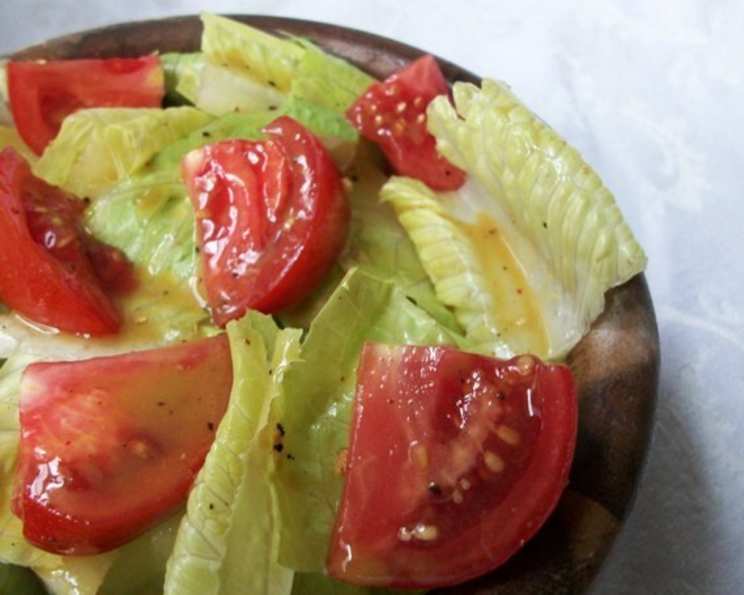
Dijon-Lemon Vinaigrette: A Zesty Symphony
I remember the first time I truly appreciated a well-made vinaigrette. It wasn’t in a fancy restaurant, but at a small farmers market in Provence. The vendor, a kind woman with sun-kissed skin and flour-dusted hands, drizzled a simple Dijon-lemon dressing over freshly picked greens. The bright, tangy flavors danced on my tongue, a perfect counterpoint to the earthy vegetables. From that moment on, I understood the transformative power of a good vinaigrette. It’s a kitchen staple, a culinary chameleon that can elevate the simplest salad or grilled dish.
Recipe Overview
- Prep Time: 5 minutes
- Cook Time: 0 minutes
- Total Time: 5 minutes
- Yield: 2/3 cup
- Dietary Type: Gluten-Free, Dairy-Free
Ingredients
- 1 tablespoon vegetable broth (optional) or 1 tablespoon water (optional)
- 2 tablespoons fresh lemon juice
- 2 tablespoons extra virgin olive oil
- 1 1/2 tablespoons red wine vinegar
- 1 tablespoon Dijon mustard
- 2 teaspoons minced garlic
- 2 teaspoons Worcestershire sauce
- 1/2 teaspoon black pepper
- 1/4 teaspoon salt
Equipment Needed
- Small jar with lid
- Measuring spoons and cups
Instructions
-
In a small jar with a tight-fitting lid, combine all of the ingredients. This includes the 1 tablespoon of optional vegetable broth or water, 2 tablespoons of fresh lemon juice, 2 tablespoons of extra virgin olive oil, 1 1/2 tablespoons of red wine vinegar, 1 tablespoon of Dijon mustard, 2 teaspoons of minced garlic, 2 teaspoons of Worcestershire sauce, 1/2 teaspoon of black pepper, and 1/4 teaspoon of salt.
-
Secure the lid tightly onto the jar.
-
Shake the jar vigorously for about 30 seconds, or until all of the ingredients are thoroughly combined and the vinaigrette appears emulsified. This process creates a temporary emulsion, where the oil and vinegar are dispersed evenly throughout the mixture.
-
Store the vinaigrette in the refrigerator until ready to use.
Expert Tips & Tricks
- Emulsification: Achieving a good emulsion is key to a smooth, creamy vinaigrette. Shaking vigorously helps to break down the oil into tiny droplets that are suspended in the vinegar. If the vinaigrette separates after being stored, simply shake it again before using.
- Garlic Intensity: The intensity of the garlic flavor will mellow over time. If you prefer a milder garlic taste, you can use garlic powder instead of fresh minced garlic (about 1/2 teaspoon should suffice).
- Mustard Matters: The type of Dijon mustard you use can slightly alter the flavor profile. A stone-ground Dijon will add a bit of texture and a more pronounced mustard flavor, while a smooth Dijon will create a more refined vinaigrette.
- Lemon Zest Boost: For an extra burst of lemon flavor, add a teaspoon of finely grated lemon zest to the vinaigrette. Be sure to zest the lemon before juicing it.
- Sweetness Adjustment: If you prefer a sweeter vinaigrette, you can add a teaspoon of honey or maple syrup. Start with a little and taste as you go, adjusting to your preference.
Serving & Storage Suggestions
This Dijon-Lemon Vinaigrette is incredibly versatile and can be used in a variety of ways.
- Salads: It’s perfect for dressing leafy green salads, mixed vegetable salads, or even fruit salads.
- Grilled Vegetables: Drizzle it over grilled asparagus, zucchini, bell peppers, or eggplant for a flavorful and healthy side dish.
- Marinade: Use it as a marinade for chicken, fish, or shrimp. The acidity of the lemon juice and vinegar will help to tenderize the meat.
- Finishing Sauce: Spoon it over cooked grains like quinoa or couscous to add brightness and flavor.
Storage: Store the vinaigrette in an airtight container (the jar you mixed it in is ideal) in the refrigerator. It will keep for up to 1 week. The vinaigrette may separate upon standing, so be sure to shake well before using. While the ingredients themselves are shelf-stable, the fresh garlic will eventually degrade and may affect the taste and safety of the dressing, so it’s best to use it within a week. Due to the nature of the ingredients, this vinaigrette is not suitable for freezing.
Nutritional Information
Note: Nutritional information is an estimate and may vary based on specific ingredients used.
| Nutrient | Amount per Serving | % Daily Value |
|---|---|---|
| Calories | Approximately 60 kcal | 3% |
| Total Fat | 6g | 8% |
| Saturated Fat | 1g | 5% |
| Cholesterol | 0mg | 0% |
| Sodium | 100mg | 4% |
| Total Carbohydrate | 2g | 1% |
| Dietary Fiber | 0g | 0% |
| Sugars | 1g | 2% |
| Protein | 0g | 0% |
Variations & Substitutions
- Herb Infusion: Add fresh herbs like thyme, rosemary, or parsley to the vinaigrette for an herbaceous twist. Mince the herbs finely and add them to the jar before shaking.
- Spicy Kick: Add a pinch of red pepper flakes or a dash of hot sauce for a spicy vinaigrette.
- Citrus Variations: Experiment with different citrus juices, such as lime, orange, or grapefruit, in place of the lemon juice.
- Vinegar Swap: Try using white wine vinegar, apple cider vinegar, or balsamic vinegar instead of red wine vinegar for a different flavor profile.
- Vegan Worcestershire: Ensure your Worcestershire sauce is vegan, as traditional versions contain anchovies. There are many readily available vegan substitutes.
- Oil Options: While extra virgin olive oil is recommended for its flavor and health benefits, you can use other oils like avocado oil or grapeseed oil.
FAQs (Frequently Asked Questions)
Q: Why is it important to shake the vinaigrette vigorously?
A: Shaking helps to emulsify the oil and vinegar, creating a stable mixture that coats the salad greens evenly. Without proper emulsification, the oil and vinegar will separate, resulting in an unevenly dressed salad.
Q: Can I make this vinaigrette in advance?
A: Yes, you can make it up to a week in advance and store it in the refrigerator. Just be sure to shake it well before using, as the ingredients may separate over time.
Q: What if I don’t have fresh lemon juice?
A: While fresh lemon juice is ideal, you can use bottled lemon juice as a substitute. However, the flavor may not be as bright and vibrant.
Q: Can I use dried garlic instead of minced garlic?
A: Yes, you can substitute dried garlic powder for minced garlic. Use about 1/2 teaspoon of garlic powder for every 2 teaspoons of minced garlic.
Q: What can I do if my vinaigrette is too acidic?
A: If the vinaigrette is too tart for your liking, you can add a small amount of honey, maple syrup, or agave nectar to balance the acidity. Start with a teaspoon and add more to taste.
Final Thoughts
This Dijon-Lemon Vinaigrette is a simple yet elegant dressing that can transform any dish. Its bright, tangy flavor is a welcome addition to salads, grilled vegetables, and marinades. Don’t be afraid to experiment with the ingredients and adjust the recipe to your personal taste. Once you master this basic vinaigrette, you’ll find yourself reaching for it time and time again. Try pairing it with a simple grilled chicken breast and a side of roasted asparagus for a complete and satisfying meal. Enjoy the zesty symphony!