
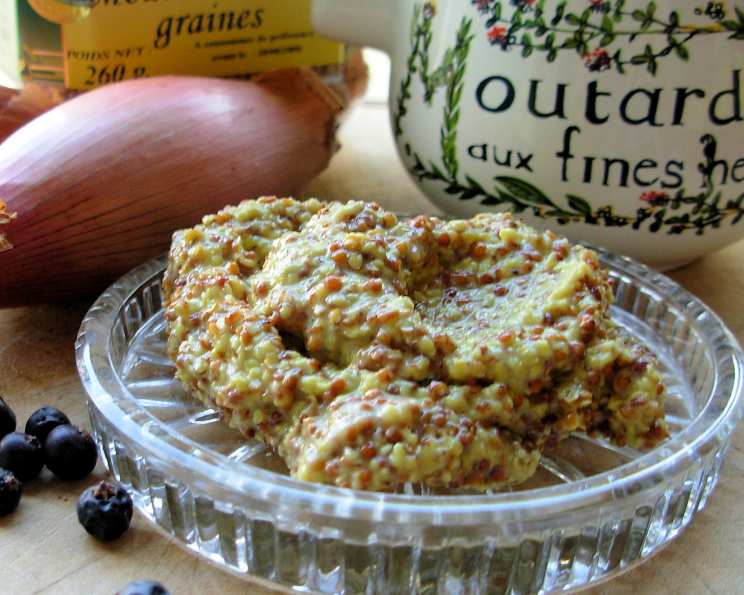
The Tangy Magic of Homemade Dijon: A Sara Moulton Classic
I can still remember the first time I tasted truly exceptional mustard. It wasn’t the yellow stuff squeezed from a plastic bottle at a summer barbecue, but a complex, nuanced condiment served alongside a charcuterie board at a tiny bistro in Lyon. The sharpness, the subtle spice, the way it elevated every bite of saucisson sec – it was a revelation. From that moment on, I was determined to unlock the secrets of mustard-making. This recipe, adapted from Sara Moulton, brings that same magic into your own kitchen. It’s a journey in patience, as the mustard needs time to mellow, but the end result is well worth the wait.
Recipe Overview
- Prep Time: 30 minutes
- Cook Time: 15 minutes
- Total Time: 6 weeks, 30 minutes (includes resting time)
- Yields: 2 cups
- Serves: 32
- Dietary Type: Vegan, Gluten-Free, Dairy-Free
Ingredients
- ¾ cup hot mustard powder
- ¼ cup very cold water
- 1 cup cider vinegar
- 1 cup dry white wine
- ½ cup minced yellow onion
- ¼ cup minced shallot
- 3 tablespoons minced garlic
- 1 bay leaf
- 2 teaspoons whole black peppercorns
- 4 whole juniper berries
- 2 tablespoons very cold fresh lemon juice
- 2 teaspoons kosher salt
- 2 teaspoons sugar
Equipment Needed
- Mixing bowl
- Saucepan
- Fine-mesh strainer
- Sterilized jar with a tight-fitting lid
- Whisk
- Measuring cups and spoons
Instructions
- In a mixing bowl, stir together the mustard powder and very cold water to form a paste. Ensure there are no lumps and the mixture is smooth.
- In a separate saucepan, combine the cider vinegar, dry white wine, minced yellow onion, minced shallot, minced garlic, bay leaf, whole black peppercorns, and whole juniper berries.
- Bring this mixture to a simmer over moderate heat.
- Simmer the mixture until it has been reduced by two-thirds. This concentrates the flavors and creates a rich base for the mustard. Watch carefully to prevent burning.
- Strain the reduced vinegar mixture through a fine-mesh strainer to remove the solids. Discard the solids.
- Cover the strained liquid and chill thoroughly in the refrigerator. This step is crucial for mellowing the flavors.
- Once the vinegar reduction is thoroughly chilled, stir it into the mustard paste.
- Add the very cold fresh lemon juice, kosher salt, and sugar to the mixture. Stir well to combine all ingredients.
- Let the mixture stand for at least 20 minutes. This allows the flavors to further meld.
- Transfer the mustard mixture to a clean saucepan.
- Bring the mixture to a simmer over very low heat, stirring constantly to prevent sticking.
- Cook for 15 minutes, continuing to stir gently. The mixture will thicken slightly.
- Remove from the heat and allow to cool completely.
- Transfer the cooled mustard to a sterilized jar. Seal the jar tightly.
- Store the sealed jar in a dark, cool place for at least 6 weeks before using. This aging process is essential for the mustard to mellow and develop its characteristic flavor. Unopened, the mustard can keep for years.
- Once opened, refrigerate the mustard. It will keep for up to 6 months in the refrigerator.
Expert Tips & Tricks
- Finding the Right Mustard Powder: The quality of your mustard powder directly impacts the final flavor. Look for a hot mustard powder for an authentic Dijon kick. Penzey’s is an excellent source, but many specialty spice shops carry quality options.
- Achieving the Perfect Consistency: If your mustard is too thick after cooking, add a tablespoon or two of water to thin it out. Conversely, if it’s too thin, simmer it for a few more minutes to reduce the liquid.
- Flavor Infusion: Feel free to experiment with additional flavorings. Consider adding a pinch of cayenne pepper for extra heat, a teaspoon of dried tarragon for an herbal note, or a drizzle of honey for sweetness. Add these extra ingredients after the initial cooking, during the cooling stage, so you can taste and adjust as needed.
- Temperature Control: Paying close attention to the simmering process is essential. Too high a heat can scorch the mustard, while too low a heat can result in a thin and watery end product.
- Don’t skip the 6-week wait: This is crucial. Freshly made mustard will taste very sharp and almost bitter. The resting period mellows out those harsh flavors and allows the complex flavors of the spices to really shine.
Serving & Storage Suggestions
This homemade Dijon mustard is incredibly versatile. Serve it:
- As part of a charcuterie board, alongside cheeses, cured meats, and crusty bread.
- As a condiment for sandwiches, burgers, and hot dogs.
- As an ingredient in salad dressings, marinades, and sauces.
- As a glaze for roasted meats or vegetables.
- As an accompaniment to grilled sausages or steak.
Store your homemade Dijon mustard in a sterilized jar in the refrigerator after opening. It will keep for up to 6 months. While unopened, the mustard will keep for years in a cool, dark place.
Nutritional Information
Note: Nutritional information is an estimate and may vary based on specific ingredients used.
| Nutrient | Amount per Serving | % Daily Value |
|---|---|---|
| Calories | 32 kcal | 2% |
| Total Fat | 1 g | 1% |
| Saturated Fat | 0 g | 0% |
| Cholesterol | 0 mg | 0% |
| Sodium | 110 mg | 5% |
| Total Carbohydrate | 3 g | 1% |
| Dietary Fiber | 1 g | 4% |
| Sugars | 1 g | 2% |
| Protein | 1 g | 2% |
Variations & Substitutions
- Sweet Mustard: For a sweeter mustard, add 1-2 tablespoons of honey or maple syrup to the mixture during the final cooking stage.
- Spicy Mustard: Increase the heat by adding a pinch of cayenne pepper or a dash of hot sauce to the mixture. You could also use a spicier mustard powder blend.
- Herbed Mustard: Stir in 1-2 tablespoons of finely chopped fresh herbs, such as tarragon, thyme, or rosemary, during the cooling stage.
- Beer Mustard: Substitute the dry white wine with an equal amount of your favorite beer for a unique flavor profile. A dark ale or stout would add depth.
- Vinegar Variations: While cider vinegar is traditional, try using white wine vinegar or red wine vinegar for slightly different flavour notes.
FAQs (Frequently Asked Questions)
Q: Why does the mustard need to rest for 6 weeks?
A: The resting period allows the mustard’s sharp, initially bitter flavors to mellow and meld together, resulting in a smoother, more complex taste.
Q: Can I use yellow mustard powder instead of hot mustard powder?
A: While you can, the flavor profile will be significantly different. Hot mustard powder provides the characteristic Dijon bite; yellow mustard powder will result in a much milder, less spicy mustard.
Q: What does it mean to “sterilize” a jar?
A: Sterilizing a jar involves boiling it in water for 10 minutes to kill any bacteria, ensuring a longer shelf life for your mustard. You can also run the jar through a hot cycle in your dishwasher.
Q: Can I adjust the amount of garlic or onion?
A: Absolutely! Feel free to adjust the amounts of garlic and onion to suit your personal preferences. Just remember that these ingredients contribute significantly to the overall flavor.
Q: Is it safe to store the mustard at room temperature before opening?
A: Yes, as long as the jar is properly sealed and sterilized, it’s safe to store the mustard in a cool, dark place at room temperature until opened. Once opened, refrigeration is necessary.
Final Thoughts
Crafting your own Dijon mustard is a rewarding culinary experience. It requires patience, but the vibrant, complex flavor you achieve will far surpass anything you can buy in a store. Don’t be afraid to experiment with variations and make it your own. Share your creations with friends and family, and let them taste the difference homemade makes. I encourage you to embark on this flavorful journey, and I’d love to hear about your own mustard-making adventures! Consider pairing your homemade Dijon with a crusty baguette and some artisanal cheeses for a simple yet elegant appetizer. Bon appétit!