
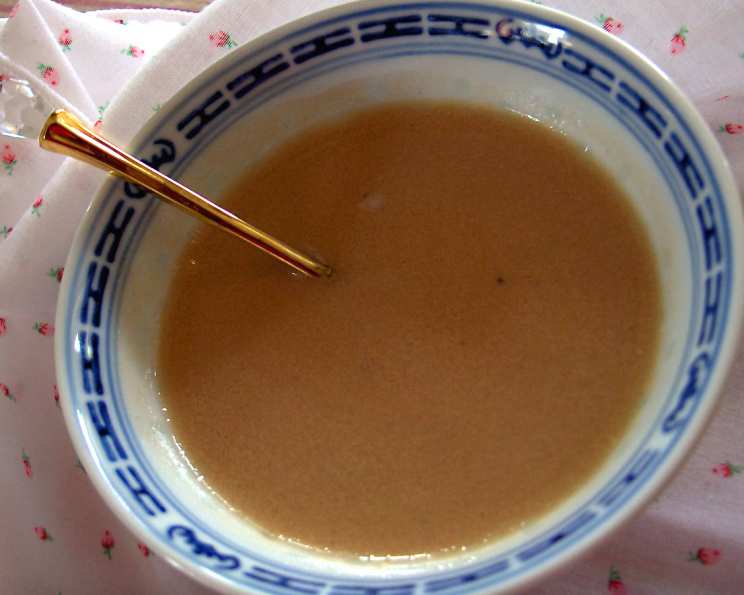
Elevate Your Salads: The Ultimate Dijon Red Wine Vinaigrette Recipe
My grandmother, bless her heart, was a firm believer in the power of a good salad. Not just any salad, mind you, but one bursting with fresh, vibrant ingredients and, most importantly, a homemade dressing that sang with flavor. I remember countless summer afternoons spent in her garden, picking lettuce and herbs, the air thick with the scent of tomatoes and the promise of a delicious lunch. This Dijon Red Wine Vinaigrette reminds me of those simple, joyful moments—a testament to the transformative power of a well-made dressing.
Recipe Overview
- Prep Time: 5 minutes
- Cook Time: 0 minutes
- Total Time: 5 minutes
- Servings: 4
- Yield: Approximately 3/4 cup
- Dietary Type: Vegan, Gluten-Free, Dairy-Free
Ingredients
- 5 tablespoons red wine vinegar
- 1 shallot, minced
- 1 tablespoon Dijon mustard
- 1⁄4 teaspoon sea salt
- 1⁄4 teaspoon fresh ground pepper
- 2 tablespoons extra virgin olive oil
Equipment Needed
- Medium bowl
- Whisk
- Measuring spoons
- Measuring cups
- Airtight container (for storage)
Instructions
-
In a medium bowl, combine the red wine vinegar, minced shallot, Dijon mustard, sea salt, and fresh ground pepper. Make sure the shallot is finely minced to evenly distribute its flavor throughout the vinaigrette.
-
Slowly whisk in the extra virgin olive oil until the mixture is well blended and emulsified. This means the oil and vinegar should combine into a smooth, cohesive dressing, rather than separating. Whisking slowly and steadily helps create this emulsion.
-
Use immediately, or store in an airtight container in the refrigerator until ready to use. The vinaigrette may separate upon refrigeration, which is normal.
-
Before using vinaigrette after refrigerating, bring to room temperature, and stir or shake vigorously to remix the ingredients. This will re-emulsify the dressing and ensure a consistent flavor and texture.
Expert Tips & Tricks
-
Shallot Savvy: Mincing the shallot very finely prevents large chunks of onion flavor from dominating the vinaigrette. If you have a food processor, you can pulse the shallot until it’s finely chopped, but be careful not to over-process it into a paste. Alternatively, soak the minced shallots in cold water for 10 minutes before adding them to the vinaigrette. This will mellow their sharp bite.
-
Mustard Magic: Dijon mustard acts as an emulsifier, helping the oil and vinegar bind together. Using a high-quality Dijon mustard will significantly impact the flavor of the vinaigrette. Experiment with different types of Dijon mustard to find your favorite. Some have a smoother texture, while others have a more pronounced bite.
-
Oil Quality Matters: Since the dressing consists of so few ingredients, the quality of the olive oil is paramount. Opt for a fruity, high-quality extra virgin olive oil.
-
Adjust to Your Taste: Feel free to adjust the amounts of vinegar, salt, and pepper to suit your personal preferences. A tiny pinch of sugar or honey can also balance the acidity if you prefer a slightly sweeter vinaigrette.
-
Emulsification Enhancement: If you’re having trouble getting the vinaigrette to emulsify, try adding a tiny bit of warm water (about a teaspoon) while whisking. The warmth can help the oil and vinegar combine more easily. Alternatively, use an immersion blender or regular blender for a super smooth and stable emulsion.
-
Make-Ahead Marvel: This vinaigrette can be made several days in advance. In fact, the flavors often meld and improve over time as it sits in the refrigerator. Just be sure to bring it to room temperature and whisk or shake it well before using.
Serving & Storage Suggestions
This Dijon Red Wine Vinaigrette is incredibly versatile and can be used on a variety of salads. It’s particularly delicious on leafy green salads with grilled chicken or fish, roasted vegetables, or even a simple tomato and cucumber salad. Drizzle it over a Caprese salad for an extra burst of flavor. It also makes a fantastic marinade for chicken or pork.
To store the vinaigrette, transfer it to an airtight container, such as a glass jar with a lid. It will keep in the refrigerator for up to 1 week. As mentioned before, the vinaigrette may separate during refrigeration, so be sure to bring it to room temperature and shake or whisk well before using. It is not recommended to freeze this vinaigrette as freezing can negatively affect the emulsion and texture.
Nutritional Information
Here’s an approximate nutritional breakdown per serving (about 2 tablespoons):
| Nutrient | Amount per Serving | % Daily Value |
|---|---|---|
| Calories | 70 kcal | 4% |
| Total Fat | 7g | 11% |
| Saturated Fat | 1g | 5% |
| Cholesterol | 0mg | 0% |
| Sodium | 85mg | 4% |
| Total Carbohydrate | 1g | 0% |
| Dietary Fiber | 0g | 0% |
| Sugars | 0g | 0% |
| Protein | 0g | 0% |
Note: Nutritional information is an estimate and may vary based on specific ingredients and portion sizes.
Variations & Substitutions
- Herb Infusion: Infuse the vinaigrette with fresh herbs like thyme, rosemary, or oregano. Simply add a sprig or two of your favorite herb to the vinaigrette while it sits in the refrigerator. Remove the herbs before serving.
- Sweet and Tangy: Add a teaspoon of honey or maple syrup for a touch of sweetness.
- Spicy Kick: Add a pinch of red pepper flakes for a little heat.
- Citrus Zing: Substitute some of the red wine vinegar with lemon or orange juice for a citrusy twist.
- Garlic Lovers: Add a clove of minced garlic for a bolder flavor.
- Balsamic Bliss: Use balsamic vinegar instead of red wine vinegar for a sweeter, richer vinaigrette.
- Nutty Notes: Incorporate a teaspoon of toasted sesame oil or walnut oil for a unique flavor profile.
FAQs (Frequently Asked Questions)
Q: Why does my vinaigrette separate?
A: Vinaigrettes are emulsions, meaning they’re a mixture of oil and water-based ingredients (like vinegar). Oil and water naturally separate, so the vinaigrette will separate over time, especially in the refrigerator. Whisking or shaking vigorously before use will re-emulsify it.
Q: Can I use a different type of mustard?
A: While Dijon mustard is traditionally used, you can experiment with other types of mustard like whole grain mustard or even a flavored mustard for a different flavor profile. Keep in mind that the flavor will change depending on the type of mustard you use.
Q: How long does this vinaigrette last in the refrigerator?
A: This vinaigrette will last for up to 1 week in an airtight container in the refrigerator.
Q: Can I use dried herbs instead of fresh?
A: While fresh herbs are preferred for their vibrant flavor, you can use dried herbs in a pinch. Use about 1/3 the amount of dried herbs as you would fresh herbs (e.g., if the recipe calls for 1 tablespoon of fresh herbs, use 1 teaspoon of dried herbs).
Q: Can I make this vinaigrette without shallots?
A: Yes, you can omit the shallots or substitute them with a small amount of finely minced red onion. However, the shallots add a distinct flavor that complements the other ingredients, so it’s recommended to use them if possible.
Final Thoughts
This Dijon Red Wine Vinaigrette is more than just a salad dressing; it’s a flavor enhancer, a culinary chameleon that can transform a simple dish into something truly special. So, gather your ingredients, grab a whisk, and let the flavors dance. I encourage you to experiment with different variations, find your own signature twist, and share your creations with friends and family. After all, the best meals are those shared with loved ones. And remember, a great dressing is the key to a truly memorable salad!