
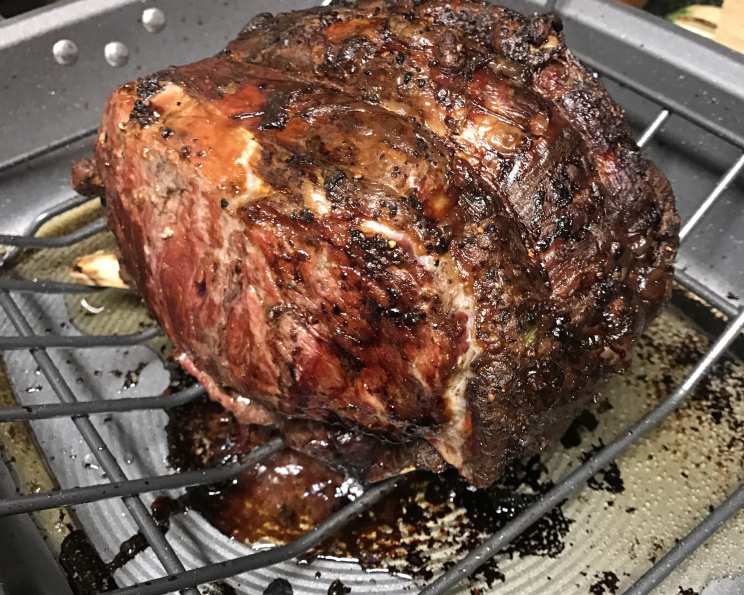
Dijon-Wine Marinated Rib Roast: A Culinary Celebration
The aroma alone transports me back to my grandmother’s cozy kitchen during the holidays. The anticipation, the rich scent of roasting beef mingling with the subtle notes of wine and herbs – it was pure magic. This Dijon-Wine Marinated Rib Roast is more than just a recipe; it’s a tradition, a centerpiece of countless family gatherings, and a testament to the simple joys of sharing good food with loved ones. Every perfectly seared slice evokes those cherished memories, reminding me of the warmth, laughter, and unwavering love that filled my grandmother’s home. It’s a dish that nourishes both the body and the soul, and I’m thrilled to share it with you.
Recipe Overview
- Prep Time: 8 hours 15 minutes
- Cook Time: 1 hour 15 minutes
- Total Time: 9 hours 30 minutes
- Servings: 8-10
- Yield: One 3-4 lb roast
- Dietary Type: Gluten-Free
Ingredients
- 3-4 lbs boneless rib-eye roast or 3-4 lbs rump roast
- ½ cup Burgundy wine or ½ cup dry red wine
- 2 tablespoons fresh ground pepper
- 2 tablespoons olive oil
- 1 tablespoon Dijon mustard
- ½ teaspoon salt
- ⅛ teaspoon dried tarragon
- 1 garlic clove, crushed
Equipment Needed
- Large heavy-duty, zip-top plastic bag
- Shallow roasting pan
- Roasting rack
- Meat thermometer
Instructions
- Begin by preparing the marinade. Place the rib roast (or rump roast, if preferred) in a large, heavy-duty, zip-top plastic bag. This bag will allow the marinade to evenly coat the meat as it tenderizes.
- In a separate bowl, combine the marinade ingredients: Burgundy wine (or your favorite dry red wine), fresh ground pepper, olive oil, Dijon mustard, salt, dried tarragon, and the crushed garlic clove. Whisk until well combined.
- Pour the wine marinade over the roast in the plastic bag. Ensure the roast is completely submerged in the marinade.
- Seal the bag tightly, removing as much air as possible. Gently massage the bag to distribute the marinade evenly over the surface of the roast.
- Marinate the roast in the refrigerator for at least 8 hours, or preferably overnight. Turn the bag occasionally to ensure the meat marinates evenly on all sides. This extended marinating time is crucial for infusing the meat with the complex flavors of the wine and spices.
- After the marinating period, remove the roast from the bag and discard the marinade. Do not reuse the marinade.
- Place a roasting rack inside a shallow roasting pan. Position the roast on the rack. This allows for even heat circulation around the meat, promoting consistent cooking.
- Insert a meat thermometer into the thickest part of the roast, being careful not to let the tip touch any bone or fat. Accurate temperature monitoring is essential for achieving the desired level of doneness.
- Preheat your oven to 350°F (175°C).
- Bake the roast at 350°F for 1 hour and 15 minutes.
- After 1 hour and 15 minutes check the internal temperature of the roast. Continue baking until the meat thermometer registers 145°F (63°C) for medium-rare or 160°F (71°C) for medium. Remember, carryover cooking will raise the temperature a few degrees after the roast is removed from the oven.
- Once the roast has reached the desired internal temperature, remove it from the oven and transfer it to a cutting board.
- Tent the roast loosely with foil and let it rest for at least 10 minutes before slicing. This resting period allows the juices to redistribute throughout the meat, resulting in a more tender and flavorful result.
- After resting, carve the roast against the grain into thin slices and serve immediately.
Expert Tips & Tricks
- Marinating Time is Key: Don’t skimp on the marinating time! The longer the roast marinates, the more flavorful and tender it will be. Overnight is ideal.
- Room Temperature Start: For more even cooking, let the roast sit at room temperature for about an hour before placing it in the oven. This helps to relax the muscle fibers.
- Doneness is Personal: Use a reliable meat thermometer and adjust the cooking time according to your preferred level of doneness. Remember that the internal temperature will continue to rise slightly after the roast is removed from the oven.
- Save the Drippings: Don’t discard the pan drippings! They can be used to create a flavorful gravy or au jus to serve with the roast. Simply skim off any excess fat and whisk in a slurry of cornstarch and water to thicken.
- Sear for Flavor: For an extra boost of flavor and a beautiful crust, sear the roast in a hot skillet with olive oil on all sides before placing it on the roasting rack. Reduce the oven cooking time slightly to compensate.
Serving & Storage Suggestions
Serve the Dijon-Wine Marinated Rib Roast hot, sliced thinly, and accompanied by your favorite side dishes. Classic pairings include roasted potatoes, glazed carrots, green beans almondine, and Yorkshire pudding.
Leftovers can be stored in an airtight container in the refrigerator for up to 3-4 days. For longer storage, slice the roast and freeze it in freezer-safe bags or containers for up to 2-3 months.
To reheat, gently warm the sliced roast in a covered dish in the oven at 325°F (160°C) until heated through. Avoid overheating, as this can dry out the meat. Alternatively, you can reheat individual slices in a skillet with a little beef broth or au jus.
Nutritional Information
| Nutrient | Amount per Serving | % Daily Value |
|---|---|---|
| Calories | 514.8 kcal | N/A |
| Calories from Fat | 369 g | 72% |
| Total Fat | 41 g | 63% |
| Saturated Fat | 15.8 g | 79% |
| Cholesterol | 115.7 mg | 38% |
| Sodium | 262.4 mg | 10% |
| Total Carbohydrate | 1.9 g | 0% |
| Dietary Fiber | 0.5 g | 2% |
| Sugars | 0 g | 0% |
| Protein | 30.1 g | 60% |
Note: Nutritional information is an estimate and may vary based on specific ingredients and preparation methods.
Variations & Substitutions
- Herb Variations: Experiment with different herbs in the marinade. Rosemary, thyme, or oregano would all be delicious additions.
- Wine Alternatives: If you don’t have Burgundy, any dry red wine like Cabernet Sauvignon, Merlot, or Pinot Noir will work well. You can also use beef broth in a pinch, but the wine adds a depth of flavor that’s hard to replicate.
- Mustard Options: Stone-ground mustard or a spicy brown mustard can be used in place of Dijon mustard for a different flavor profile.
- Rump Roast Upgrade: If using a rump roast, consider a longer, slower cooking time at a lower temperature (e.g., 275°F) to maximize tenderness. You can also braise the rump roast after searing it for an exceptionally tender result.
- Garlic Lovers: Add more crushed garlic cloves to the marinade for a stronger garlic flavor. Roasted garlic can also be used for a sweeter, more mellow garlic taste.
FAQs (Frequently Asked Questions)
Q: Can I use a different cut of beef for this recipe?
A: While the recipe is specifically designed for rib-eye or rump roast, you could potentially use other cuts like sirloin tip roast or top round roast. However, these cuts tend to be leaner and may require adjustments to the cooking time and technique to prevent them from drying out.
Q: Can I marinate the roast for longer than 8 hours?
A: Yes, you can marinate the roast for up to 24 hours. However, be mindful that prolonged marinating can sometimes make the meat a bit mushy, especially if the marinade is very acidic.
Q: How do I know when the roast is done without a meat thermometer?
A: While a meat thermometer is the most accurate way to check for doneness, you can also use the touch test. The roast will feel firm but with a slight give when pressed in the center for medium-rare.
Q: Can I make this recipe ahead of time?
A: You can marinate the roast a day ahead of time. You can also roast the meat and store it in the fridge up to two days. Slice just before serving.
Q: What’s the best way to carve the roast?
A: Always carve against the grain to ensure the most tender slices. Use a sharp carving knife and slice the roast thinly for the best texture.
Final Thoughts
This Dijon-Wine Marinated Rib Roast is a timeless classic that’s sure to impress. Whether you’re hosting a holiday feast or simply want to elevate a weeknight dinner, this recipe is guaranteed to deliver a flavorful and memorable culinary experience. Don’t be afraid to experiment with variations and substitutions to make it your own. I encourage you to gather your ingredients, follow the simple steps, and create a dish that will be cherished for years to come. And please, share your feedback and photos – I’d love to hear about your own delicious experiences with this beloved recipe! Pair it with a bold red wine like a Cabernet Sauvignon or a hearty Pinot Noir for a truly unforgettable meal.