
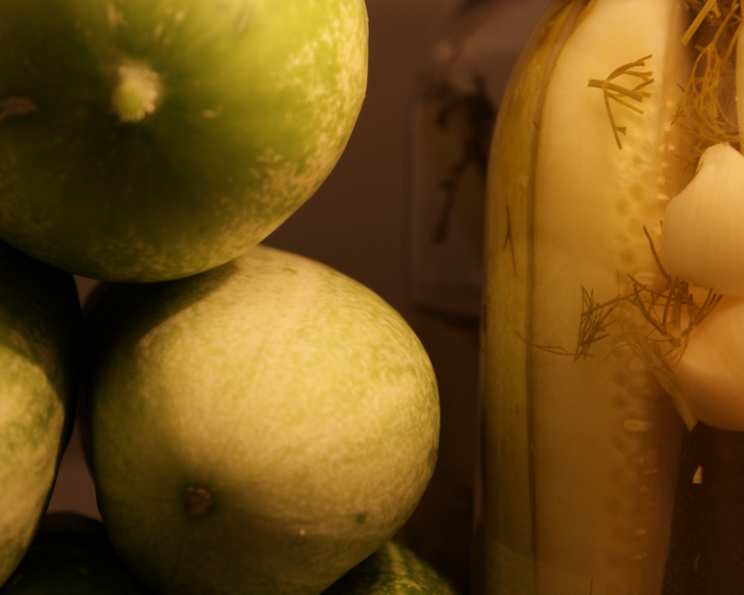
The Brine Beyond Bland: Mastering Homemade Dill Pickles
The sharp, tangy crunch of a perfectly executed dill pickle transports me back to childhood summers spent at my grandmother’s farm. I can almost smell the sun-baked earth and the pungent aroma of dill wafting from her garden. Every year, she’d meticulously transform her bumper crop of cucumbers into jars of these briny treasures, each bite a reminder of her love and the simple joys of farm-fresh goodness. To this day, no store-bought pickle can ever quite compare to the explosion of flavor in those homemade wonders.
Recipe Overview
- Prep Time: 10 minutes
- Total Time: 7 days 10 minutes
- Yields: Approximately 20 pickles
- Serves: 20
- Dietary Type: Vegan, Gluten-Free, Dairy-Free
Ingredients
- 2 lbs small cucumbers
- 4 cloves garlic
- 1 tablespoon salt
- 1 tablespoon sugar
- 1 bay leaf
- 1 bunch fresh dill
- 1/4 cup white vinegar
Equipment Needed
- 1-liter jar (or multiple smaller jars)
- Large pot for boiling water
- Tongs or jar lifter (optional but recommended)
Instructions
- Begin by sterilizing your 1-liter jar (or jars). This is crucial for preventing spoilage. The easiest way to sterilize is to run the jar and lid through a hot cycle in your dishwasher. Alternatively, you can boil the jar and lid in a large pot of water for 10 minutes. Make sure the jar is completely submerged. Allow to air dry on a clean surface; do not towel dry.
- Thoroughly wash the 2 pounds of small cucumbers. Trim off the blossom end (the end opposite the stem) as this contains enzymes that can cause softening.
- Carefully place the washed cucumbers into the sterilized jar. Pack them in tightly, but don’t crush them. The more cucumbers you can fit, the better the pickle yield.
- Add the flavor enhancers: 4 cloves of garlic, 1 bay leaf, 1 tablespoon salt, and 1 tablespoon sugar directly into the jar with the cucumbers. The garlic cloves can be peeled and lightly crushed to release their flavor.
- Pour in the 1/4 cup white vinegar. This will contribute to the pickles’ characteristic tang and help to preserve them.
- Bring a pot of water to a rolling boil. Carefully fill the jar to the brim with the boiling water, leaving about 1/2 inch of headspace at the top. This helps to create a proper seal.
- Add the 1 bunch of fresh dill to the top of the liquid, ensuring it’s submerged. The dill will infuse the brine and impart its distinctive flavor. If using large sprigs, you may need to cut them down to fit.
- Seal the jar tightly with the sterilized lid.
- Stand the sealed jar in a place exposed to light for 7 days. This allows the fermentation process to begin. Avoid direct sunlight, as excessive heat can negatively impact the pickling process. The ideal temperature for fermentation is between 65-75°F (18-24°C).
- After 7 days, refrigerate the pickles after opening. The refrigeration process slows down the fermentation and helps to maintain the pickles’ crispness and flavor.
Expert Tips & Tricks
- Crisp Pickles: For extra crispy pickles, add a grape leaf, horseradish leaf, or black tea bag to the jar. These contain tannins that help prevent the cucumbers from softening.
- Spice It Up: For a spicier pickle, add a pinch of red pepper flakes or a sliced jalapeño pepper to the jar.
- Garlic Lovers: Feel free to add more garlic if you prefer a stronger garlic flavor.
- Brine Clarity: If you notice the brine becoming cloudy during fermentation, it’s a normal part of the process. However, if the brine becomes excessively cloudy or develops an unusual odor, it’s best to discard the pickles to avoid potential spoilage.
- Even Fermentation: Rotate the jar gently every day to ensure even fermentation.
- Salt Selection: Use pickling salt or kosher salt for the best results. Table salt contains iodine and anti-caking agents that can discolor the pickles and affect the flavor.
- Vinegar Variation: While white vinegar is traditional, you can experiment with other vinegars like apple cider vinegar for a slightly different flavor profile.
Serving & Storage Suggestions
These dill pickles are a fantastic addition to sandwiches, burgers, and charcuterie boards. They’re also delicious as a standalone snack straight from the jar!
Once opened, store the pickles in the refrigerator, submerged in the brine. Properly stored, they will last for several weeks. Unopened jars can be stored in a cool, dark place (like a pantry) for up to a year. However, the flavor and texture may degrade over time.
Nutritional Information
| Nutrient | Amount per Serving | % Daily Value |
|---|---|---|
| Calories | 11 kcal | 1% |
| Total Fat | 0.1g | 0% |
| Saturated Fat | 0g | 0% |
| Cholesterol | 0mg | 0% |
| Sodium | 350mg | 15% |
| Total Carbohydrate | 2.5g | 1% |
| Dietary Fiber | 0.2g | 1% |
| Sugars | 1.4g | 3% |
| Protein | 0.3g | 1% |
Note: Nutritional information is an estimate and may vary based on ingredient amounts and preparation methods.
Variations & Substitutions
- Sweet Pickles: Increase the sugar to 1/4 cup for a sweeter pickle.
- Spicy Pickles: Add a sliced jalapeño or a pinch of red pepper flakes.
- Bread and Butter Pickles: Add turmeric and celery seed for a classic bread and butter pickle flavor.
- Different Herbs: Experiment with other herbs like mustard seeds, coriander seeds, or even a sprig of rosemary for a unique flavor.
- No Dill?: While dill is quintessential for dill pickles, you can substitute it with other herbs like fresh tarragon or celery leaves in a pinch, though the flavor will be noticeably different.
FAQs (Frequently Asked Questions)
Q: Why do I need to sterilize the jar?
A: Sterilizing the jar eliminates bacteria and microorganisms that can cause spoilage, ensuring your pickles are safe to eat.
Q: Can I use larger cucumbers for this recipe?
A: Yes, but you’ll need to cut them into spears or slices. Smaller cucumbers are preferred because they pickle more evenly.
Q: How long do I need to refrigerate the pickles after opening?
A: Refrigerating immediately after opening is best. This significantly slows down the fermentation process and keeps the pickles crisp and delicious.
Q: My pickles are soft. What went wrong?
A: Several factors can lead to soft pickles, including using cucumbers that are not fresh, not trimming the blossom end, or not adding enough salt or vinegar. Adding a grape leaf or horseradish leaf can also help.
Q: Can I reuse the brine from a previous batch of pickles?
A: It’s not recommended to reuse brine. Used brine may contain undesirable bacteria and won’t have the same preservative properties.
Final Thoughts
So, grab some fresh cucumbers and get ready to embark on your pickling adventure! This simple recipe is a gateway to a world of tangy, crunchy goodness. Don’t be afraid to experiment with different flavors and spices to create your own signature pickle. And most importantly, share your homemade pickles with friends and family – they’re sure to be a hit! Perhaps you could pair them with a hearty Reuben sandwich, a crisp summer salad, or even alongside a grilled cheese for a truly satisfying experience. Happy pickling!