
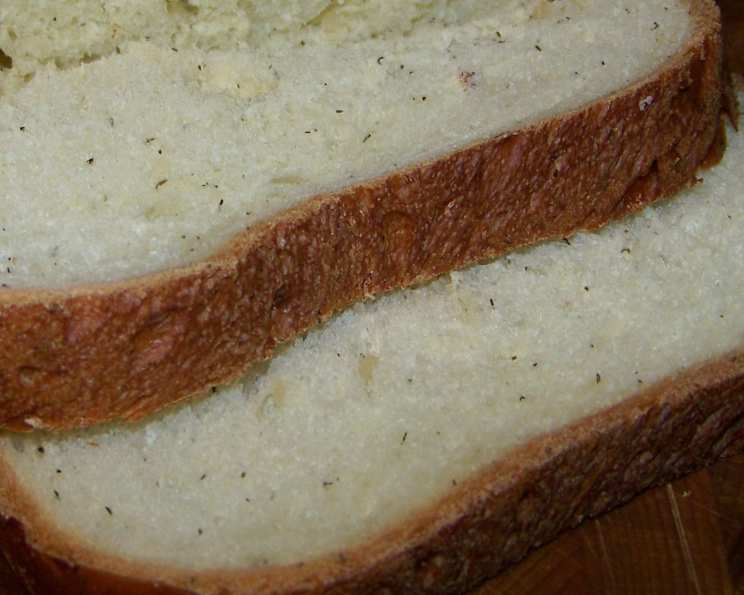
Dilly Bread: A Bread Machine Delight
There’s something so comforting about the smell of bread baking, a scent that instantly transports me back to my grandmother’s kitchen. I can almost see her now, flour dusting her apron as she kneads dough with practiced hands. While she never used a bread machine (it was all elbow grease and a warm oven back then!), I think she would have appreciated the ease and consistency this Dilly Bread recipe offers. That tangy, savory aroma – the dill, the subtle sweetness, and that hint of onion – it’s all there, capturing the essence of a classic in a modern, convenient way.
Recipe Overview
- Prep Time: 10 minutes
- Cook Time: 3 hours
- Total Time: 3 hours 10 minutes
- Servings: 16
- Yield: 1 large loaf or 1 medium loaf
- Dietary Type: Not specified (contains dairy and eggs)
Ingredients
Here’s what you’ll need for this wonderfully flavorful bread:
For a Large Loaf:
- 1 1/8 cups cottage cheese
- 2 eggs
- 3 tablespoons sugar
- 1 teaspoon salt
- 2 tablespoons minced dried onion
- 1/2 teaspoon baking soda
- 1 tablespoon dill weed
- 3 1/2 cups bread flour
- 2 1/2 teaspoons regular dry yeast
- 2-3 tablespoons water (IF NEEDED when kneading begins)
For a Medium Loaf:
- 1 cup cottage cheese
- 2 eggs
- 2 tablespoons sugar
- 1 teaspoon salt
- 1 1/4 tablespoons minced dried onion
- 1/2 teaspoon baking soda
- 2 teaspoons dill weed
- 3 cups bread flour
- 1 3/4 teaspoons regular dry yeast
- 1-2 tablespoons water (IF NEEDED when kneading begins)
Equipment Needed
- Bread Machine
- Measuring cups and spoons
Instructions
-
Add the ingredients to your bread machine pan in the order recommended by your bread machine manufacturer. This is crucial for proper mixing and yeast activation. Typically, liquids go in first, followed by dry ingredients, with yeast added last, often in a well on top of the flour.
-
Start the bread machine on the white bread or sweet bread cycle. The choice depends on your bread machine’s settings and your preference for a slightly sweeter or more savory crust.
-
Monitor the dough during the initial kneading phase. If the dough appears too dry and is not forming a smooth, elastic ball, gradually add water, one tablespoon at a time, until the dough reaches the desired consistency. Aim for a slightly tacky, but not sticky, texture.
-
Select the light to medium crust setting. A lighter crust will yield a softer loaf, while a medium crust will provide a bit more chewiness and color.
-
Allow the bread machine to complete its cycle, which typically includes kneading, rising, and baking.
-
Once the cycle is complete, carefully remove the bread from the bread machine pan. Use oven mitts as the pan will be very hot.
-
Place the loaf on a wire rack to cool completely before slicing and serving. This allows excess moisture to escape, preventing a gummy texture.
Expert Tips & Tricks
- Cottage Cheese Consistency: Ensure your cottage cheese isn’t overly watery. If it is, drain it slightly using a fine-mesh sieve before adding it to the bread machine.
- Yeast Activation: For best results, use fresh yeast. If you’re unsure about its freshness, proof it by dissolving it in a little warm water with a pinch of sugar before adding it to the bread machine. If it foams, it’s good to go.
- Flavor Boost: For a more intense dill flavor, consider adding a teaspoon of dried dill seed in addition to the dill weed.
- Crust Control: To prevent the crust from becoming too dark, especially on a medium crust setting, you can tent the loaf with foil during the last 15-20 minutes of baking.
- Adding Cheese: For an extra cheesy dilly bread, add 1/2 cup of shredded cheddar or Monterey Jack cheese during the last kneading cycle. The cheese will be nicely incorporated into the dough and melt beautifully during baking.
Serving & Storage Suggestions
This Dilly Bread is fantastic served warm, sliced, and with a generous smear of butter. It’s also delicious toasted, topped with cream cheese, or used to make sandwiches. It pairs particularly well with soups, salads, and egg dishes.
To store, wrap the cooled loaf tightly in plastic wrap or place it in an airtight container. It will keep at room temperature for 2-3 days, in the refrigerator for up to a week, or in the freezer for up to 2 months.
To reheat, wrap slices in foil and warm in a preheated oven at 350°F (175°C) for 5-10 minutes, or toast them in a toaster. To reheat the entire loaf, wrap it in foil and bake at 325°F (160°C) for 15-20 minutes.
Nutritional Information
Note: Nutritional information is an estimate and may vary based on specific ingredients and loaf size.
| Nutrient | Amount per Serving | % Daily Value |
|---|---|---|
| Calories | 254 kcal | – |
| Calories from Fat | 27 g | – |
| Total Fat | 3 g | 4% |
| Saturated Fat | 1.3 g | 6% |
| Cholesterol | 57.1 mg | 19% |
| Sodium | 501.6 mg | 20% |
| Total Carbohydrate | 44.8 g | 14% |
| Dietary Fiber | 1.7 g | 6% |
| Sugars | 4.6 g | – |
| Protein | 10.8 g | – |
Variations & Substitutions
- Dairy-Free: While the recipe relies heavily on cottage cheese, you could experiment with a thick, plain, unsweetened plant-based yogurt alternative. Be mindful of the water content and adjust accordingly. The flavor will, of course, be altered.
- Gluten-Free: Use a gluten-free bread flour blend specifically designed for bread machines. You might need to adjust the liquid content slightly, as gluten-free flours tend to absorb more moisture. Consider adding a binder like xanthan gum for improved texture.
- Herb Variations: Substitute other herbs for dill weed. Chives, parsley, or a blend of Italian herbs would all be delicious.
- Cheese Variations: Add different types of cheese, like sharp cheddar, Swiss, or even a little bit of crumbled feta.
- Garlic Dilly Bread: Add 1-2 cloves of minced garlic to the dough for a garlicky kick.
FAQs (Frequently Asked Questions)
Q: Can I use active dry yeast instead of regular dry yeast?
A: Yes, but you’ll need to activate the active dry yeast in warm water with a pinch of sugar for about 5-10 minutes before adding it to the bread machine. Look for a foamy layer on top to ensure it’s active.
Q: My bread is sinking in the middle. What did I do wrong?
A: This can happen if there’s too much liquid in the dough, or if the yeast has over-risen. Try reducing the amount of water slightly, and make sure your yeast isn’t expired.
Q: Can I make this bread without a bread machine?
A: Yes, you can! Knead the dough by hand or with a stand mixer, let it rise in a warm place, shape it into a loaf, and bake it in a preheated oven at 350°F (175°C) for about 30-40 minutes, or until golden brown.
Q: My crust is too hard. How can I soften it?
A: Brush the top of the loaf with melted butter or olive oil immediately after removing it from the bread machine. You can also store the loaf in a plastic bag to help retain moisture.
Q: Can I add seeds to this bread?
A: Absolutely! Sesame seeds, poppy seeds, or sunflower seeds would all be delicious additions. Add them during the last kneading cycle for even distribution.
Final Thoughts
This Dilly Bread recipe is more than just a simple loaf; it’s a taste of home, a comforting classic made easy with the help of a bread machine. The tangy cottage cheese, fragrant dill, and subtle sweetness combine to create a bread that’s both satisfying and versatile. So, dust off your bread machine, gather your ingredients, and get ready to fill your kitchen with the irresistible aroma of freshly baked Dilly Bread. I encourage you to experiment with the variations, make it your own, and share the warmth with family and friends. After all, the best part of baking is sharing the love, one delicious slice at a time.