
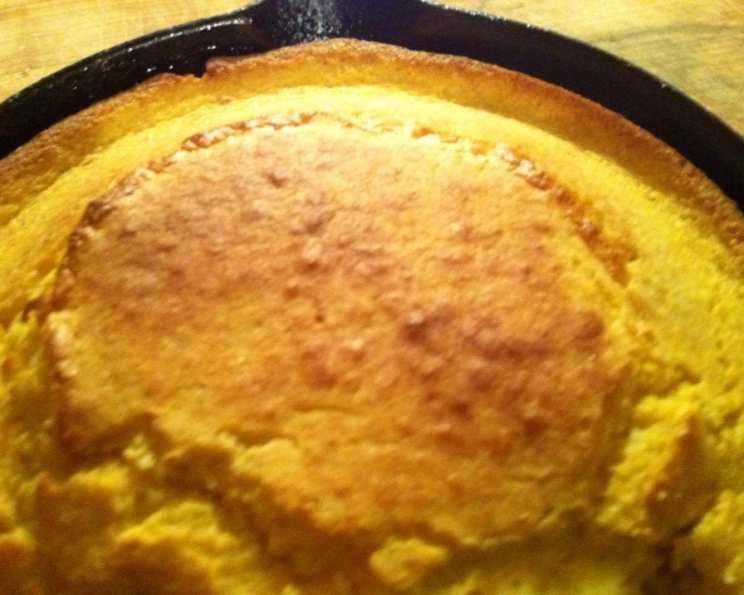
Dixie Cornbread: A Taste of Southern Comfort
The first time I had real, honest-to-goodness cornbread, it wasn’t in a fancy restaurant. It was at my grandmother’s kitchen table, a worn wooden surface that had seen countless meals. Grandma Bessie, a woman whose hugs could cure anything, pulled a steaming, golden-brown skillet from her ancient oven. The aroma of sweet corn and rendered bacon fat filled the air, a scent so deeply ingrained in my memory that even now, decades later, it transports me straight back to that cozy, love-filled space. Each bite was a revelation – a tender, slightly crumbly texture with just the right amount of sweetness and a hint of savory goodness. It was more than just cornbread; it was a taste of home.
Recipe Overview
- Prep Time: 10 minutes
- Cook Time: 22-25 minutes
- Total Time: 32-35 minutes
- Servings: 6-8
- Yield: 1 cast iron skillet
- Dietary Type: Vegetarian (can be adapted)
Ingredients
- 2 tablespoons vegetable shortening or fat drippings
- 1 1⁄2 cups Quaker or Aunt Jemima white cornmeal
- 3 tablespoons all-purpose flour
- 1 teaspoon salt
- 1 teaspoon baking soda
- 2 cups buttermilk
- 1 large egg
Equipment Needed
- 9-inch skillet with ovenproof handle or 8-inch square baking pan
- Large mixing bowl
- Measuring cups and spoons
Instructions
- Preheat your oven to 450°F (232°C). This high temperature is key to getting that beautiful, crispy crust.
- Place the vegetable shortening or fat drippings in your 9-inch skillet with an ovenproof handle or 8-inch square baking pan.
- Place the skillet with the fat in the preheated oven for about 3 minutes. This will melt the fat and get the skillet screaming hot. Be careful; the skillet will be very hot when you remove it from the oven. This step is critical for achieving that signature crispy bottom crust that is synonymous with real Southern cornbread.
- While the skillet is heating in the oven, prepare the batter. In a large bowl, combine the cornmeal, flour, salt, and baking soda. Whisk these dry ingredients together to ensure even distribution.
- Add the buttermilk and egg to the dry ingredients, mixing well until just combined. Be careful not to overmix, as this can develop the gluten in the flour and result in a tougher cornbread. A few lumps are perfectly fine.
- Carefully remove the hot skillet from the oven. The melted fat should be shimmering.
- Pour the batter into the hot, prepared skillet. The batter should sizzle as it hits the hot fat.
- Bake for 22 to 25 minutes, or until the surface cracks and the edges are light golden brown and pull away from the side of the pan. A toothpick inserted into the center should come out clean, although a few moist crumbs are acceptable.
Expert Tips & Tricks
- The Hot Skillet is Key: Don’t skip preheating the skillet with the fat. This is what creates that crispy, golden-brown crust that distinguishes authentic Southern cornbread.
- Buttermilk Substitute: If you don’t have buttermilk on hand, you can easily make a substitute. Add 2 tablespoons of vinegar or lemon juice to a 2-cup measuring cup. Then, add enough milk to equal 2 cups. Let it sit for a few minutes to curdle slightly before using.
- Fat Choices: While vegetable shortening is a common choice, consider using rendered bacon fat or lard for an extra layer of savory flavor.
- Cornmeal Matters: For the best texture, use a stone-ground cornmeal. The coarser grind will give your cornbread a delightful rustic quality.
- Sweetness Level: This recipe is for a more traditional, less sweet cornbread. If you prefer a sweeter cornbread, add 1-2 tablespoons of sugar to the dry ingredients.
- Don’t Overmix: Overmixing the batter will develop the gluten in the flour, leading to a tough cornbread. Mix just until the ingredients are combined. A few lumps are perfectly fine.
- Oven Variations: Baking times may vary depending on your oven. Keep an eye on the cornbread and adjust the baking time as needed.
- Spice it Up: For a little kick, add a pinch of cayenne pepper to the dry ingredients.
Serving & Storage Suggestions
Serve your Dixie cornbread hot, straight from the skillet, with a generous pat of butter. It’s a perfect accompaniment to chili, stews, collard greens, or any Southern-inspired meal. Leftovers can be stored at room temperature for up to 2 days, or in the refrigerator for up to 5 days. To reheat, wrap the cornbread in foil and warm it in a 350°F (175°C) oven for about 10-15 minutes, or until heated through. You can also reheat individual slices in the microwave, but be careful not to overcook them, as they can become dry. For longer storage, freeze the cornbread in an airtight container for up to 2 months. Thaw overnight in the refrigerator before reheating.
Nutritional Information
| Nutrient | Amount per Serving | % Daily Value |
|---|---|---|
| Calories | 206.4 kcal | N/A |
| Calories from Fat | 62 g | 30% |
| Total Fat | 6.9 g | 10% |
| Saturated Fat | 2.1 g | 10% |
| Cholesterol | 34.3 mg | 11% |
| Sodium | 705.7 mg | 29% |
| Total Carbohydrate | 30.3 g | 10% |
| Dietary Fiber | 2.3 g | 9% |
| Sugars | 4.2 g | 16% |
| Protein | 6.6 g | 13% |
Nutritional information is an estimate and may vary based on specific ingredients and cooking methods.
Variations & Substitutions
- Spicy Cornbread: Add 1/2 cup of diced jalapenos and 1/4 cup of chopped cilantro to the batter for a spicy kick.
- Cheesy Cornbread: Stir in 1 cup of shredded cheddar cheese into the batter before baking.
- Sweet Cornbread: Add 2-3 tablespoons of sugar or honey to the batter.
- Herb Cornbread: Incorporate 2 tablespoons of chopped fresh herbs like rosemary, thyme, or sage into the batter.
- Vegan Cornbread: Substitute the buttermilk with a mixture of 2 cups of unsweetened almond milk plus 2 tablespoons of apple cider vinegar. Replace the egg with a flax egg (1 tablespoon ground flaxseed mixed with 3 tablespoons water, let sit for 5 minutes).
- Gluten-Free Cornbread: Ensure your cornmeal is certified gluten-free.
FAQs (Frequently Asked Questions)
Q: Why is my cornbread dry?
A: Overbaking is the most common cause of dry cornbread. Be sure to check for doneness around the 22-minute mark. Also, overmixing the batter can contribute to dryness.
Q: Can I use yellow cornmeal instead of white cornmeal?
A: Yes, you can use yellow cornmeal. It will give the cornbread a slightly different flavor and color, but it will still be delicious.
Q: Can I make this cornbread in a muffin tin?
A: Absolutely! Reduce the baking time to about 15-20 minutes, or until a toothpick inserted into the center comes out clean.
Q: How do I prevent the cornbread from sticking to the skillet?
A: Preheating the skillet with the fat is essential for preventing sticking. Make sure the skillet is very hot before pouring in the batter.
Q: What’s the best way to reheat cornbread without drying it out?
A: Wrap the cornbread in foil and warm it in a low oven (350°F/175°C) for about 10-15 minutes. This will help retain moisture. You can also add a small pat of butter on top before reheating.
Final Thoughts
Dixie cornbread is more than just a side dish; it’s a taste of tradition, a slice of comfort, and a reminder of simpler times. It’s a celebration of humble ingredients transformed into something truly special. Whether you’re a seasoned Southern cook or a curious newcomer, I encourage you to try this recipe. Gather your ingredients, preheat your oven, and get ready to experience the magic of real, honest-to-goodness cornbread. And don’t forget to share it with the people you love – because some things are just better when shared.