
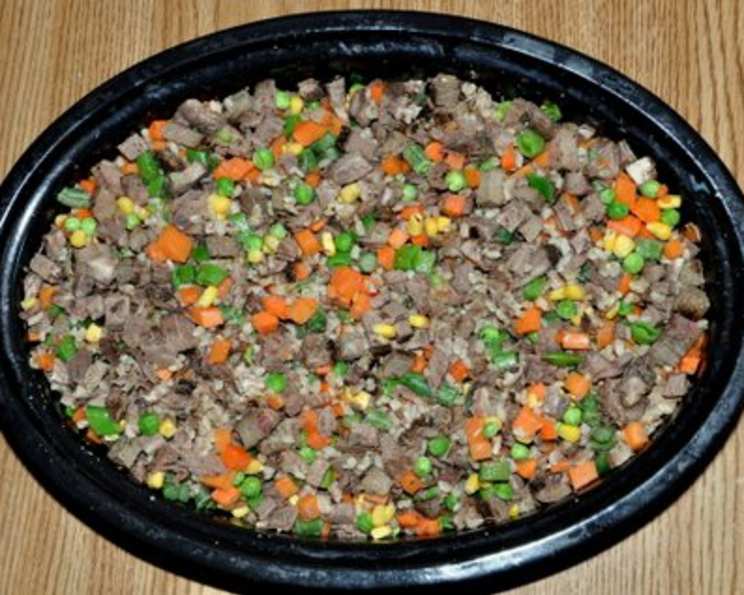
Homemade Beef Dog Food: A Recipe Crafted with Love
The memory is still so vivid: my old Labrador, Buster, refusing his kibble, his eyes pleading for something more. Commercial dog food always felt so… distant, so processed. I began experimenting in the kitchen, driven by the desire to provide him with real, wholesome food. The transformation was remarkable – Buster’s coat gleamed, his energy soared, and he devoured every meal with gusto. This recipe for Beef Dog Food is a continuation of that journey, a way to ensure our furry companions get the nutrition they deserve, made with ingredients we can trust.
Recipe Overview
- Prep Time: 30 minutes
- Cook Time: 2 hours
- Total Time: 2 hours 30 minutes
- Servings: 42
- Yield: Varies depending on container size
- Dietary Type: Grain-inclusive, Homemade
Ingredients
- 5 lbs beef roast
- 1 lb beef liver
- 1 cup brown rice
- 5 cups mixed vegetables (See note below for vegetable options)
Note: The mixed vegetables can be adapted to suit your dog’s needs and preferences. Excellent options include fresh or frozen sweet potato, wax beans, peas, pumpkin, spinach, carrots, squash, and zucchini. Always avoid ingredients toxic to dogs, such as onions and garlic.
Equipment Needed
- Large roasting pan
- Large skillet or frying pan
- Large pot
- Colander or strainer
- Cutting board
- Sharp knife
- Meat thermometer
- Freezer-safe containers
Instructions
- Preheat your oven to a moderate temperature. The key to a tender and nutritious dog food starts with a perfectly cooked beef roast. I recommend around 325°F (160°C).
- Place the beef roast in a large roasting pan. Roast until medium-rare, aiming for an internal temperature of about 170°F (77°C) on a meat thermometer. This will ensure the beef is cooked enough for digestibility but retains moisture and nutrients. This may take approximately 1.5 – 2 hours, depending on the size of the roast.
- Once the roast is cooked, remove it from the oven and let it cool slightly. Then, dice the beef into smaller than bite-sized pieces. The size will vary depending on the size of your dog, so adjust accordingly to prevent choking hazards.
- While the beef is roasting, turn your attention to the beef liver. In a large skillet or frying pan, pan-fry the liver until medium-rare. You should see just a hint of pink when you cut through the center. Avoid overcooking, as this will make the liver tough and less palatable.
- Dice the mixed vegetables into approximately 1/2 inch (1 cm) cubes. This size is easy for most dogs to manage.
- Bring a pot of water to a boil. Blanch the diced vegetables for one minute. This helps to soften them slightly and make them easier to digest, while also preserving their nutrients. Immediately drain the vegetables in a colander.
- In a large pot, bring a generous amount of water to a boil. Add the brown rice and cook according to package directions. Generally, conventional brown rice requires about 25 minutes, while organic brown rice might take up to 50 minutes. I prefer to cook the rice like pasta, using plenty of water and then straining it in a colander to keep it fluffy and prevent sticking.
- Once the beef, liver, vegetables, and rice are all cooked and prepared, it’s time to mix everything together in a large bowl. Ensure the ingredients are evenly distributed.
- Portion the mixture into individual, freezer-safe containers. This makes it easy to thaw and serve the dog food as needed.
- Freeze the containers for long-term storage.
Expert Tips & Tricks
- Roast Temperature Precision: While 325°F (160°C) is a good starting point, knowing your oven is key. If your oven tends to run hot, lower the temperature slightly to prevent the roast from drying out.
- Liver Preparation: Some dogs are sensitive to the strong taste of liver. Soaking the liver in milk for about 30 minutes before cooking can help to mellow the flavor.
- Vegetable Variety: Don’t be afraid to experiment with different vegetable combinations based on what’s in season and on sale. Just remember to always check that the vegetables are safe for dogs to consume.
- Brown Rice Alternatives: If your dog has trouble digesting brown rice, try using quinoa or oatmeal instead. These are both excellent sources of fiber and nutrients.
- Supplements: Consult with your veterinarian about adding supplements like fish oil or a multivitamin to ensure your dog is getting a complete and balanced diet.
Serving & Storage Suggestions
Serve the homemade Beef Dog Food at room temperature or slightly warmed. Always ensure it’s not too hot before serving it to your dog.
For storage, the dog food can be kept in the refrigerator for up to 3-4 days. For longer storage, freezing is recommended. Frozen dog food can last for up to 2-3 months. Thaw the food in the refrigerator overnight before serving. Do not leave the food at room temperature for extended periods to prevent bacterial growth.
Nutritional Information
Please note that this is an estimate and will vary based on specific ingredient brands and vegetable ratios.
| Nutrient | Amount per Serving (estimated) |
|---|---|
| Calories | 150-200 kcal |
| Protein | 15-20 g |
| Fat | 5-10 g |
| Carbohydrates | 10-15 g |
| Fiber | 1-3 g |
Variations & Substitutions
- Protein Swap: If your dog has sensitivities to beef, you can substitute it with ground turkey, chicken, or lamb. Adjust cooking times accordingly.
- Grain-Free Option: Replace the brown rice with cooked sweet potato or pumpkin for a grain-free alternative.
- Add Herbs: Incorporate dog-safe herbs like parsley or rosemary for added flavor and potential health benefits.
- Bone Broth Boost: Mix in a spoonful of bone broth for extra nutrients and hydration.
FAQs (Frequently Asked Questions)
Q: Can I use canned vegetables instead of fresh or frozen?
A: While fresh or frozen vegetables are preferred due to their higher nutrient content, canned vegetables can be used in a pinch. Be sure to choose varieties without added salt or sugar and rinse them thoroughly before using.
Q: How do I know if my dog is allergic to an ingredient?
A: Introduce new ingredients one at a time and watch for any signs of allergies, such as skin irritation, digestive upset, or excessive scratching. If you suspect an allergy, consult with your veterinarian.
Q: Can I add bones to this recipe?
A: Cooked bones can be dangerous for dogs as they can splinter and cause internal damage. It’s best to avoid adding bones to homemade dog food.
Q: How much of this food should I feed my dog?
A: The amount of food your dog needs will depend on their size, age, activity level, and overall health. Consult with your veterinarian to determine the appropriate portion size for your dog.
Q: Can I make this recipe in a slow cooker?
A: Yes, you can adapt this recipe for a slow cooker. Brown the beef and liver before adding them to the slow cooker with the vegetables and rice. Cook on low for 6-8 hours or on high for 3-4 hours, or until the meat is tender and the rice is cooked.
Final Thoughts
Creating homemade dog food is an act of love and a commitment to your pet’s well-being. This Beef Dog Food recipe is a simple yet effective way to provide your furry friend with a nutritious and delicious meal. Don’t hesitate to experiment with different ingredients and variations to find what your dog loves best. Remember to consult with your veterinarian for personalized dietary recommendations. Happy cooking, and even happier tails!