
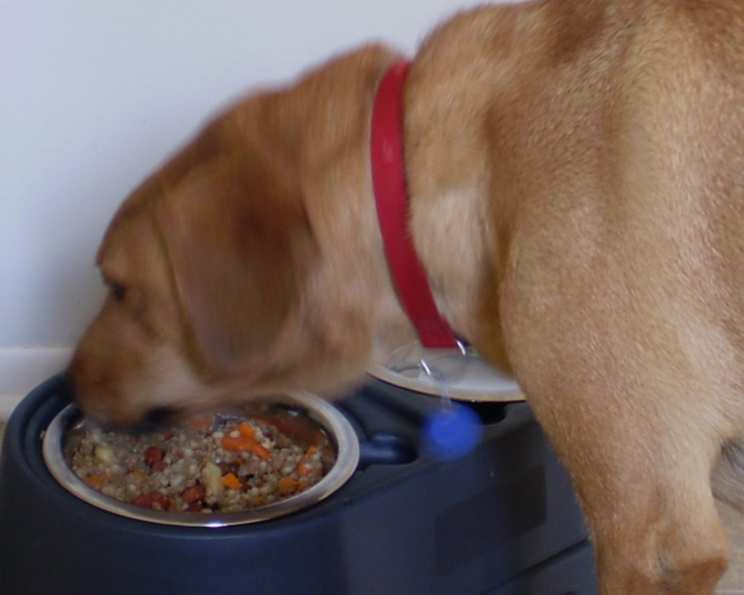
Homemade Dog Food for Every Pup’s Needs
I’ll never forget the day my scruffy terrier, Max, turned his nose up at yet another bowl of commercially-produced kibble. He gave me that look, the one that said, “Seriously? This again?” It was then I knew I had to take matters into my own hands. Years of culinary training told me I could do better, and Max deserved better. The transformation after switching to homemade food was astounding – shinier coat, boundless energy, and a happy, wagging tail that said, “Thank you!” Now, I want to share my approach to cooking for dogs with you, so you can see those same results.
Recipe Overview
- Prep Time: 45 minutes
- Cook Time: 1 hour 35 minutes
- Total Time: 2 hours 20 minutes
- Servings: 14
- Yield: Approximately 30 kilos (66 pounds)
- Dietary Type: Suitable for Normal, Fussy, Overweight, Underweight, and Diabetic Dogs (adjustments may be necessary)
Ingredients
- 2 lbs carrots
- 2 lbs potatoes
- 1/2 bunch celery (can substitute zucchini when it’s plentiful)
- 2-3 lbs beef (cheap cuts of hamburger, mince, chuck or the like)
- 1/4 dripping (optional)
- 3-4 chicken stock cubes (optional)
- 3-4 quarts water (12-16 cups)
- 1 lb pearl barley, dried
Equipment Needed
- Very large stock pot
- Chopping board
- Knife
Instructions
- If you are making the recipe as shown, before you start to prepare it, make sure you have a pot large enough to hold all the ingredients. A very large stock pot is great and essential.
- Chop or slice the carrots, potatoes, celery and meat (other than minced meat) to a size that suits your dog. Consider your dog’s age and dental health when determining the size of the pieces. Smaller pieces are easier for older dogs or those with dental issues.
- Add the above ingredients to the pot.
- Add the drippings, or soy sauce and stock cubes to the pot. If you don’t make roasts, see if your neighbors will save their drippings. This recipe can be made without the drippings or soy sauce/stock cubes, but I think the doggies deserve this luxury. You can freeze drippings. For diabetic dogs, it’s best to skip the drippings and stock cubes as they can be high in fat and sodium.
- Add the water to the pot. You may need to reduce the amount of water. It will depend on the moisture content in the vegetables and meat. These days, I use about 12-14 cups of water. Start with 12 cups and add more if the mixture looks too dry during cooking.
- Put the pot on the stove top, over a high heat.
- Let it cook for about one hour. Aim for a gentle simmer, not a rapid boil, to prevent the bottom from scorching.
- Then — assuming the mixture has come to a boil — add the barley. Don’t add the barley until the boil happens (it doesn’t have to be a big rolling boil). Adding the barley too early can cause it to become mushy.
- After adding the barley, cook for another 30-35 minutes (depending on what the barley package suggests). Check the barley for doneness – it should be tender but not completely falling apart.
- This recipe really holds its heat, so let it cool for at least four hours before serving. Better still, make the recipe in the morning (weekends are good), then dish up the servings for the evening meal and let them cool all day. This is crucial to prevent burns.
- Store in the refrigerator after completely cooled. Freezes well. Portion the food into individual servings before freezing for easy defrosting.
Expert Tips & Tricks
- Meat Matters: While inexpensive cuts of beef are perfectly fine, don’t be afraid to experiment. Ground turkey or chicken can be excellent lean protein sources, especially for dogs needing weight management.
- Veggie Variety: Feel free to incorporate other dog-safe vegetables like green beans, peas, or spinach for added nutrients. Just be sure to introduce new vegetables gradually to avoid digestive upset.
- Barley Basics: Pearl barley is a good source of fiber, but if your dog has grain sensitivities, you can substitute it with brown rice or quinoa.
- Flavor Boost: For fussy eaters, try adding a small amount of low-sodium broth or a dollop of plain yogurt (if tolerated) to individual servings.
- Temperature Control: Always ensure the food is cooled completely before serving to prevent burns.
Serving & Storage Suggestions
This recipe, when made as shown, is enough to feed about 30 kilos (or 66 pounds) of dog for a week. I serve this recipe once a day (in the evening) and add one large handful of hard food per 10 kilos (22 pounds) of dog. The morning feed is one handful of hard food per 10 kilos of dog. Adjust portion sizes based on your dog’s age, activity level, and individual needs.
Once cooled, store the dog food in airtight containers in the refrigerator for up to 5 days. For longer storage, freeze in individual portions for up to 3 months. Thaw in the refrigerator overnight before serving. Do not leave the food at room temperature for more than 2 hours.
Nutritional Information
Please note that this is an estimate, and the actual nutritional content may vary based on the specific ingredients used.
| Nutrient | Amount per Serving (approx.) | % Daily Value (estimate) |
|---|---|---|
| Calories | 450 kcal | N/A |
| Protein | 20g | N/A |
| Total Fat | 25g | N/A |
| Carbohydrates | 40g | N/A |
| Fiber | 10g | N/A |
| Vitamin A | Varies | N/A |
| Vitamin C | Varies | N/A |
Consult with your veterinarian for specific dietary recommendations for your dog.
Variations & Substitutions
- Grain-Free: Substitute the pearl barley with an equivalent amount of cooked sweet potato or pumpkin.
- Protein Power-Up: Add a can of sardines (in water, no salt added) for an extra boost of omega-3 fatty acids.
- Vegetarian (with Vet Approval): Replace the beef with lentils or chickpeas, ensuring a complete amino acid profile is achieved through other ingredients. Consult your vet to ensure appropriate nutrient levels are maintained.
- Diabetic-Friendly: Reduce the potato content and increase the amount of non-starchy vegetables like green beans or broccoli. Monitor blood glucose levels closely.
FAQs (Frequently Asked Questions)
Q: Can I use different types of meat in this recipe?
A: Absolutely! Chicken, turkey, lamb, or even fish can be substituted for the beef. Just be sure to adjust cooking times as needed.
Q: My dog is allergic to beef. What can I use instead?
A: Try using chicken, turkey, lamb, or even a novel protein source like rabbit or venison. Always introduce new proteins gradually.
Q: How do I adjust the recipe for a puppy?
A: Puppies have different nutritional needs than adult dogs. Consult your veterinarian or a veterinary nutritionist for specific recommendations. You may need to increase the protein content and frequency of feedings.
Q: Can I add supplements to this homemade dog food?
A: Yes, but it’s best to consult with your veterinarian first. They can help you determine if your dog needs any specific supplements and recommend appropriate dosages.
Q: How do I transition my dog to this homemade diet?
A: Introduce the new food gradually over 7-10 days. Start by mixing a small amount of the homemade food with your dog’s current food and gradually increase the amount of homemade food while decreasing the amount of commercial food.
Final Thoughts
Making your own dog food can be a rewarding experience, allowing you to tailor meals to your furry friend’s specific needs and preferences. Don’t be afraid to experiment with different ingredients and variations, but always prioritize your dog’s health and safety. Remember to consult with your veterinarian before making any significant changes to your dog’s diet. Most importantly, enjoy the process and cherish the bond you share with your beloved companion. Happy cooking!