
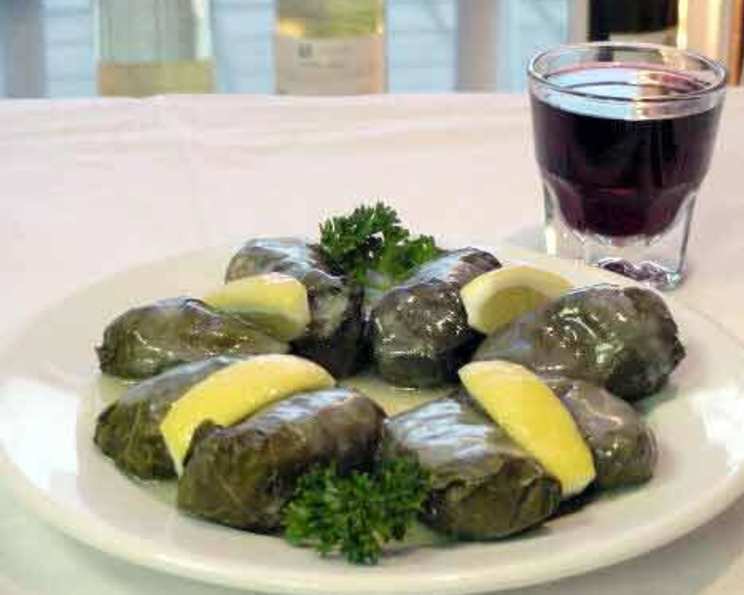
Dolmades: A Taste of Sunshine in Every Bite
The memory is so clear: sun-drenched afternoons in my grandmother’s kitchen, the air thick with the briny scent of grape leaves and the savory aroma of simmering herbs and lamb. We’d sit for hours, carefully rolling these tiny packages of flavor, her weathered hands guiding mine. Each dolma was a small act of love, a connection to generations past and a celebration of simple, honest ingredients. Those afternoons weren’t just about cooking; they were about family, tradition, and the pure joy of creating something delicious together. And to this day, the taste of a perfectly made dolma instantly transports me back to that sunlit kitchen, filled with warmth and laughter.
Recipe Overview
- Prep Time: 45 minutes
- Cook Time: 1 hour
- Cooling Time: 1 hour
- Total Time: 2 hours 45 minutes
- Yields: 20-30 dolmades
- Serves: 6-8
- Dietary Type: Mediterranean
Ingredients
- 1 lb lamb, coarsely ground
- 1 teaspoon allspice
- 2 garlic cloves, crushed
- Salt & freshly ground black pepper to taste
- 2 cups chicken broth
- 1 lemon, juice of
- 30 grape leaves, preserved in brine
- 1 cup yellow onion, chopped
- 1 cup long grain rice
- 1/2 cup olive oil
- 1/4 cup fresh Italian parsley, chopped
- 1 tablespoon dried dill
- 1 lemon, juice of
- 2 tablespoons mint, chopped
Equipment Needed
- 2 quart heavy lidded kettle or Dutch oven
- Large bowl
- Cutting board
- Sharp knife
- Heavy plate or heat-safe bowl (to weigh down dolmades)
Instructions
-
In a large bowl, combine the ground lamb, allspice, crushed garlic, chopped onion, long grain rice, olive oil, chopped parsley, dried dill, mint, lemon juice, salt, and pepper. Mix thoroughly with your hands until all ingredients are well combined. This mixture will be the filling for your dolmades.
-
Prepare the grape leaves. Drain the grape leaves from their jar and rinse them thoroughly under cold water to remove excess salt. Sort the leaves, setting aside the smallest or torn leaves to line the bottom of the kettle.
-
Prepare the kettle. Line the bottom of a 2-quart heavy-lidded kettle or Dutch oven with the smaller or torn grape leaves. This will prevent the dolmades from sticking and burning.
-
Fill the grape leaves. Place a grape leaf on a clean work surface, shiny side down and stem end facing you. Cut off the stems from the grape leaves. Roll the filling into a ¾ inch ball, and place near the broad end of the leaf. Fold over the left and right segments of the grape leaf towards the center, then roll the ball up in the leaf toward the tip. Do not wrap too tightly, as the rice needs room to expand during cooking.
-
Arrange the dolmades in the kettle. Place the finished dolmades, seam-side down, in the prepared kettle, packing them closely together so they won’t unravel during cooking. Cover the first layer of dolmades with another layer of smaller grape leaves, and continue layering until all the filling and grape leaves have been used.
-
Add broth and weight. Once all the dolmades are arranged in the kettle, place a heavy plate or heat-safe bowl on top of them. This will keep them submerged and prevent them from floating and unraveling during cooking.
-
Prepare and add the broth. In a separate bowl or measuring cup, mix together the chicken broth and lemon juice. Pour this mixture over the dolmades in the kettle. The liquid should almost cover the dolmades; add more water if needed.
-
Cook the dolmades. Cover the kettle with its lid and bring the liquid to a simmer over medium heat. Once simmering, reduce the heat to low and cook for one hour. After one hour, remove the kettle from the heat and allow it to cool, undisturbed, for another hour with the lid on. This allows the flavors to meld and the rice to fully cook and absorb the broth.
-
Serve and enjoy. After the dolmades have cooled, carefully remove the plate and gently transfer them to a serving dish.
Expert Tips & Tricks
- Grape Leaf Selection: Look for grape leaves that are supple and uniform in size. Avoid leaves that are tough, discolored, or have holes. The leaves packed in brine tend to be more tender than those packed in vinegar.
- Rice Preparation: While this recipe uses long-grain rice without pre-cooking, you can parboil the rice for a few minutes before mixing it with the other filling ingredients. This will shorten the cooking time slightly and ensure the rice is perfectly cooked.
- Flavor Enhancement: For a richer flavor, add a pinch of cinnamon or a bay leaf to the kettle during cooking.
- Vegetarian Option: Replace the ground lamb with finely chopped mushrooms or a vegetarian ground meat substitute.
- Preventing Sticking: Ensure the bottom of the pot is well-lined with grape leaves to prevent sticking and scorching. You can also add a drizzle of olive oil to the bottom of the pot before layering the leaves.
- Checking for Doneness: After cooking, check the rice for doneness. If the rice is still slightly firm, add a little more broth or water and continue simmering for another 15-20 minutes.
- Rolling Technique: Practice makes perfect! Don’t be discouraged if your first few dolmades aren’t perfectly shaped. With a little practice, you’ll quickly get the hang of the rolling technique.
Serving & Storage Suggestions
Dolmades are delicious served warm, at room temperature, or even chilled. They are a perfect appetizer, side dish, or light meal. Serve them with a dollop of tzatziki sauce or a squeeze of fresh lemon juice.
Leftover dolmades can be stored in an airtight container in the refrigerator for up to 3-4 days. To reheat, gently warm them in a saucepan over low heat with a little broth or water, or microwave them in short intervals until heated through. Dolmades can also be frozen for longer storage. To freeze, arrange them in a single layer on a baking sheet and freeze until solid. Then, transfer them to a freezer-safe container or bag. Thaw them overnight in the refrigerator before reheating.
Nutritional Information
| Nutrient | Amount per Serving | % Daily Value |
|---|---|---|
| Calories | 431.7 kcal | N/A |
| Calories from Fat | 240 g | 56% |
| Total Fat | 26.7 g | 41% |
| Saturated Fat | 5.9 g | 29% |
| Cholesterol | 40 mg | 13% |
| Sodium | 861.3 mg | 35% |
| Total Carbohydrate | 32.5 g | 10% |
| Dietary Fiber | 1.2 g | 4% |
| Sugars | 1.8 g | 7% |
| Protein | 15.9 g | 31% |
Variations & Substitutions
- Vegetarian Dolmades: Substitute the ground lamb with cooked lentils, chickpeas, or a mixture of finely chopped vegetables like zucchini, carrots, and bell peppers.
- Lemon-Herb Dolmades: Add extra lemon zest and fresh herbs like oregano, thyme, or mint to the filling for a more vibrant flavor.
- Spicy Dolmades: Add a pinch of red pepper flakes or a finely chopped chili pepper to the filling for a touch of heat.
- Grain-Free Dolmades: Substitute the long-grain rice with cauliflower rice or quinoa.
- Different Broth: Experiment with using vegetable broth or beef broth instead of chicken broth for a slightly different flavor profile.
FAQs (Frequently Asked Questions)
Q: Can I use fresh grape leaves instead of preserved ones?
A: Yes, you can use fresh grape leaves, but they need to be blanched first. Boil them for a few minutes until they become pliable.
Q: How do I prevent the dolmades from unraveling during cooking?
A: Pack the dolmades tightly in the pot and use a heavy plate or bowl to weigh them down. This will help them maintain their shape while cooking.
Q: Can I make dolmades ahead of time?
A: Yes, you can assemble the dolmades a day in advance and store them in the refrigerator. Cook them according to the recipe instructions when you’re ready to serve.
Q: What is the best way to reheat dolmades?
A: Gently reheat them in a saucepan over low heat with a little broth or water, or microwave them in short intervals until heated through.
Q: Can I freeze dolmades?
A: Yes, dolmades freeze well. Arrange them in a single layer on a baking sheet and freeze until solid, then transfer them to a freezer-safe container or bag. Thaw them overnight in the refrigerator before reheating.
Final Thoughts
Dolmades are more than just a dish; they’re a journey to the sun-drenched shores of the Mediterranean. Don’t be intimidated by the rolling process – it’s a labor of love that’s well worth the effort. Gather your family and friends, put on some Greek music, and make an afternoon of it. I encourage you to try this recipe and experience the joy of creating these delicious little treasures. And when you do, please share your feedback and your own personal touches! Pair these with a crisp white wine and a simple Greek salad for a truly unforgettable meal. Kalo Orexi! (Good appetite!)