
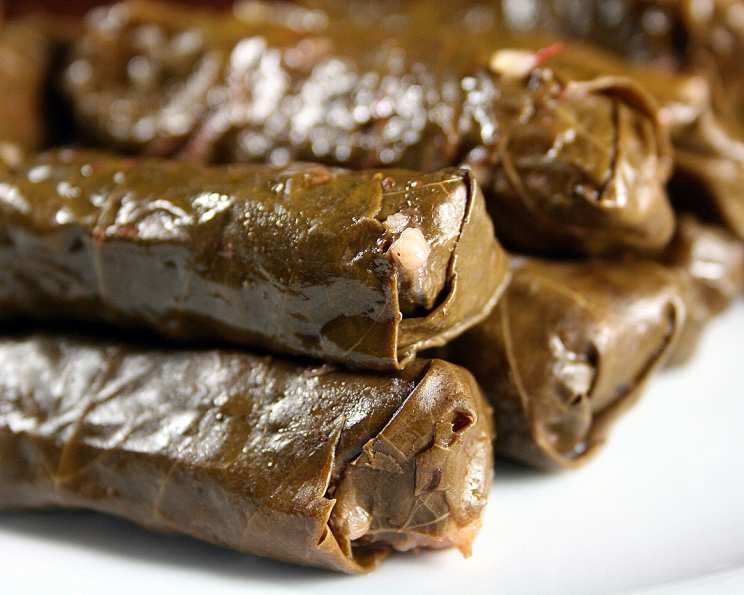
Dolmathakia: A Taste of Sun-Drenched Memories
The first time I tasted dolmathakia – those tiny, herbaceous parcels of rice and herbs wrapped in tender grape leaves – I was eight years old, sitting under the shade of a sprawling grapevine in my grandmother’s courtyard in Crete. The sun-drenched air hummed with the buzz of cicadas, and the scent of jasmine mingled with the faint, briny breeze from the Aegean. My grandmother, Yia Yia Eleni, meticulously rolled each leaf, her hands moving with the practiced grace of generations. It wasn’t just food; it was love, history, and the very essence of our family woven into each delicate bite.
Recipe Overview: Dolmathakia Stuffed Grape Leaves
- Prep Time: 30 minutes
- Cook Time: 20 minutes
- Total Time: 50 minutes
- Servings: 60
- Yield: 60 pieces
- Dietary Type: Vegetarian (easily Vegan)
Ingredients
- 50-60 grape leaves (fresh or packaged, blanched)
- ½ cup olive oil
- 4 green onions, finely chopped
- 1 cup long grain rice
- 2 tablespoons lemon juice (fresh squeezed)
- 2 tablespoons dill (finely chopped fresh)
- 2 tablespoons mint (finely chopped fresh)
- 2 tablespoons parsley (finely chopped fresh)
- 1-2 teaspoons sea salt
- ½ teaspoon fresh ground pepper
- ½ cup water
- ⅓ cup olive oil
- 3-4 cups water
Equipment Needed
- Large pot with a lid
- Colander
- Cutting board
- Sharp knife
- Medium saucepan
- Plate (to weigh down dolmathakia)
Instructions
- If using packaged grape leaves, they have already been blanched. Simply rinse them and set them in a colander to drain. If using fresh grape leaves, wash them well and soak in hot salted water for 5 minutes, then drain. This process tenderizes the leaves and removes any bitterness.
- Heat ½ cup of olive oil over medium heat in a medium saucepan. Add the 4 finely chopped green onions and sauté until they are soft and translucent, about 5-7 minutes. Be careful not to brown them.
- Add 1 cup of long grain rice to the saucepan. Stir to coat the rice with the olive oil and onions. This helps to toast the rice slightly and enhances its flavor.
- Add 2 tablespoons of fresh squeezed lemon juice, 2 tablespoons of finely chopped fresh dill, 2 tablespoons of finely chopped fresh mint, 2 tablespoons of finely chopped fresh parsley, 1-2 teaspoons of sea salt, and ½ teaspoon of fresh ground pepper. Stir well to combine all the ingredients.
- Add ½ cup of water to the rice mixture. Increase the heat and bring to a boil. Once boiling, reduce the heat to low, cover the saucepan, and simmer for 2 minutes. Then turn off the heat and let the filling sit, covered, for 5-10 minutes. This allows the rice to partially cook and absorb the flavors.
- While the rice mixture is resting, prepare your work surface. Place one teaspoon of filling at the stem end of a grape leaf and roll. The process is similar to rolling a burrito. Fold in the sides of the leaf, then roll from the stem end towards the tip. Continue until all the filling has been used. If any of the leaves are very small or torn, use two leaves for each roll, overlapping them slightly.
- Line the bottom of a large pot with any unused or broken grape leaves. This prevents the dolmathakia from sticking to the bottom of the pot and burning. Place the rolled dolmathakia, seam side down, in the pot in layers. Pack them tightly together to prevent them from unrolling during cooking.
- Add ⅓ cup of olive oil over the stuffed grape leaves. Then add 3-4 cups of water (or enough to reach the top of the rolls). The water should just cover the dolmathakia.
- Place a plate on top of the rolls to hold them securely while cooking. This prevents them from floating around and helps them cook evenly. Bring the pot to a full boil over high heat. Once boiling, reduce the heat to low, cover the pot, and cook for 20 minutes, or until only a small amount of sauce remains in the pot. The rice inside the dolmathakia should be tender and the grape leaves should be a deep olive green.
- Once cooked, remove from heat and let cool slightly before serving.
Expert Tips & Tricks
- Leaf Preparation: If using fresh grape leaves, choose young, tender leaves that are free from blemishes. Blanching them is essential to soften them and remove any bitterness.
- Rice Choice: Long grain rice is ideal because it holds its shape well during cooking. Avoid short grain rice, which can become mushy.
- Herb Ratio: Feel free to adjust the ratio of herbs to suit your personal preference. Experiment with adding other herbs such as oregano or thyme for a more complex flavor.
- Rolling Technique: Practice makes perfect! Don’t worry if your first few rolls are a little messy. The key is to keep the filling tightly packed and the roll secure.
- Don’t Overcook: Overcooking can cause the rice to become mushy and the grape leaves to fall apart. Check for doneness after 20 minutes and adjust cooking time accordingly.
- Vegan Option: Ensure the grape leaves themselves are not processed using any animal products. No other adjustments are needed.
Serving & Storage Suggestions
Dolmathakia are best served at room temperature or slightly chilled. They make a wonderful appetizer, side dish, or light meal. Garnish with a sprig of fresh dill or a drizzle of olive oil for an elegant presentation. Serve with a dollop of plain Greek yogurt (omit for vegan diets) or a squeeze of fresh lemon juice.
Leftover dolmathakia can be stored in an airtight container in the refrigerator for up to 5 days. They can also be frozen for longer storage. To reheat, simply microwave them for a minute or two, or gently warm them in a saucepan over low heat. Reheating in the oven can dry them out.
Nutritional Information
| Nutrient | Amount per Serving | % Daily Value |
|---|---|---|
| Calories | 41 kcal | 2% |
| Total Fat | 3.1g | 4% |
| Saturated Fat | 0.4g | 2% |
| Cholesterol | 0mg | 0% |
| Sodium | 134.7mg | 6% |
| Total Carbohydrate | 3g | 1% |
| Dietary Fiber | 0.1g | 0% |
| Sugars | 0g | 0% |
| Protein | 0.4g | 0% |
Nutritional information is an estimate and may vary based on specific ingredients and preparation methods.
Variations & Substitutions
- Meat Dolmathakia: Add ground lamb or beef to the rice filling for a heartier dish. Brown the meat before adding it to the rice mixture.
- Vegetarian/Vegan Variations: Experiment with different types of rice, such as brown rice or wild rice. Add chopped vegetables like zucchini, carrots, or bell peppers to the filling.
- Lemon-Herb Infusion: Steep lemon zest and fresh herbs in the water used for cooking the dolmathakia to infuse them with extra flavor.
- Regional Variations: Different regions of Greece have their own unique versions of dolmathakia. Explore recipes from different regions to discover new flavors and techniques.
FAQs (Frequently Asked Questions)
Q: Can I use jarred grape leaves instead of fresh?
A: Yes, jarred grape leaves are a convenient option. Just rinse them thoroughly before using to remove any excess brine.
Q: How do I prevent the dolmathakia from sticking to the pot?
A: Lining the bottom of the pot with unused or broken grape leaves creates a protective layer that prevents sticking.
Q: Can I make dolmathakia ahead of time?
A: Absolutely! You can prepare the dolmathakia a day or two in advance and store them in the refrigerator until ready to cook.
Q: What if I don’t have fresh herbs?
A: While fresh herbs provide the best flavor, you can use dried herbs in a pinch. Use about 1 teaspoon of dried herbs for every tablespoon of fresh herbs.
Q: Are Dolmathakia served hot or cold?
A: Dolmathakia are typically served at room temperature, or even chilled. This allows the flavors to meld together beautifully.
Final Thoughts
Creating dolmathakia is a labor of love, a culinary journey that connects us to generations past. While the process may seem a little time-consuming, the result is a truly special dish that is bursting with flavor and history. Gather your ingredients, put on some music, and immerse yourself in the art of rolling these little bites of heaven. Share them with your loved ones, and let the taste of sun-drenched memories fill your heart. And don’t be afraid to experiment and make this recipe your own – Yia Yia Eleni would have loved that. Kali Orexi!