
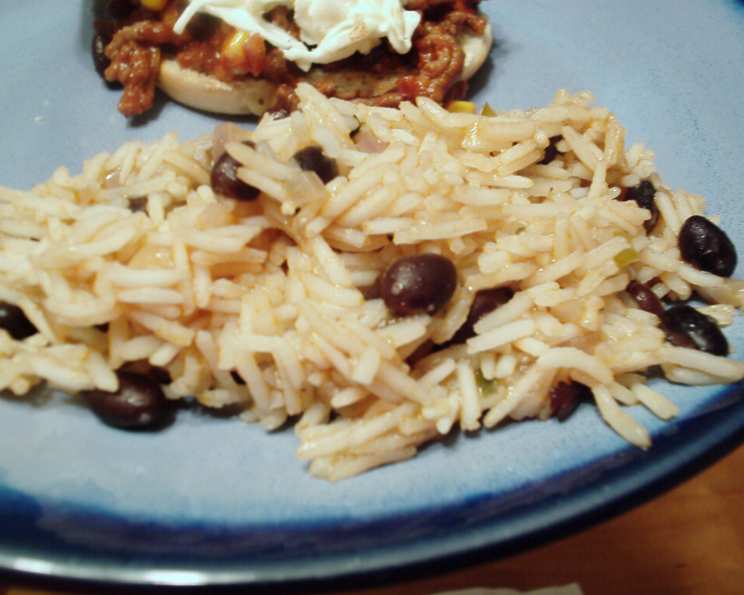
Dominican Moro De Habichuelas Negras: A Taste of Home
The aroma of moro de habichuelas negras instantly transports me back to my grandmother’s kitchen in Santo Domingo. I remember standing on a stool, barely tall enough to see over the counter, watching her expertly maneuver around the stove. The rhythmic clanging of pots, the sizzle of sofrito, and the comforting scent of simmering beans – these are the sounds and smells of my childhood, a symphony of Dominican home cooking that I carry with me always. Every grain of rice, infused with the earthy flavor of black beans and the vibrant spices, tells a story of family, tradition, and the simple joy of sharing a delicious meal.
Recipe Overview
- Prep Time: 10 minutes
- Cook Time: 40 minutes
- Total Time: 50 minutes
- Servings: 5
- Yield: About 6 cups
- Dietary Type: Gluten-Free
Ingredients
- 2 cups rice
- 4 cups water
- 1 cup cooked black beans
- 3 tablespoons vegetable oil
- 1 tablespoon tomato paste
- ¼ cup green bell pepper, finely chopped
- ½ medium red onion, chopped
- ½ teaspoon dried oregano
- 2 fresh garlic cloves, mashed (or pressed)
- 1 sprig fresh coriander (with stem)
- 1 teaspoon fresh parsley, finely chopped
- 1 vegetable stock cube
- 1 teaspoon salt
Equipment Needed
- Large pot with lid
Instructions
-
Begin by heating the vegetable oil in a large pot over medium heat. Once the oil is shimmering, add the mashed garlic, chopped red onion, dried oregano, chopped green bell pepper, chopped parsley, and salt. This is your sofrito base, and it’s crucial to building flavor.
-
Sauté the vegetables for about a minute, stirring frequently, until the onions become translucent and fragrant. Be careful not to burn the garlic, as this will impart a bitter taste.
-
Add the vegetable stock cube to the pot and stir until it dissolves completely. This will add depth and umami to the dish.
-
Next, add the tomato paste and stir it into the vegetable mixture until it’s thoroughly heated. This step helps to intensify the tomato flavor and create a richer color.
-
Incorporate the cooked black beans into the pot, stirring them well with the sofrito base. Heat for about a minute, stirring constantly to prevent sticking or burning.
-
Increase the heat to high and carefully add 1 cup of water to the pot. Allow the mixture to simmer.
-
Once the water starts to simmer, add the rice, stir well, and then add the remaining 3 cups of water. This ensures the rice cooks evenly.
-
At this point, it’s important to test the seasoning. The water should be slightly saltier than you would prefer, as the rice and beans will absorb a significant amount of salt during the cooking process. Adjust the salt accordingly.
-
Bring the mixture to a boil. As soon as it reaches a boil, reduce the heat to the lowest possible setting and cover the pot tightly with a lid.
-
After 15 minutes, carefully remove the lid. Most of the water should have been absorbed by this point.
-
Gently nestle the whole sprig of fresh coriander into the rice. This infuses the moro with a subtle, aromatic flavor.
-
Using a fork, gently stir everything from the bottom of the pot to the top, ensuring the rice and beans are evenly distributed. This prevents the rice from sticking to the bottom and promotes even cooking.
-
Cover the pot again and let it cook for another 10-15 minutes, or until all the water has been absorbed and the rice is tender.
Expert Tips & Tricks
- Soaking the Rice: Soaking the rice for 30 minutes before cooking can help it cook more evenly and result in a fluffier texture. Drain the rice well before adding it to the pot.
- Bean Broth Boost: When cooking your own beans, use the leftover cooking liquid in place of some of the water for an extra boost of flavor and nutrients.
- Toasting the Rice: Before adding the water, try toasting the rice in the oil and sofrito for a minute or two. This can add a nutty flavor to the finished dish.
- Don’t Peek!: Resist the urge to lift the lid frequently during cooking. Each time you lift the lid, you release steam, which can affect the cooking time and texture of the rice.
- Fluff with a Fork: After the rice is cooked, fluff it gently with a fork to separate the grains and prevent it from clumping together.
Serving & Storage Suggestions
Moro de habichuelas negras is a versatile dish that can be served as a main course or a side dish. It pairs beautifully with grilled chicken, roasted pork, or fried plantains. For a complete Dominican meal, serve it with a side of ensalada verde (green salad) and tostones (fried green plantains).
Leftovers can be stored in an airtight container in the refrigerator for up to 3 days. To reheat, simply microwave until heated through, or reheat in a saucepan over low heat, adding a splash of water if necessary to prevent sticking. Moro de habichuelas negras also freezes well for up to 2 months. Thaw overnight in the refrigerator before reheating.
Nutritional Information
| Nutrient | Amount per Serving | % Daily Value |
|---|---|---|
| Calories | 409.4 kcal | N/A |
| Calories from Fat | 79 g | 19% |
| Total Fat | 8.9 g | 13% |
| Saturated Fat | 1.2 g | 6% |
| Cholesterol | 0 mg | 0% |
| Sodium | 496.5 mg | 20% |
| Total Carbohydrate | 72.6 g | 24% |
| Dietary Fiber | 4.6 g | 18% |
| Sugars | 1.1 g | 4% |
| Protein | 8.6 g | 17% |
Variations & Substitutions
- Red Beans: Substitute red kidney beans for black beans to make moro de habichuelas rojas.
- Coconut Milk: For a richer flavor, substitute some of the water with coconut milk.
- Vegetarian/Vegan: This recipe is already vegetarian and vegan-friendly.
- Spicy Moro: Add a chopped habanero pepper (use caution!) or a pinch of cayenne pepper to the sofrito for a spicy kick.
- Long Grain vs Short Grain Rice: While long-grain rice is commonly used, feel free to experiment with short-grain rice for a stickier texture.
- Cilantro Variation: If you’re not a fan of cilantro, feel free to omit it or substitute it with more parsley.
FAQs (Frequently Asked Questions)
Q: Can I use canned beans instead of cooking my own?
A: Yes, you can use canned beans for convenience. Be sure to rinse and drain them thoroughly before adding them to the pot. However, freshly cooked beans will always yield a better flavor.
Q: How do I prevent the rice from sticking to the bottom of the pot?
A: Using a heavy-bottomed pot and ensuring the heat is on the lowest setting after bringing the mixture to a boil will help prevent sticking. Also, avoid lifting the lid too frequently.
Q: Can I make this in a rice cooker?
A: Yes, you can adapt this recipe for a rice cooker. Follow the same steps for making the sofrito in a separate pan, then transfer it to the rice cooker along with the rice, beans, and water. Cook according to your rice cooker’s instructions.
Q: What if my rice is still too wet after the recommended cooking time?
A: Remove the lid and continue cooking over low heat, stirring occasionally, until the excess water has evaporated.
Q: Can I add other vegetables to this dish?
A: Absolutely! Feel free to add other vegetables like corn, carrots, or diced potatoes to the sofrito for added flavor and nutrition.
Final Thoughts
Moro de habichuelas negras is more than just a dish; it’s a celebration of Dominican culture and a taste of home. I hope this recipe inspires you to try your hand at this classic dish and share it with your loved ones. Don’t be afraid to experiment with different variations and make it your own. And please, let me know what you think! I’d love to hear about your experience cooking this delicious and comforting meal. Pair it with some juicy pernil and you’ll be transported to the heart of the Dominican Republic!