
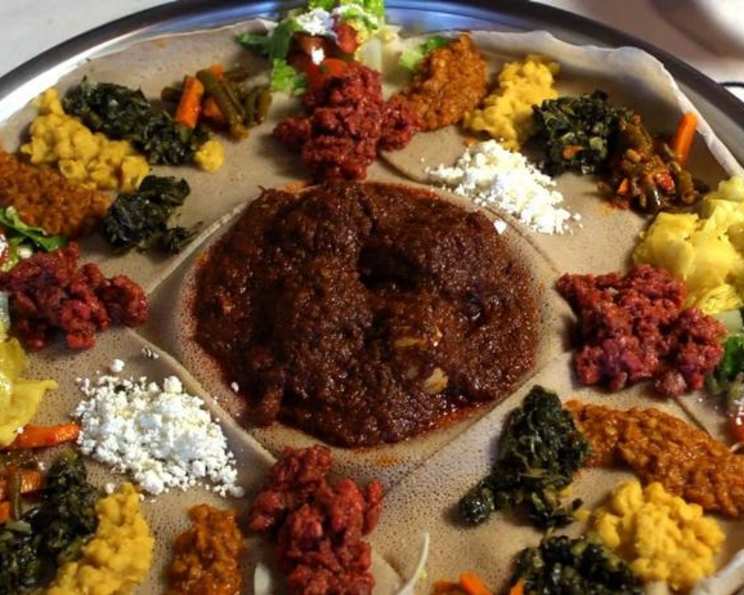
Doro Wot: A Taste of Ethiopia in Your Kitchen
The first time I experienced Doro Wot, it wasn’t in a restaurant, but in a small, bustling kitchen overflowing with the aroma of spiced butter and slow-cooked onions. My Ethiopian friend’s grandmother, with a twinkle in her eye and hands stained turmeric yellow, presided over the simmering pot, a legacy of generations captured in that single, profound dish. The rich, savory stew, served alongside tangy injera, transcended mere sustenance; it was a story woven from history, family, and the vibrant heart of Ethiopian culture, a culinary memory I cherish to this day.
Recipe Overview
- Prep Time: 30 minutes
- Cook Time: 2 hours 15 minutes
- Total Time: 2 hours 45 minutes
- Servings: 6
- Dietary Type: Varies depending on Niter Kibbeh – see notes
Ingredients
- 2 lbs skinless chicken legs
- Lemon juice
- 2 large red onions, finely chopped
- 1 1⁄2 cups berbere (Ethiopian spice mixture)
- 1 cup Niter Kibbeh: Ethiopian Spiced Butter (recipe follows, or use ghee for a dairy-free option if you can find one already spiced similarly)
- 1⁄2 cup fresh garlic, finely ground
- 1⁄2 cup fresh ginger, finely ground
- 6 hard-boiled eggs, peeled
- Salt to taste
- Injera (Fermented Sourdough Bread), for serving
Niter Kibbeh Ingredients (Ethiopian Spiced Butter – makes approximately 1 cup):
- 1 lb unsalted butter (substitute with coconut oil for a dairy-free version – the flavor profile will change but still be delicious)
- 1 small onion, chopped
- 4 cloves garlic, minced
- 1 inch ginger, peeled and grated
- 1 teaspoon turmeric powder
- 1 teaspoon cumin seeds
- 1 teaspoon coriander seeds
- 1/2 teaspoon black peppercorns
- 1/4 teaspoon cardamom seeds
- 2 bay leaves
- 1 sprig fresh rosemary
- 1 sprig fresh thyme
Equipment Needed
- Large pot or Dutch oven
- Large bowl
- Cutting board
- Knife
- Garlic press or microplane
- Grater
- Measuring cups and spoons
Instructions
- Begin by preparing the Niter Kibbeh. If using pre-made ghee or spiced ghee, skip to step 8. In a medium saucepan, melt the butter over low heat. Add the chopped onion, minced garlic, grated ginger, turmeric powder, cumin seeds, coriander seeds, black peppercorns, cardamom seeds, bay leaves, rosemary, and thyme.
- Simmer the mixture over the lowest heat for approximately 45 minutes to 1 hour, or until the milk solids in the butter have settled at the bottom of the pan and turned a golden-brown color. The butter should have a clear, golden appearance and a nutty aroma. Be careful not to burn the milk solids.
- Remove from heat and let cool slightly. Strain the Niter Kibbeh through a fine-mesh sieve lined with cheesecloth into a clean jar or container, discarding the solids. The Niter Kibbeh will solidify as it cools. Set aside.
- Now, wash the chicken legs thoroughly. Place them in a large bowl filled with cold water. Squeeze the lemon juice into the water, ensuring all the chicken pieces are submerged. Let the chicken soak for 30 minutes. This step helps to remove any lingering bacteria and tenderizes the meat.
- While the chicken soaks, focus on the base of the Doro Wot. In a large pot or Dutch oven, begin to caramelize the finely chopped red onions over low heat. This is a crucial step, requiring patience. Stir frequently to prevent burning. The goal is to achieve a deep, rich brown color and a naturally sweet flavor. This process should take approximately 1 hour.
- Once the onions are deeply caramelized, add the berbere, Niter Kibbeh, freshly ground garlic, and freshly ground ginger to the pot. Stir well to combine. Cook this aromatic mixture over medium-low heat for 30 minutes, allowing the flavors to meld and deepen. The berbere can be quite potent, so adjust the heat as needed to prevent burning.
- After the berbere mixture has cooked for 30 minutes, drain the chicken and add it to the pot. Stir to coat the chicken pieces evenly with the spicy sauce.
- Cook the chicken on medium-low heat for 30 to 45 minutes, stirring occasionally to prevent sticking. The chicken should be cooked through and tender. Ensure an internal temperature of 165°F (74°C) is reached.
- Gently add the peeled hard-boiled eggs to the pot. Be careful not to break them. Season the Doro Wot with salt to taste.
- Simmer the Doro Wot on low heat for an additional 10 minutes, allowing the flavors to further combine and infuse the eggs.
- Serve the Doro Wot hot, spooned generously over injera.
Expert Tips & Tricks
- Caramelizing the Onions: This is arguably the most important step. Low and slow is key. Don’t rush it! A touch of salt at the beginning can help draw out moisture and speed up the process slightly.
- Berbere Quality: The quality of your berbere spice mix significantly impacts the flavor of the Doro Wot. If possible, source it from an Ethiopian grocer or a reputable spice vendor. If you’re feeling adventurous, you can even make your own blend.
- Adjusting the Heat: Berbere can vary greatly in its level of spiciness. Start with a smaller amount and add more to taste as you cook. If you’re sensitive to spice, consider using a milder berbere blend or adding a touch of tomato paste to balance the heat.
- Egg Preparation: Score the hard-boiled eggs lightly before adding them to the stew. This allows them to absorb more of the flavorful sauce and prevents them from bursting during simmering.
Serving & Storage Suggestions
Doro Wot is traditionally served with injera, the spongy, slightly sour fermented flatbread that acts as both plate and utensil. To serve, tear off pieces of injera and use them to scoop up the chicken, eggs, and flavorful sauce.
Leftover Doro Wot can be stored in an airtight container in the refrigerator for up to 3-4 days. It can also be frozen for up to 2-3 months. To reheat, gently warm the Doro Wot on the stovetop over low heat, stirring occasionally. You may need to add a splash of water or broth to prevent it from drying out. Reheating in the microwave is also an option, but the stovetop method is preferred for maintaining the best texture and flavor.
Nutritional Information
Note: Nutritional information is an estimate and will vary based on specific ingredients and portion sizes.
| Nutrient | Amount per Serving | % Daily Value |
|---|---|---|
| Calories | 450 kcal | 23% |
| Total Fat | 25g | 38% |
| Saturated Fat | 15g | 75% |
| Cholesterol | 200mg | 67% |
| Sodium | 500mg | 22% |
| Total Carbohydrate | 15g | 5% |
| Dietary Fiber | 3g | 12% |
| Sugars | 5g | – |
| Protein | 35g | 70% |
Variations & Substitutions
- Vegetarian Doro Wot: Substitute the chicken with firm tofu or lentils for a vegetarian option. Increase the cooking time slightly for the lentils to ensure they are tender.
- Dairy-Free: Use coconut oil instead of butter for the Niter Kibbeh and ensure your berbere blend is dairy-free.
- Spicier Doro Wot: Add extra berbere, cayenne pepper, or ground chili flakes to the sauce for a more intense heat.
- Sweeter Doro Wot: A touch of honey or agave nectar can balance the spiciness of the berbere.
- Berbere Substitute: If you can’t find berbere, you can create a close approximation by blending paprika, cayenne pepper, garlic powder, ginger powder, coriander, cumin, and allspice.
FAQs (Frequently Asked Questions)
Q: Can I make Doro Wot ahead of time?
A: Absolutely! In fact, Doro Wot often tastes even better the next day as the flavors have had more time to meld together. Prepare it a day or two in advance and store it in the refrigerator.
Q: Where can I find berbere spice?
A: Look for berbere at Ethiopian grocery stores, spice shops, or online retailers. If unavailable, a homemade blend (see Variations & Substitutions) can be a substitute.
Q: How do I know when the onions are properly caramelized?
A: The onions should be a deep, rich brown color and have a sweet, almost jam-like consistency. Patience is key – it’s a slow process!
Q: Can I use chicken thighs instead of chicken legs?
A: Yes, chicken thighs are a perfectly acceptable substitute. They are also flavorful and will become tender during the long cooking process.
Q: Is Doro Wot always served with hard-boiled eggs?
A: While hard-boiled eggs are traditional, some variations may omit them. Feel free to adjust to your preference, but they add a lovely richness to the dish.
Final Thoughts
Doro Wot is more than just a recipe; it’s an invitation to explore the rich and vibrant culinary traditions of Ethiopia. Don’t be intimidated by the ingredient list or the cooking time – the result is a deeply flavorful and satisfying dish that’s well worth the effort. Gather your ingredients, embrace the process, and prepare to be transported to the heart of Ethiopian cuisine. Share your creation with friends and family, and don’t hesitate to experiment and adapt the recipe to your own taste. Enjoy!