
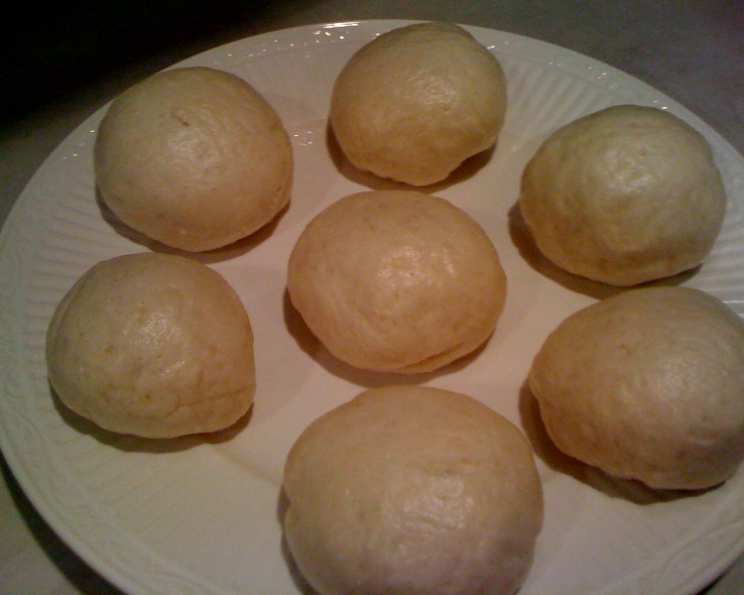
Dousha Bao: Steamed Red Bean Buns – A Taste of Warmth
The memory floods back every time: a blustery winter day in Seoul, the steam curling from a street vendor’s cart, and the sweet, comforting aroma of warm red bean buns filling the air. My mittens-clad hands eagerly clutched the soft, pillowy bun as I savored the first bite. The slightly sweet dough, the smooth, earthy red bean paste – a perfect antidote to the biting cold. Each bite was a miniature hug, a moment of pure, unadulterated joy. That simple bun sparked a lifelong love affair with Asian steamed buns, and this recipe, while perhaps a touch less rustic than my favorite street vendor’s, is my attempt to recreate that magic at home.
Recipe Overview
- Prep Time: 45 minutes
- Cook Time: 15 minutes
- Total Time: **1 hour
- Servings: 12
- Yield: 12 buns
- Dietary Type: Vegetarian
Ingredients
- 3 cups unbleached flour (for color)
- 1 ½ teaspoons instant yeast
- ¼ cup sugar
- ½ cup milk (or more, depending on dough consistency)
- ½ cup lukewarm water
- 1 tablespoon butter
- ½ teaspoon baking powder
- 6 ounces red bean paste (AKA Adzuki paste or Paht, about 1/2 can)
Equipment Needed
- Large mixing bowl
- Plastic wrap
- Steamer
- Parchment paper or wax paper
Instructions
-
First, prepare your red bean paste by setting it aside in a bowl. This makes it easily accessible when it’s time to fill the buns.
-
In a large bowl, combine all the ingredients except the instant yeast and lukewarm water. This includes the flour, sugar, milk, butter, and baking powder.
-
In a separate small bowl, vigorously mix the instant yeast and lukewarm water together. This activates the yeast and ensures proper dough rising.
-
Pour the yeast mixture into the bowl with the other ingredients.
-
Mix and knead the dough. The dough should come together well and be pliable. If the dough seems too dry, add more milk a little at a time until it reaches the desired consistency. Knead the dough by hand for 10-12 minutes, or if using a stand mixer, knead with the dough hook for about half that time. The dough is ready when it’s smooth and elastic.
-
Form the dough into a round shape and place it in a clean bowl. Cover the bowl tightly with plastic wrap.
-
Let the dough rise in a warm place for 1 hour, or until it has doubled in size. This allows the yeast to work its magic and create a light, airy bun.
-
After the dough has risen, gently deflate it. Divide the dough into approximately 12 equal pieces. You can adjust the size depending on your preferences and the size of your steamer.
-
Let the dough pieces rest for a couple of minutes before flattening them into round shapes, ready to be filled. This allows the gluten to relax, making them easier to work with.
-
Place about 1 tablespoon of red bean paste filling in the center of each flattened dough circle.
-
Bring up the edges of the dough and pinch them together at the top, twisting to seal the filling inside. Ensure the seal is tight to prevent the filling from leaking out during steaming.
-
Place each bun, knot-side down, on a small square of parchment paper or wax paper. This prevents the buns from sticking to the steamer basket. Arrange the buns inside your steamer, leaving some space between them to allow for expansion.
-
Bring water to a boil in the bottom of your steamer. Once boiling, carefully place the steamer basket with the buns over the boiling water.
-
Steam the buns for about 15 minutes. The buns are done when they turn white and appear slightly shiny on the outside.
-
Remove the steamed buns from the steamer and serve immediately. Enjoy the warm, soft texture and sweet red bean filling.
Expert Tips & Tricks
- Dough Consistency is Key: Achieving the right dough consistency is crucial for soft, fluffy buns. Don’t be afraid to adjust the amount of milk to get a dough that is pliable and slightly sticky.
- Preventing Sticky Buns: Lining the steamer basket with parchment paper or wax paper is essential to prevent the buns from sticking. You can also lightly grease the parchment paper for extra insurance.
- Steaming Time: The steaming time may vary slightly depending on the size of your steamer and the intensity of the heat. Check for doneness by gently pressing on the buns; they should spring back lightly.
- Don’t Overcrowd the Steamer: Overcrowding the steamer basket can result in unevenly cooked buns. Ensure there’s enough space between the buns for the steam to circulate freely.
- Proofing Environment: A warm, humid environment is ideal for proofing the dough. If your kitchen is cold, you can place the bowl in a slightly warmed oven (turned off) or near a warm stove.
Serving & Storage Suggestions
Dousha Bao are best served warm and fresh from the steamer. Their soft texture and sweet filling make them a delightful treat any time of day. Serve them as a snack, a light dessert, or even as part of a dim sum spread.
Leftover steamed buns can be stored in an airtight container at room temperature for up to 2 days. For longer storage, refrigerate them for up to a week or freeze them for up to a month.
To reheat, steam the buns for a few minutes until warmed through. You can also microwave them for a short time, but be careful not to overcook them, as they can become tough. Sprinkling a little water on the bun before microwaving helps retain moisture.
Nutritional Information
| Nutrient | Amount per Serving | % Daily Value |
|---|---|---|
| Calories | 146.4 kcal | N/A |
| Calories from Fat | N/A | N/A |
| Total Fat | 1.7 g | 2% |
| Saturated Fat | 0.9 g | 4% |
| Cholesterol | 4 mg | 1% |
| Sodium | 28 mg | 1% |
| Total Carbohydrate | 28.7 g | 9% |
| Dietary Fiber | 0.9 g | 3% |
| Sugars | 4.2 g | N/A |
| Protein | 3.8 g | 7% |
Note: Nutritional information is an estimate and may vary based on specific ingredients and portion sizes.
Variations & Substitutions
- Gluten-Free: Substitute the unbleached flour with a gluten-free all-purpose flour blend. You may need to adjust the liquid content to achieve the right dough consistency.
- Dairy-Free: Use a plant-based milk alternative such as almond milk, soy milk, or oat milk in place of cow’s milk. Ensure the butter is also substituted with a plant-based alternative or cooking oil.
- Sweetness Level: Adjust the amount of sugar to your liking. If you prefer a less sweet bun, reduce the sugar to 2 tablespoons.
- Filling Alternatives: Experiment with different fillings such as lotus seed paste, custard, or even savory fillings like barbecue pork.
- Flavor Infusions: Add a touch of vanilla extract or almond extract to the dough for a subtle flavor enhancement.
FAQs (Frequently Asked Questions)
Q: Why are my steamed buns turning out hard?
A: Over-kneading the dough or overcooking the buns can lead to a tough texture. Ensure you knead the dough until it’s just smooth and elastic, and steam the buns for the recommended time.
Q: Can I make the dough ahead of time?
A: Yes, you can prepare the dough ahead of time. After the first rise, punch down the dough, wrap it tightly in plastic wrap, and refrigerate it for up to 24 hours. Allow the dough to come to room temperature before shaping and steaming.
Q: How do I prevent the buns from sticking to the steamer?
A: Always line the steamer basket with parchment paper or wax paper to prevent the buns from sticking. You can also lightly grease the paper for extra protection.
Q: Can I use a metal steamer instead of a bamboo steamer?
A: Yes, you can use a metal steamer. Just ensure the lid fits tightly to trap the steam and that the buns are elevated above the water level.
Q: What if I don’t have red bean paste?
A: While red bean paste is the traditional filling, you can substitute it with other fillings that you enjoy, such as chocolate, custard, or even savory meat fillings.
Final Thoughts
I hope this recipe inspires you to create your own batch of warm, comforting Dousha Bao at home. Don’t be intimidated by the steaming process; it’s simpler than it seems. Feel free to experiment with different fillings and flavor combinations to create your own unique version. Share your creations with friends and family, and let the sweet aroma of these buns fill your home with warmth and happiness. And if you happen to find a street vendor in Seoul with buns that are just perfect, please let me know! I’m always on the lookout for the next great Dousha Bao adventure.