
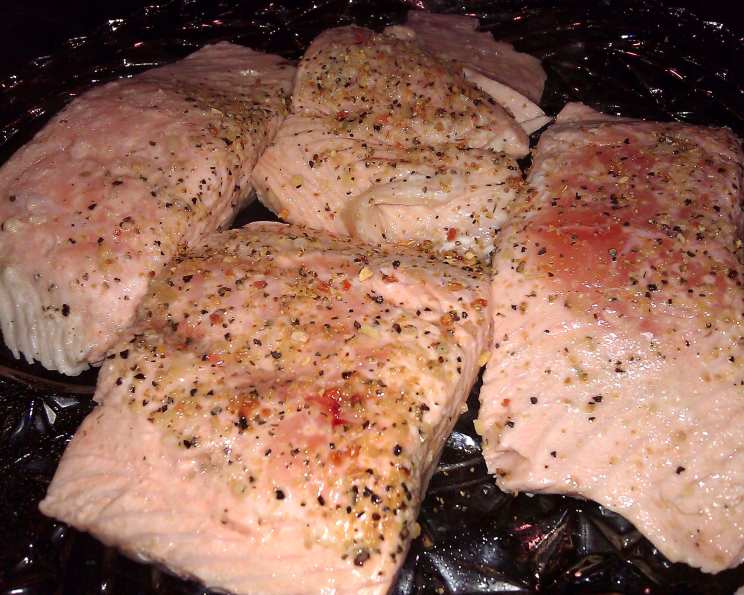
Dr. Andrew Weil’s Easy Poached Salmon: A Culinary Journey to Simple Perfection
My grandmother, Nana Rose, wasn’t much of a cook, but she had a few dishes in her repertoire that were legendary in our family. One of those was her “company salmon,” always prepared when guests arrived. It wasn’t fancy – usually just a slab of salmon baked with lemon and dill – but it was always perfectly cooked and unbelievably moist. Dr. Weil’s Easy Poached Salmon recipe reminds me of Nana’s salmon; it’s straightforward, relies on quality ingredients, and consistently delivers a succulent, flavorful result. It proves that sometimes, the simplest methods truly yield the most satisfying meals.
Recipe Overview
- Prep Time: 15 minutes
- Cook Time: 15 minutes
- Total Time: 30 minutes
- Servings: 4
- Dietary Type: Dairy-Free, Gluten-Free
Ingredients
- 4 salmon fillets (6 ounces per person)
- 1 carrot, sliced
- 1 small onion, sliced
- 1 celery stalk, sliced
- 2 lemon slices
- 3 sprigs parsley
- 6 bay leaves (Turkish bay leaves preferred; use half if California bay leaves)
- Salt, to taste
- 1 cup dry white wine
- ½ lemon, juiced
Equipment Needed
- Large saucepan or pot
- Serving platter
Instructions
-
Begin by preparing your poaching liquid base. In a large saucepan or pot, arrange the sliced carrot, sliced onion, and sliced celery stalk in a single layer. These vegetables will infuse the salmon with subtle sweetness and aromatic depth.
-
Nestle the lemon slices, parsley sprigs, and bay leaves among the vegetables. If using California bay leaves, known for their potent flavor, use only half of a large leaf to avoid overpowering the salmon.
-
Gently place the salmon fillets on top of the vegetable and herb base. It’s important that the fillets are arranged in a way that allows them to cook evenly.
-
Add cold water to the pot, ensuring that the salmon is completely submerged. The cold water helps to regulate the cooking process and prevent the salmon from drying out. Season with salt to taste.
-
Pour in the dry white wine and the juice of ½ lemon. The wine adds a layer of complexity to the poaching liquid, while the lemon juice provides a bright, acidic counterpoint that complements the richness of the salmon.
-
Bring the pot to a boil over medium-high heat, leaving it uncovered. Once it reaches a boil, immediately reduce the heat to a gentle simmer.
-
Simmer the salmon for 5 minutes. Keep a close eye on the salmon during this stage, as overcooking will result in dry, less flavorful fish.
-
Turn off the heat and, without stirring or disturbing the salmon, allow it to rest in the hot poaching liquid for 10 minutes. This residual cooking time is crucial for ensuring that the salmon is perfectly cooked through and remains incredibly moist.
-
Carefully remove the salmon fillets from the pot using a slotted spatula and transfer them to a serving platter. Be gentle to avoid breaking the delicate fillets.
-
Discard the poached vegetables. Although the vegetables may look appetizing, they have given much of their flavor to the poaching liquid, and their texture will not be as palatable.
-
Serve the poached salmon hot or cold, as desired.
Expert Tips & Tricks
- Don’t Overcrowd the Pan: Ensure the salmon fillets fit comfortably in the saucepan without overcrowding. Overcrowding can lower the water temperature and lead to uneven cooking. Use a larger pan if necessary.
- Use a Thermometer: For guaranteed doneness, use a meat thermometer. The internal temperature of the salmon should reach 145°F (63°C).
- Enhance the Flavor: For an extra layer of flavor, consider adding a splash of dry vermouth or a few peppercorns to the poaching liquid.
- Save the Broth: Don’t discard the poaching liquid! Strain it and use it as a base for a light seafood soup or risotto.
- Skin On or Off?: You can poach the salmon with the skin on or off. If poaching with the skin on, it will be easier to remove after cooking.
- Quality of Salmon: Select high-quality, fresh salmon fillets for the best flavor and texture. Look for firm, vibrant flesh without any fishy odor.
Serving & Storage Suggestions
Dr. Weil’s Easy Poached Salmon can be served hot, warm, or cold. For a simple yet elegant presentation, arrange the salmon fillets on a platter and garnish with fresh dill sprigs and lemon wedges. Serve with a side of steamed asparagus, quinoa, or a light green salad.
Leftover poached salmon can be stored in an airtight container in the refrigerator for up to 2 days. To reheat, gently warm the salmon in a low-temperature oven or microwave. Alternatively, enjoy it cold in salads or sandwiches.
Do not leave the salmon at room temperature for more than 2 hours.
Nutritional Information
| Nutrient | Amount per Serving | % Daily Value |
|---|---|---|
| Calories | 470.6 kcal | N/A |
| Calories from Fat | 126 g | 27% |
| Total Fat | 14.1 g | 21% |
| Saturated Fat | 2.6 g | 13% |
| Cholesterol | 146.3 mg | 48% |
| Sodium | 261.3 mg | 10% |
| Total Carbohydrate | 6 g | 2% |
| Dietary Fiber | 1.2 g | 4% |
| Sugars | 2.5 g | N/A |
| Protein | 65.8 g | 131% |
Note: Percent Daily Values are based on a 2,000 calorie diet. Nutritional information is an estimate and can vary based on specific ingredients and portion sizes.
Variations & Substitutions
- Herbed Salmon: Experiment with different herbs in the poaching liquid. Thyme, rosemary, or tarragon would be excellent additions.
- Spicy Salmon: Add a pinch of red pepper flakes or a thinly sliced chili to the poaching liquid for a touch of heat.
- Citrus Infusion: Use different citrus fruits, such as oranges or grapefruit, instead of lemon for a unique flavor profile.
- Vegetable Medley: Incorporate other vegetables into the poaching liquid, such as fennel, leeks, or mushrooms.
- Wine-Free Version: Replace the dry white wine with vegetable broth or chicken broth for an alcohol-free alternative.
FAQs (Frequently Asked Questions)
Q: Can I use frozen salmon fillets for this recipe?
A: Yes, you can use frozen salmon fillets, but be sure to thaw them completely before poaching. Pat them dry with paper towels to remove any excess moisture.
Q: How do I know when the salmon is cooked through?
A: The salmon is cooked through when it flakes easily with a fork and is opaque throughout. Use a meat thermometer to ensure it reaches an internal temperature of 145°F (63°C).
Q: Can I use different types of fish for this recipe?
A: While this recipe is specifically designed for salmon, you can use other types of fish, such as cod, halibut, or sea bass. Adjust the cooking time accordingly.
Q: Can I make this recipe ahead of time?
A: Yes, you can poach the salmon ahead of time and store it in the refrigerator for up to 2 days. Allow it to cool completely before storing.
Q: What’s the best way to prevent the salmon from drying out?
A: The key to preventing the salmon from drying out is to avoid overcooking it. Follow the recommended cooking time and allow it to rest in the poaching liquid after turning off the heat.
Final Thoughts
Dr. Andrew Weil’s Easy Poached Salmon is a testament to the power of simplicity. With just a handful of fresh ingredients and a straightforward technique, you can create a healthy and flavorful dish that’s perfect for a weeknight meal or a special occasion. Don’t be afraid to experiment with different herbs, spices, and vegetables to customize the recipe to your liking. I encourage you to try this recipe and experience the joy of perfectly poached salmon. Serve it with a crisp Sauvignon Blanc and some crusty bread to soak up the delicious poaching liquid, and let me know how it turns out!